Afreximbank is seeking to help Angolan companies move beyond service contracts and into ownership of oil and gas assets, with financing gaps and project bankability emerging as key barriers to building a new generation of African energy champions.
Afreximbank Pushes Angola’s Oil and Gas Sector Towards Local Ownership
CAIRO, Egypt -The African Export-Import Bank (Afreximbank) is stepping up efforts to increase local ownership in Angola’s oil and gas industry, with financing, project bankability and execution capacity identified as some of the biggest obstacles facing indigenous companies.
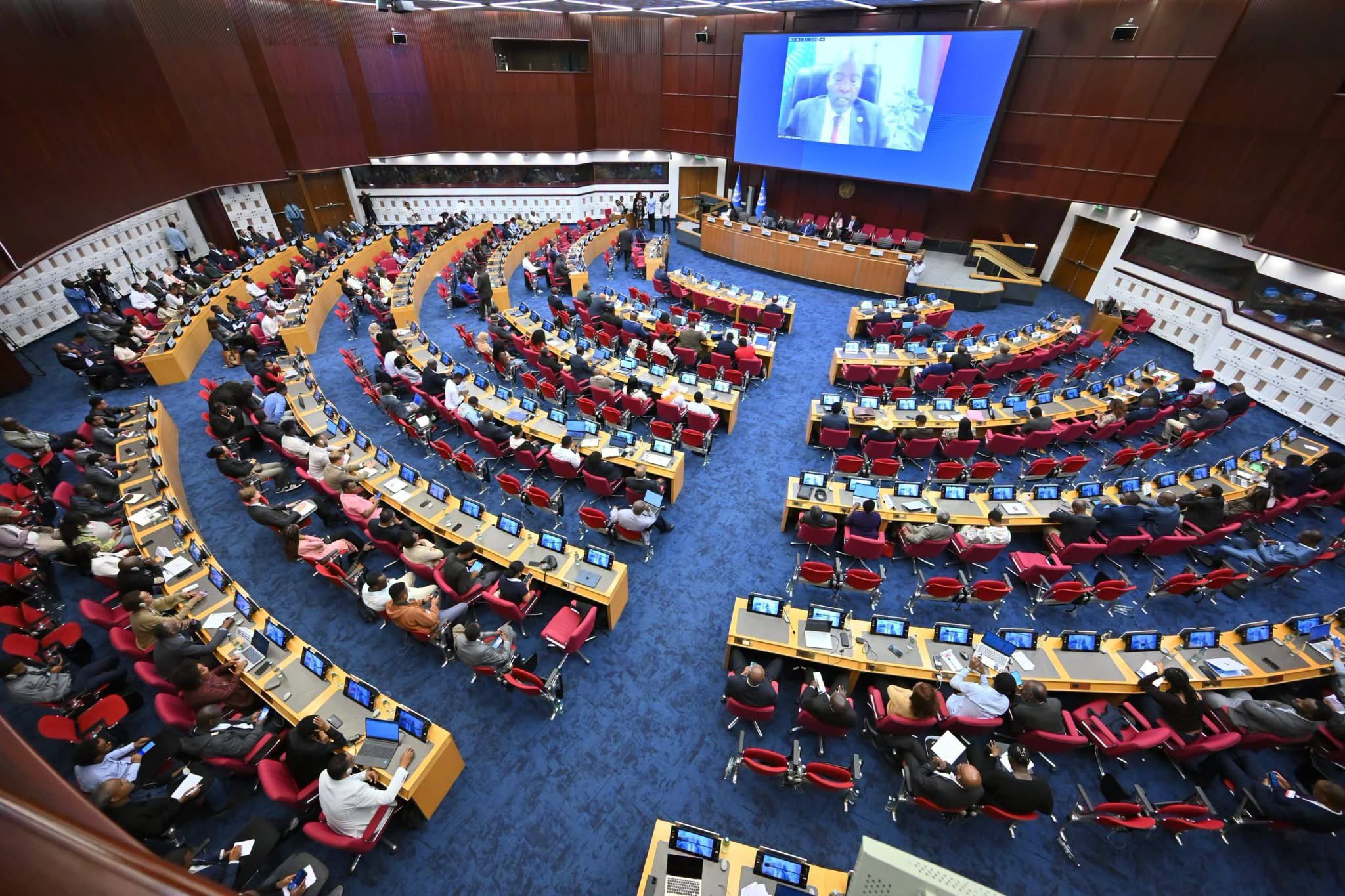
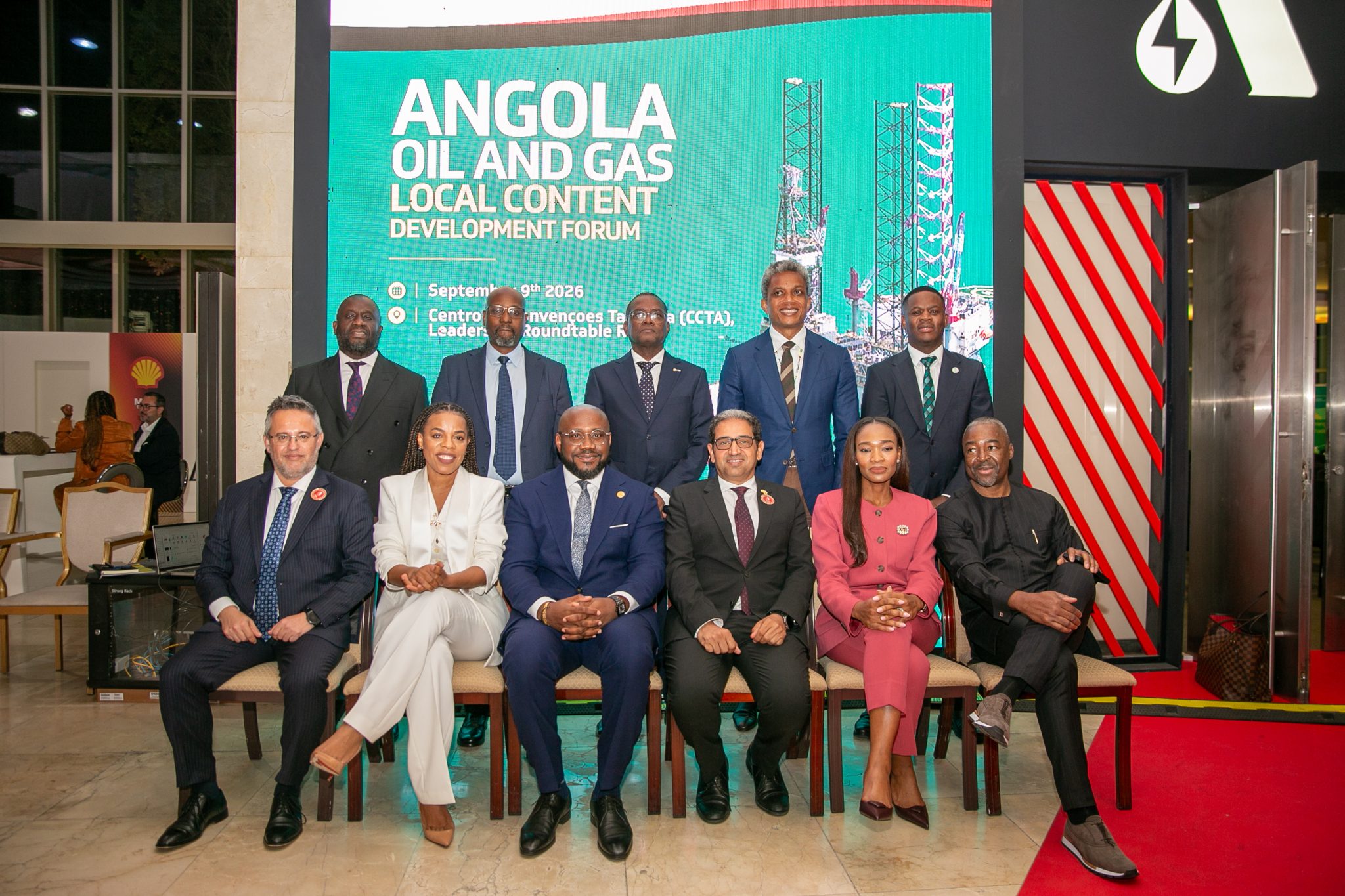
The bank brought together government institutions, financial institutions, indigenous companies and industry stakeholders at a Local Content Development Forum in Luanda on 9 September 2026 to explore ways of strengthening Angolan participation across the energy value chain.
Held at the Centro de Convenções de Talatona, the forum formed part of Afreximbank’s wider continental strategy to help African companies move beyond providing services to extractive industries and towards owning and operating assets within them.
The initiative is being advanced under the bank’s broader theme, “From Resources to Value”, which seeks to turn Africa’s natural resource base into greater domestic industrial and economic value.
Afreximbank already has a substantial financial footprint in Angola’s energy sector, having invested close to $2 billion in the country’s oil and gas industry.
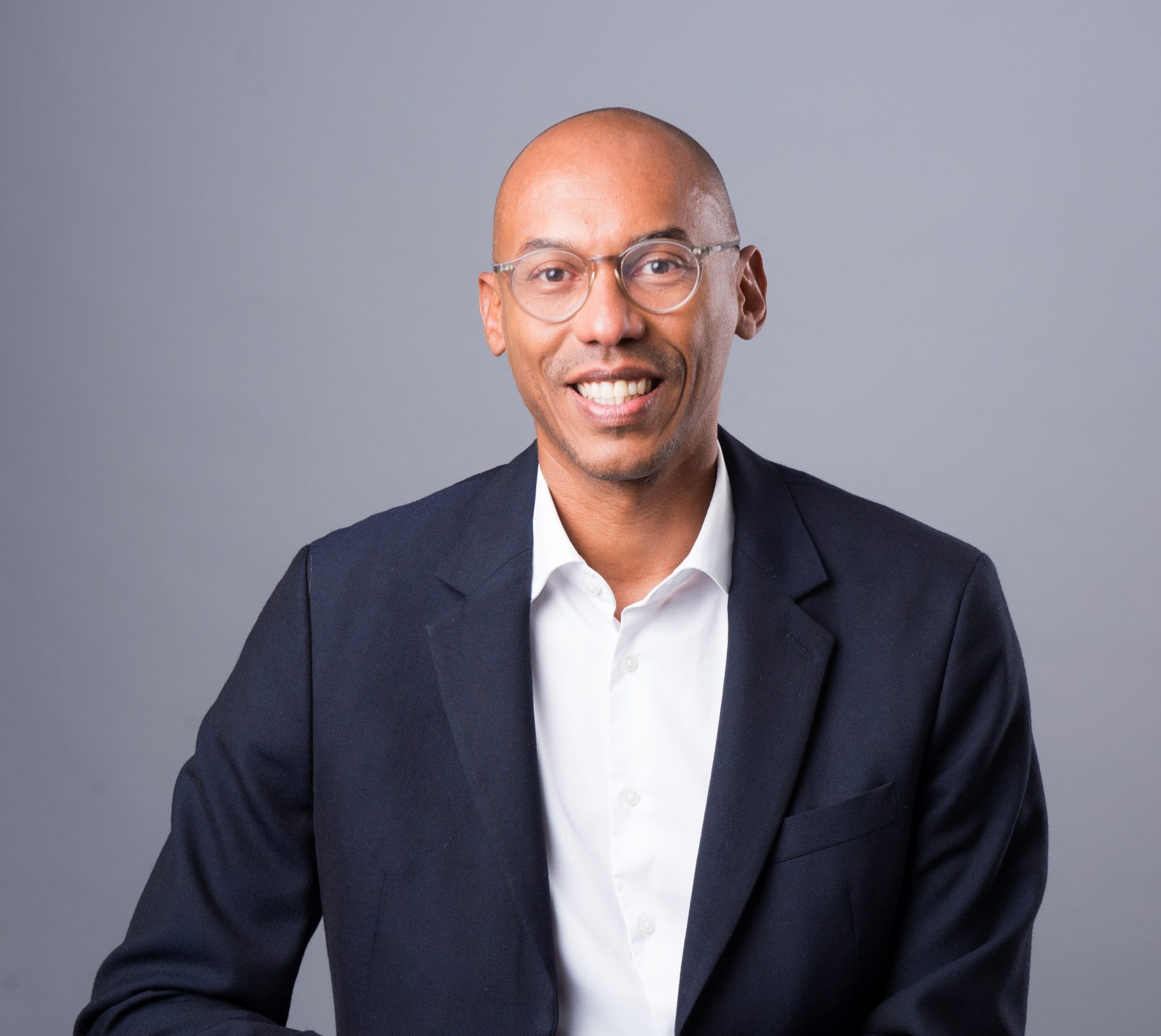
Haytham Elmaayergi, Executive Vice President for Global Trade Bank at Afreximbank, said the Luanda forum was intended to build on that relationship while opening a new phase of engagement with Angolan businesses.
He said the objective was to help local companies move “from participation and service provision towards ownership and scale”, drawing on experiences from indigenous energy companies elsewhere in Africa.
The emphasis marks a shift from simply increasing the number of local companies supplying the oil and gas industry to helping them acquire the capital and capabilities needed to become significant asset owners and operators.
Local content must drive industrialisation
For Berta Rodrigues Issa, President of the Association of Indigenous Companies for the Oil Industry of Angola (ASSEA), local content should be viewed as part of a broader industrialisation strategy rather than simply a requirement for companies to win contracts.
In her address, Issa argued that industrialisation cannot be measured only by whether a country exports more than it imports. It must also involve turning natural resources into productive capacity and developing companies that can compete beyond their domestic markets.
That means local content should create a pathway for Angolan businesses to build skills, capital, technology and scale, rather than limiting their participation to individual contracts within projects dominated by larger international operators.
ALSO READ: Afreximbank Leads $4 Billion Refinancing for Dangote Refinery with Major $1.35 Billion Commitment
The forum highlighted several practical barriers facing indigenous companies, including access to suitable financing, project bankability, execution capacity and access to markets.
These challenges are particularly significant in oil and gas, where projects require substantial capital, technical expertise and long-term financing. They can make it difficult for smaller domestic companies to compete for assets or projects traditionally associated with multinational operators.
Afreximbank presented its financing and advisory capabilities as part of the response, with discussions focusing on how government institutions, banks, investors and industry players could work together to convert potential projects into bankable transactions.
The key test, however, will be whether opportunities identified at the forum progress from financing discussions into actual transactions and completed projects.
Nigeria offers a potential blueprint
Nigeria featured prominently in discussions as an example of how indigenous companies can take ownership of major oil and gas assets.
Oando’s $783 million acquisition of Nigerian Agip Oil Company increased its interests in Oil Mining Leases 60 to 63 from 20% to 40%.
Heirs Energies, meanwhile, acquired a 45% interest in OML 17 and became the operator of the asset.
The transactions demonstrate how African-owned energy companies can acquire interests in major upstream assets and assume operational responsibilities that were previously dominated by international oil companies.
For Afreximbank and the forum participants, the Nigerian experience provides a possible model for Angola, provided domestic companies have access to the financing, technical capacity and institutional support required to pursue transactions of comparable scale.
The forum also identified a significant pipeline of opportunities in Angola’s oil and gas sector.
These include $2.5 billion for Lobito Oil, $1 billion for state-owned oil company Sonangol, $1.4 billion for Amufert and $280 million for Itracom.
The figures point to the scale of investment opportunities available across the sector and the potential role of development finance in supporting local companies.
Participants discussed how public institutions, local banks, investors and industry operators could coordinate more effectively to move these opportunities from the pipeline into implementation.
From local participation to ownership
The Luanda forum reflects a broader shift in African resource policy, with greater emphasis being placed on who owns and controls assets rather than simply who supplies goods and services to them.
For Angola, the challenge will be converting its local-content ambitions into companies capable of raising capital, acquiring assets and operating at international standards.
Afreximbank’s involvement provides access to a significant pool of trade and project finance, but the success of the initiative will ultimately depend on whether financing structures can be matched with commercially viable projects and companies with the capacity to execute them.
The Nigerian examples show that indigenous ownership at scale is possible. Angola’s next challenge is turning that possibility into a sustained pipeline of locally owned energy businesses.
Subscribe to Our Newsletter
Keep in touch with our news & offers
Thank you for subscribing to the newsletter.
Oops. Something went wrong. Please try again later.