DAR ES SALAAM, Tanzania: Ten countries sharing the Western Indian Ocean have adopted 15 decisions to strengthen marine protection, tackle pollution and support coastal livelihoods, setting an ambitious regional agenda whose success will depend on financing and national implementation.
The Twelfth Conference of the Parties to the Nairobi Convention, known as COP12, concluded in Dar es Salaam on 9 October after four days of negotiations. Its decisions cover biodiversity, marine spatial planning, pollution emergencies, climate resilience and investment in a sustainable blue economy.
The meeting marked four decades of cooperation under the convention, a regional treaty supported by the United Nations Environment Programme (UNEP). Its contracting parties are Comoros, France, Kenya, Madagascar, Mauritius, Mozambique, Seychelles, Somalia, South Africa and Tanzania.
For these countries, protecting the ocean means safeguarding much more than marine wildlife. Fisheries, ports, tourism, coastal settlements and businesses depend on waters and ecosystems that face competing demands and growing environmental pressure.
The question emerging from Dar es Salaam is how governments will translate the decisions into funded programmes, effective regulation and improvements that coastal communities can see.
An Ocean That Sustains Millions
More than 65 million people living along the region’s coastline depend on marine ecosystem goods and services, according to South Africa’s statement to the conference. That dependence connects ocean health directly to food security, employment and household incomes.
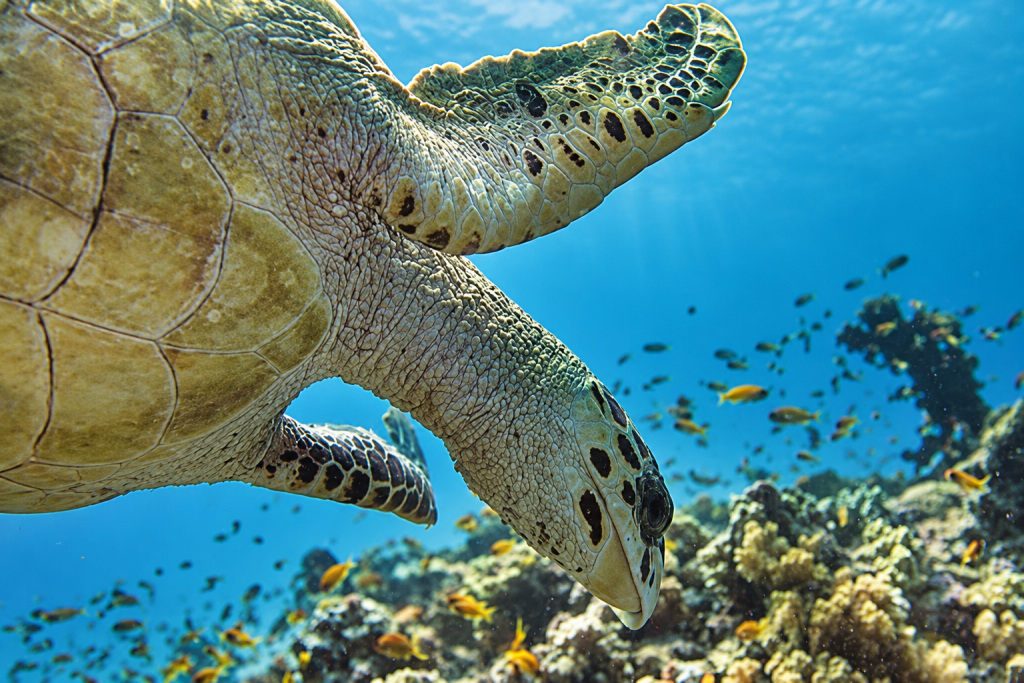
Mangroves, seagrass beds and coral reefs form part of the natural infrastructure supporting these livelihoods. They provide habitats for marine life, support fisheries and help protect coastlines. Damage to them can affect fishing communities, tourism businesses and settlements exposed to erosion and storms.
Tanzania’s Vice-President, Deogratius John Ndejembi, framed ocean protection as a shared regional responsibility.
“The Western Indian Ocean is our shared heritage, our shared lifeline, our shared prosperity, and our shared responsibility,” he said.
He called for the convention’s anniversary to become a turning point towards a healthier ocean and more resilient societies.
That ambition places an important condition on the region’s blue-economy agenda: expanding economic activity must also protect the ecosystems that make such growth possible.
What The Protection Plan Covers
The decisions advance implementation of the convention’s 2025–2035 Integrated Work Programme, with stronger ecosystem monitoring, information management and links between scientific evidence and policymaking.
They also support implementation of the Regional Ocean Governance Strategy and expanded marine spatial planning.
ALSO READ: Rising tides, vanishing coconuts: Tanzania’s Pangani faces a reckoning with the sea
Marine spatial planning helps governments manage competing uses of the same ocean space, including fishing, shipping, tourism, conservation and coastal development. Its practical value lies in identifying where activities can coexist and where environmental protection requires limits.
The biodiversity measures include action to implement the Kunming-Montreal Global Biodiversity Framework and conserve, restore and sustainably manage mangroves, seagrasses and coral reefs.
On pollution, countries endorsed a regional strategy addressing plastic waste and a contingency plan for major marine pollution incidents. They also called for stronger action against pollution originating on land.
That requires coordination beyond environment ministries. Wastewater, industrial discharge and discarded plastic can reach the sea through rivers and drainage systems, making municipalities, water authorities, industries and port operators central to implementation.
A regional emergency plan will similarly depend on national readiness, including trained personnel, equipment and clear responsibilities when a major pollution incident occurs.
Financing Must Reach Coastal Communities
COP12 also agreed on measures to strengthen ocean accounting, mobilise blue finance and promote investments benefiting communities, women and young people.
Ocean accounting seeks to make the contribution of marine resources and ecosystems more visible in economic decisions. It can help governments assess what is lost when development damages fisheries, coastal protection or other services provided by nature.
The financing agenda raises a related question: who benefits from investment in the ocean economy?
Support for small-scale fishers, community conservation initiatives and coastal enterprises will require more than broad commitments to inclusion. It will depend on access to finance and meaningful participation in decisions about the resources these communities use.
UNEP Deputy Executive Director Elizabeth Maruma Mrema said the conference had demonstrated the connection between conservation and economic prosperity.
“The challenge now is to turn these commitments into action that protects ecosystems, strengthens livelihoods and builds resilience for coastal communities,” she said.
The conference’s business forum, youth event and programme highlighting women-led initiatives brought these issues into the discussions. Their longer-term significance will depend on whether participation influences funding and implementation.
High Seas Agreement Adds Another Responsibility
Countries also welcomed the entry into force of the Biodiversity Beyond National Jurisdiction Agreement, commonly called the BBNJ Agreement or High Seas Treaty.
They called for wider ratification, stronger regional readiness and cooperation on its implementation.
The agreement concerns marine biodiversity beyond national jurisdiction. For the region, effective participation will require scientific expertise, legal capacity and access to information.
Regional cooperation offers countries a way to share these resources. Without that capacity, adopting international commitments may move faster than governments’ ability to implement them.
South Africa Calls For Practical Delivery
South Africa’s Deputy Minister of Forestry, Fisheries and the Environment, Narend Singh, reinforced the need to connect regional strategies with national action.
“We should be frank that ambitious ocean governance commitments cannot be implemented through policy declarations alone,” he told delegates.
Singh said developing countries needed predictable additional resources, technology, scientific expertise and institutional capacity. He also emphasised fishing communities’ participation in governance through support for the small-scale fisheries sector.
For South Africa, the decisions have implications for coastal development, fisheries, marine pollution and emergency preparedness. Regional cooperation can support these responsibilities, but national institutions must deliver them.
Success Will Be Measured Along The Coast
Mauritius was elected the incoming chair of the convention’s bureau as the countries move into the next phase of implementation.
The immediate tests are practical: whether governments fund their commitments, improve monitoring, strengthen pollution response and ensure coastal communities benefit from investment.
Zanzibar’s First Vice-President, Othman Masoud Othman, set out the standard at the closing plenary.
“The true measure of our success will not be the number of decisions we have adopted, but the improvements we achieve in the health of the marine and coastal ecosystems, and the well-being of our people,” he said.
COP12 has given the Western Indian Ocean a shared programme for action. Its credibility will now rest on what changes in coastal waters, fishing grounds and communities, and whether governments can sustain those changes beyond the conference.