Uganda’s planned Shs12.7 trillion domestic borrowing for 2026/27 may be manageable, but the central bank warns that exceeding the target could drive up interest rates, restrict private-sector credit and undermine efforts to stabilise public debt.
Bank of Uganda Governor Cautions Parliament: Excess Government Borrowing Could Squeeze Private Sector
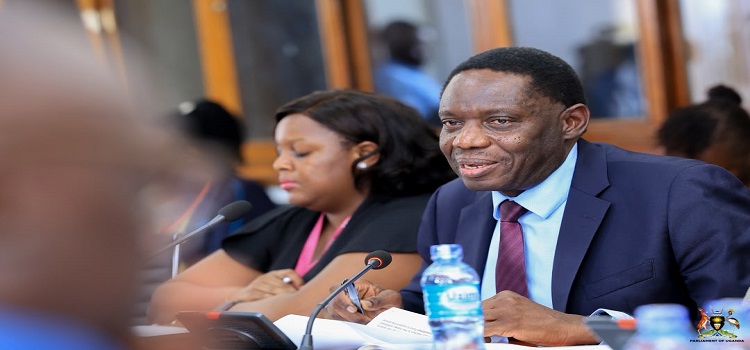
KAMPALA — Bank of Uganda Governor Michael Atingi-Ego has warned Parliament that while Uganda’s financial markets can accommodate the government’s planned domestic borrowing for the 2026/27 financial year, borrowing beyond those projections could push up interest rates and reduce access to credit for the private sector.
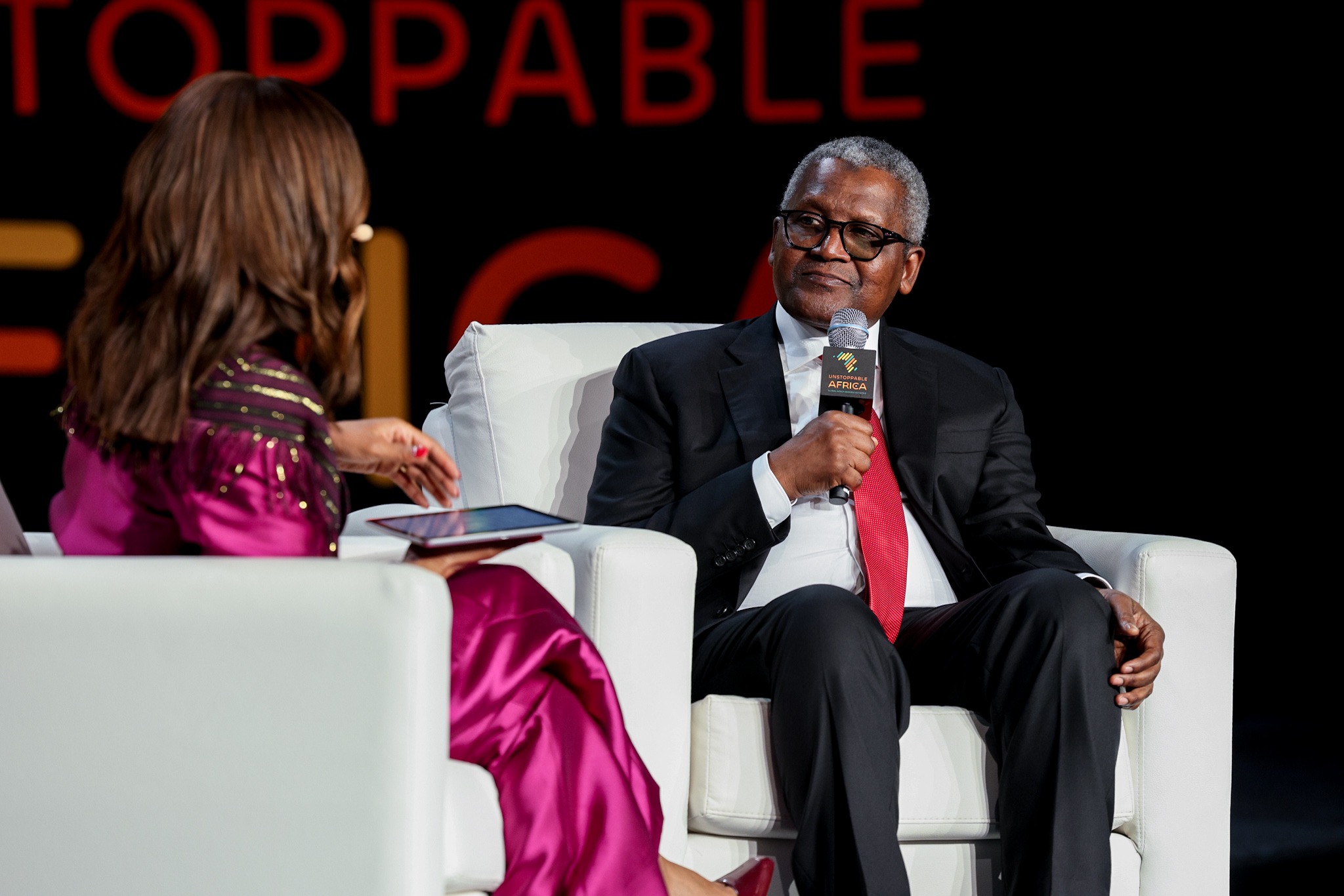
Atingi-Ego made the remarks when he appeared before Parliament’s Budget Committee, chaired by Gabriel Okumu, on Monday to present the central bank’s assessment of Uganda’s proposed Charter of Fiscal Responsibility for the 2026/27 to 2030/31 financial years.
The Charter is the third since Uganda introduced its fiscal responsibility framework and sets targets for public debt, the fiscal deficit and the management of petroleum revenues. It replaces the current Charter, which expires at the end of the 2025/26 financial year.
Atingi-Ego said the new Charter was “broadly credible” provided the government remained on its planned fiscal path, domestic financing stayed within projected market conditions and petroleum revenues were managed prudently.
Under the Charter, net domestic financing for 2026/27 is projected at about Shs12.7 trillion, equivalent to 4.6 per cent of non-oil GDP. That would represent a reduction from the Shs15.1 trillion the government borrowed domestically during the previous financial year.
“The market has what it takes to absorb this proposed net domestic financing,” Atingi-Ego told the committee, saying government could meet its financing requirements “without disrupting the private sector.”
However, he warned that the assessment could change if government borrowed more than planned.
“The risks are that government may be tempted to go for higher than projected domestic borrowing, and it could reverse the gains by placing upward pressure on the interest rates and therefore crowding out the private sector,” he said.
The warning comes as government seeks to bring public debt back under control while continuing to finance development and other expenditure.
Under the proposed Charter, public debt is projected to rise to a peak of 55.1 per cent of non-oil GDP in 2027/28 before declining to about 50 per cent by 2030/31. The debt rule remains the government’s main fiscal anchor.
The Private Sector Foundation Uganda has separately urged Parliament to address the government’s outstanding domestic arrears, estimated at Shs4.7 trillion, arguing that unpaid government obligations are placing additional pressure on businesses.
Credit growth remains positive
Atingi-Ego said conditions in Uganda’s financial markets currently provided some room for government borrowing without significant disruption to private-sector financing.
He pointed to improved liquidity in the banking system, declining yields on government securities and continued investor demand for Treasury instruments as evidence that the market could absorb the planned borrowing.
Private-sector credit grew by 16.1 per cent year-on-year to June 2026, according to the Governor, with average monthly growth of about 11.5 per cent during the year.
He expects credit growth to moderate to around 13 per cent in 2026/27, suggesting that financing conditions could become tighter even if government stays within its borrowing plan.
The Governor therefore stressed the importance of maintaining fiscal discipline throughout the five years covered by the Charter.
Oil revenues add another layer of risk
The management of petroleum revenues also featured prominently during the hearing as Uganda prepares for the start of commercial oil production.
First commercial oil production is expected before the end of 2026. The 2026/27 national budget anticipates about Shs1.4 trillion in oil-related non-tax revenue, which the government plans to use for programmes including the Parish Development Model, as well as education and health sector wages.
The fiscal framework limits the amount of petroleum revenue that can be transferred to the Consolidated Fund for budget spending to a maximum of 0.8 per cent of the previous year’s non-oil GDP. The remainder is to be transferred to the Petroleum Revenue Investment Reserve.
ALSO READ: Bank Of Uganda Tightens Security Controls After Reported Breaches
Atingi-Ego also clarified the ownership and management of the Reserve, which is managed operationally by the Bank of Uganda.
“These will be government assets. They will not be on the Bank of Uganda balance sheet,” he said.
He explained that petroleum revenue invested offshore would not immediately increase liquidity in Uganda’s domestic economy. Any domestic liquidity effect would occur when funds are transferred to the Consolidated Fund and subsequently spent within the country.
The distinction is significant as Uganda prepares to receive oil revenues and seeks to manage their potential effects on inflation, exchange rates and the wider economy.
Bank ready to respond to fiscal deviations
On the broader inflation outlook, Atingi-Ego said the Charter’s assumptions on exchange rates and interest rates were broadly consistent with the Bank of Uganda’s own macroeconomic projections.
Interest rates could gradually decline if the government maintained its fiscal consolidation path, he said.
But the Governor warned that a significant departure from the planned fiscal trajectory could require monetary policy intervention.
“If there are any deviations in the fiscal path that will compromise price stability, we will take all the appropriate actions to ensure that price stability is maintained,” he said.
Those measures could include raising interest rates if necessary to contain inflationary pressures.
MPs demand closer scrutiny
Committee chair Gabriel Okumu urged Parliament’s Finance, Budget and National Economy committees to maintain close oversight of government borrowing throughout the period covered by the Charter.
“If we are not careful, especially the committees on Finance, Budget and National Economy, if we do not put our foot down, we are really going to let the country down,” Okumu said.
He called for Parliament to scrutinise government borrowing over the next five years and provide guidance where necessary.
Other MPs questioned whether the fiscal framework would remain effective if key assumptions, particularly around oil production, changed.
Hon. Richard Sebamala, MP for Bukoto County Central, asked how government would manage expenditure, debt servicing and exchange-rate pressures if oil revenues were delayed.
“The oil assumption can go on until around 2028, do you think Government will adhere to these fiscal rules, and if not, what provisions should Parliament change?” he asked.
Atingi-Ego said the central bank remained confident in the oil production projections underpinning the Charter.
Hon. Marshall Alenyo of Jonam County, meanwhile, questioned whether the Charter should contain a specific requirement for government to report on domestic arrears.
He warned that expenditure controls could be undermined if government continued accumulating unpaid bills.
The issue echoes concerns raised by the Private Sector Foundation Uganda over the Shs4.7 trillion in outstanding domestic arrears, which it says are already putting pressure on businesses.
The parliamentary hearing ultimately placed the emphasis on one central issue: whether government can maintain its borrowing and spending plans without undermining private-sector credit, price stability and the debt reduction path set out in the new fiscal framework.
Subscribe to Our Newsletter
Keep in touch with our news & offers
Thank you for subscribing to the newsletter.
Oops. Something went wrong. Please try again later.