A $155 million US investment in Johannesburg-based WIOCC Group is set to bring American capital alongside AFC and Saudi Arabia’s Vision Invest, accelerating the expansion of fibre networks, subsea cables and data centres across a continent where only 35.7% of people were using the internet in 2025.
NEW YORK/PRETORIA — Africa’s digital infrastructure is drawing a new wave of international capital, with the United States joining African and Saudi investors behind WIOCC Group in a potential investment package worth about $455 million.
The US International Development Finance Corporation (DFC) intends to invest up to $155 million in WIOCC, an African carrier-neutral digital infrastructure operator headquartered in Johannesburg.
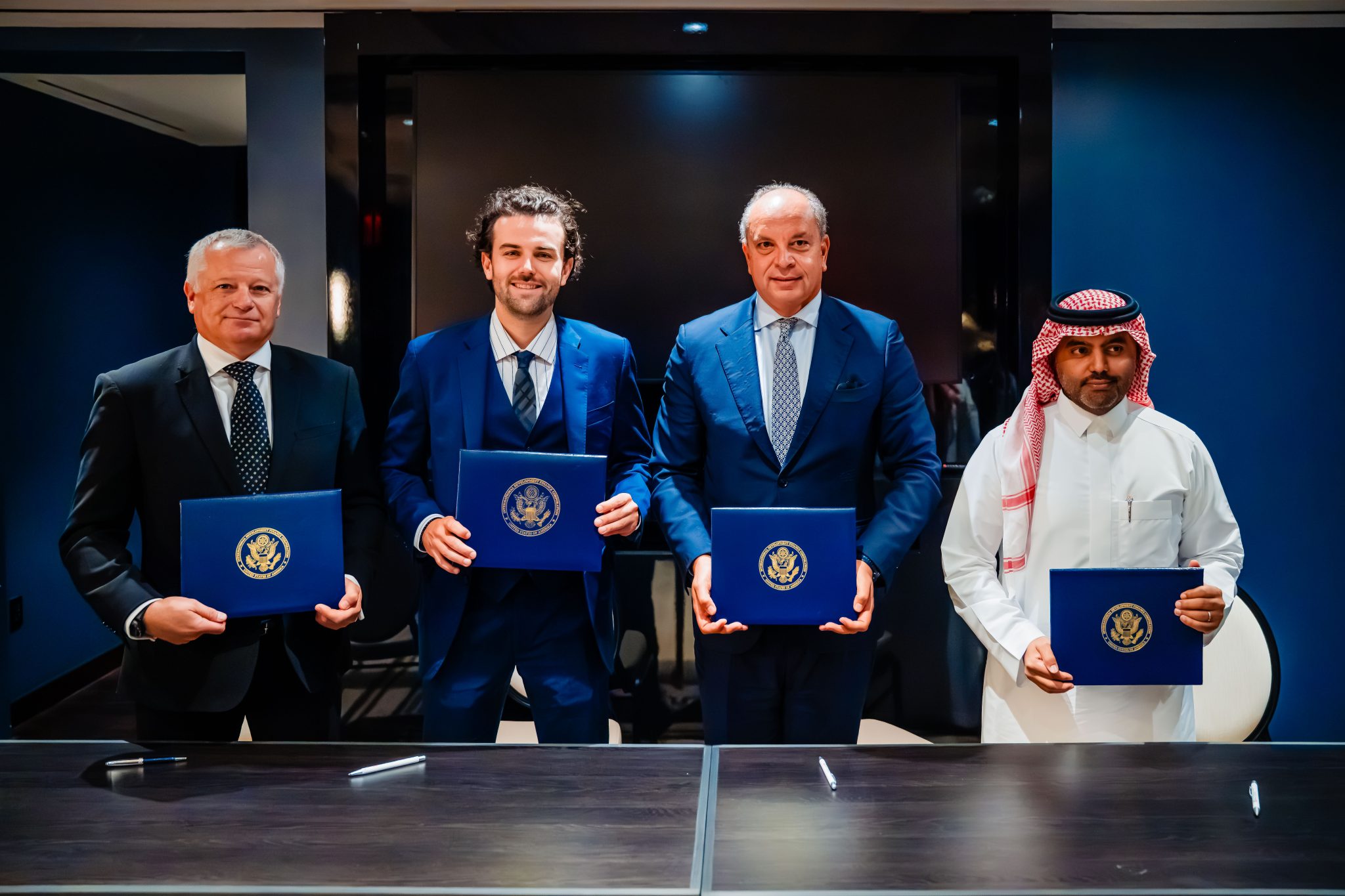
The move would put DFC alongside Africa Finance Corporation (AFC) and Saudi Arabia’s Vision International Investment Company (Vision Invest), which agreed earlier this month to invest a combined $300 million in WIOCC.
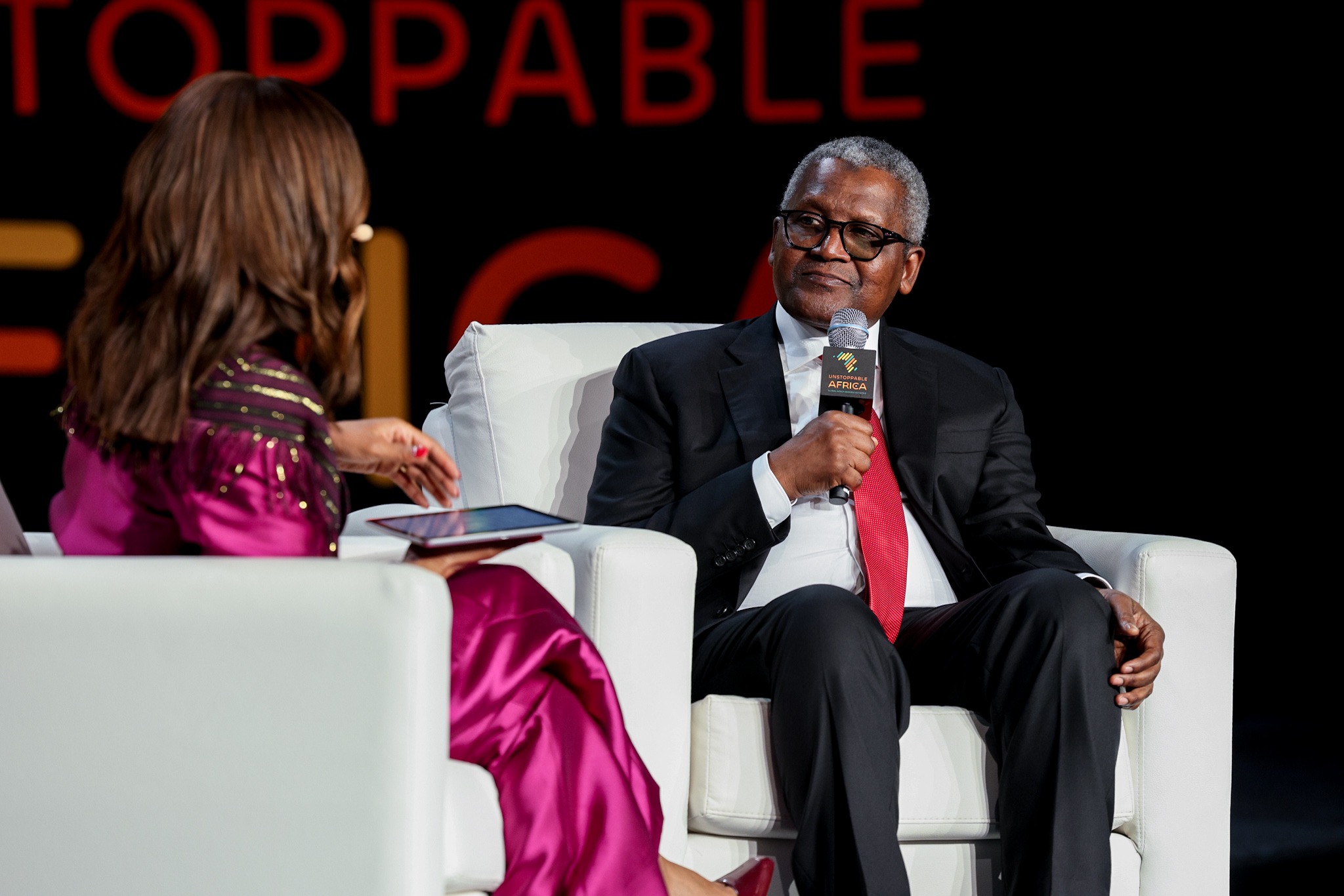
The announcement was made in New York following an AFC-hosted roundtable on the sidelines of Unstoppable Africa, the Global Africa Business Initiative’s flagship gathering held alongside the 81st session of the United Nations General Assembly.
For Africa, the significance of the deal extends beyond another corporate capital injection.
WIOCC sits underneath some of the infrastructure that allows data to move across the continent and between Africa and the rest of the world. Its assets include terrestrial fibre networks, subsea cable capacity and data centres, putting the company at the intersection of three increasingly critical parts of the digital economy.
Building the infrastructure behind Africa’s digital economy
DFC Chief of Staff and Head of Investments Conor Coleman said the investment would support the development of digital infrastructure capable of underpinning Africa’s economic growth.
“DFC’s investment in WIOCC Group will help build the next generation of trusted, resilient digital infrastructure needed to power Africa’s economic growth,” Coleman said.
He added that the platform could also support American and allied companies expanding into African markets, including US hyperscalers and technology companies.
The timing reflects the scale of Africa’s remaining connectivity gap.

According to the International Telecommunication Union, 35.7% of Africa’s population used the internet in 2025, compared with 73.6% globally.
That gap is becoming more consequential as economies shift more services online and demand for cloud computing, artificial intelligence, digital payments and data-intensive applications grows.
The investment by AFC and Vision Invest, announced in September, is targeted at three areas: expanding and consolidating data-centre capacity, extending WIOCC’s open-access terrestrial fibre network into additional markets and adding selected subsea assets.
The proposed DFC investment adds another layer of institutional capital to that expansion.
Why fibre and data centres matter
AFC President and CEO Samaila Zubairu compared digital networks with the physical infrastructure that has traditionally supported economic development.
“Just as transport corridors enable trade and energy networks power industry, fibre, data centres and subsea cables are now essential infrastructure for growth, innovation and AI,” Zubairu said.
The argument is straightforward: businesses cannot reliably use cloud services, artificial intelligence, digital financial services or other data-intensive technologies without the networks and facilities needed to move, store and process information.
AFC says its investment is intended to expand the open-access digital infrastructure available to African businesses and communities.
Vision Invest President and CEO Omar N. Al-Midani pointed to Africa’s demographics as another driver of demand.
Africa has the world’s youngest population and is expected to account for more than a quarter of the global population by 2050. That demographic expansion is likely to place further pressure on telecommunications networks, data services and digital platforms.
Johannesburg company with a continental footprint
The scale of WIOCC’s existing network helps explain why the company has attracted investors from three different regions.
Established in 2008, WIOCC says it now operates across more than 30 African countries, with more than 115,000 kilometres of terrestrial fibre and access to more than 200,000 kilometres of subsea systems.
The company has ownership interests in fibre pairs on both the Equiano and 2Africa subsea cable systems.
ALSO READ: Afreximbank Pushes Angola’s Oil and Gas Sector Towards Local Ownership
The 2Africa system spans about 45,000 kilometres and connects 46 landing stations across 33 countries in Africa, Asia and Europe. WIOCC is a fibre-pair owner on the system.
Equiano, meanwhile, runs for more than 12,000 kilometres along Africa’s western coastline, with a landing at Melkbosstrand in South Africa among its landing points.
WIOCC also has a data-centre business through Open Access Data Centres, with facilities across South Africa, Nigeria and the Democratic Republic of Congo. The group currently reports more than 40 data centres across its core and edge facilities.
That footprint gives the new investment a distinctly continental dimension, rather than making it simply a bet on one national telecommunications market.
A three-way capital story
The emerging shareholder structure is also notable.
African development finance, Saudi capital and US development finance are converging around the same infrastructure platform.
The AFC and Vision Invest deal was signed at the LEAP 2026 technology exhibition in Riyadh on September 1, with the $300 million earmarked for WIOCC’s expansion programme.

The DFC investment would bring another major development finance institution into the platform.
That combination reflects a wider shift in the financing of Africa’s digital infrastructure, where large networks increasingly require capital from multiple institutions and regions.
For WIOCC CEO Chris Wood, the additional capital will accelerate data-centre deployment and consolidation, expand the group’s open-access fibre footprint and support investment in new subsea assets.
The company’s Chief Strategy and M&A Officer, Joshua Smythwood, said the completed investment would strengthen WIOCC’s financial position and its ability to create long-term value.
The bigger question: who benefits from the new capacity?
The investment comes as Africa faces a difficult balance.
The continent needs far more digital infrastructure to close its connectivity gap and support technologies such as AI. At the same time, the benefits of new infrastructure ultimately depend on who can access it and at what cost.
WIOCC operates primarily as a wholesale infrastructure provider, supplying connectivity to telecommunications operators, internet service providers, cloud operators and content companies.
That means the immediate impact of the investment will largely be measured in expanded network and data-centre capacity.
The longer-term question is whether that additional capacity translates into more affordable and reliable services for households, small businesses, governments and African technology companies.
That will depend not only on how quickly the infrastructure is built, but also on competition, regulation, access pricing, local data-hosting capacity and the ability of operators to extend connectivity beyond Africa’s most commercially attractive markets.
For now, the direction of travel is clear: a Johannesburg-based company has become a meeting point for African, Gulf and American capital as investors position digital infrastructure alongside roads, ports and energy networks as a critical part of Africa’s next phase of economic development.