By Paul Phume
JOHANNESBURG – A few years ago, I was fortunate to be a co-owner in a vehicle dealership. The lessons from operating a business in the automotive sector were invaluable. One of many, I learnt the importance of consumer confidence in driving vehicle sales.
After many years negotiating for the business, when we finally started, it coincided with three interest rate “hikes”. Increases in interest rates decrease the purchasing power of households, leading to fewer sales. Sales are the lifeblood of a vehicle dealership, the lesson being that business confidence is an essential part of any business.
I am reminded of a story many years ago, my brother asked whether I would feel confident to start a fruit business in a corner when I knew that someone was going to mug my customers or me. Fast forward to now, and the sentiment remains largely unchanged.
Business confidence represents the collective sentiment of business leaders regarding the future, reflecting their positive or negative outlook on business and economic conditions. It follows that business confidence will have an impact on the macro-economy.
ALSO READ: The Role Of Sports In Grooming Youth For Adulthood
High confidence encourages capital investment and economic activity, thereby increasing aggregate demand. On the contrary, low confidence leads to reduced investment and layoffs, causing contractionary effects in the economy.
According to the RMB/BER business confidence index in South Africa, it rose to forty-seven in Q1 2026, the highest since Q2 2021, from forty-four in the previous quarter. According to the survey, the business sentiment has improved amid a stable government, a supportive interest rate environment, and favourable exchange rate movements, despite geopolitical concerns.
Isaac Mhlanga, chief economist at RMB, adds that “A sustained improvement in confidence will ultimately depend on stronger demand, continued policy credibility and progress on structural reforms.”
Following the news and seeing the Iran-Israel/US war developments in the Middle East, one is left with an intense feeling of uncertainty. Iran accounts for about 20% of the world’s oil supplies, which is significant. The war is going to disrupt global energy supplies and maritime trade, leading to rising fuel costs and shipping delays.
ALSO READ: It’s Time To Show Respect To The Spaza Industry
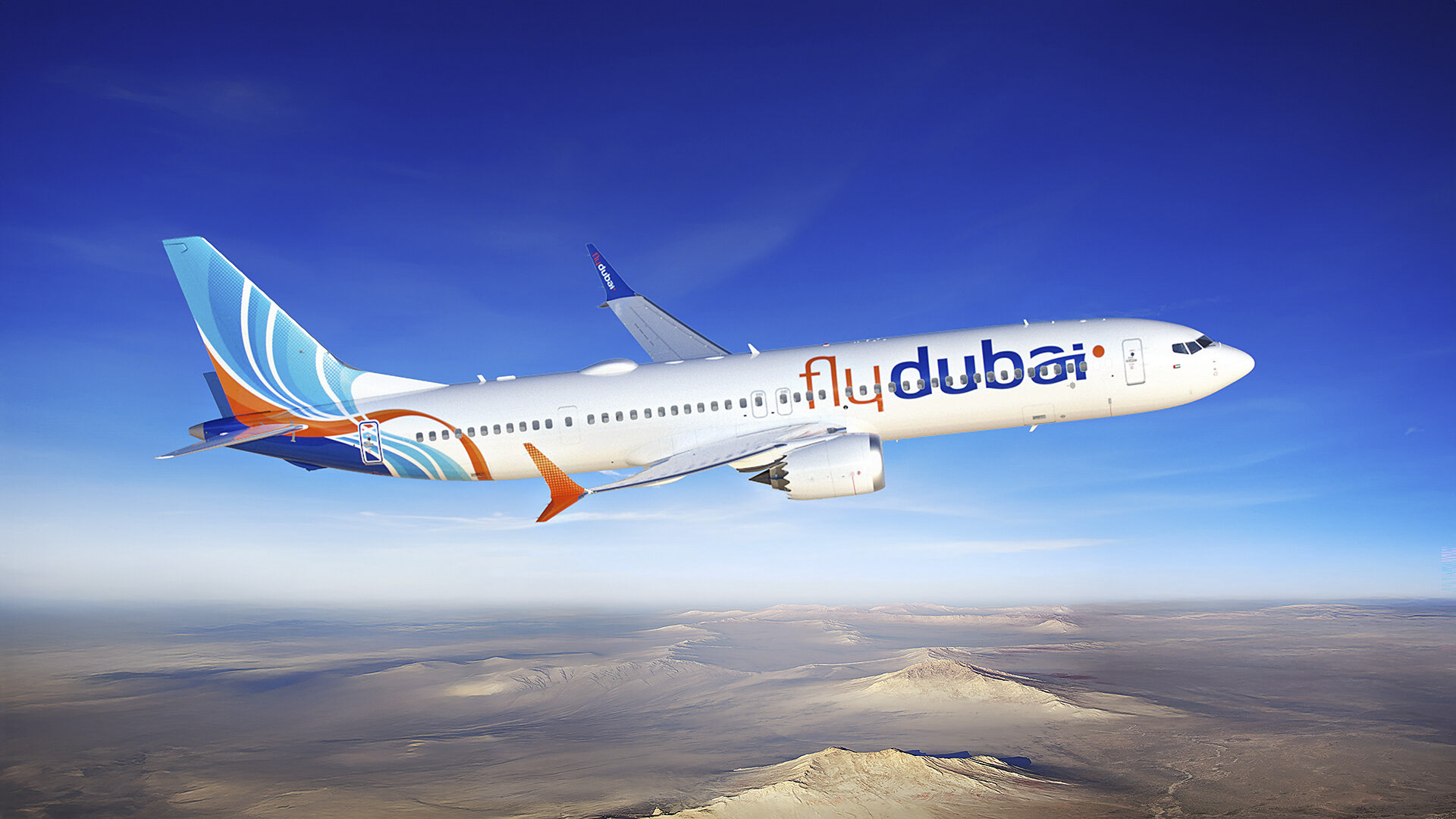
South Africa and global economies are likely to experience inflation and threaten economic stability. We have already seen how the shipping lanes like the Strait of Hormuz have been threatened, forcing costly rerouting around the Cape of Good Hope, which adds up to two weeks to voyages and raises fuel surcharges, container rates, and insurance premiums. All these factors will affect logistics and transport businesses. The situation is impacted further by the sour trade wars between South Africa and the US.
How does a business operate in such a dynamic environment? There are strategic options that companies may follow, such as diversification, increasing orders for critical commodities, and using technology to build client confidence in product movements.
What every strategy will tell you is that consistency and staying your course is the best response to this high volatility. Historically, geopolitical shocks will always pass, businesses may be well advised to stay on that strategy rather than panic.