One in every 17 new light vehicles sold in the country is now an electrified vehicle, signalling a significant shift in consumer and business demand.



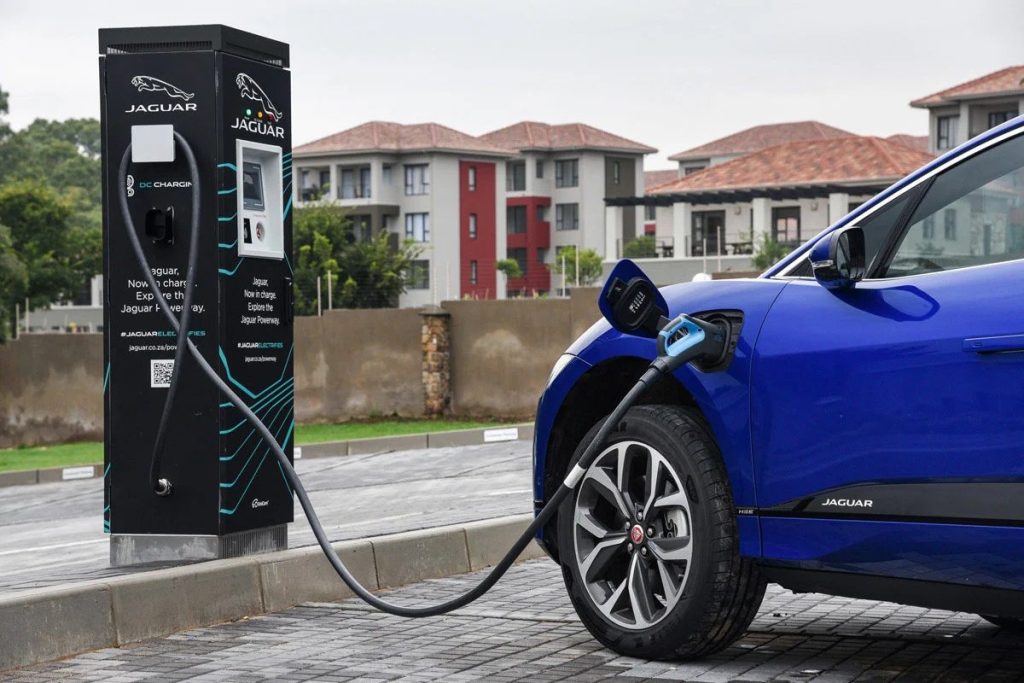
PRETORIA – South Africa’s electric vehicle market is moving rapidly into the mainstream, with new energy vehicles (NEVs) now accounting for 6% of all new light vehicle sales, according to the latest industry data.
The milestone means roughly one in every 17 new light vehicles sold in the country is now an electrified vehicle, signalling a significant shift in consumer and business demand.
Figures released by the National Association of Automobile Manufacturers of South Africa (NAAMSA) on Monday show that 3,045 NEVs were sold in June 2026, representing a 104.2% increase from the 1,491 units sold during the same period last year.
The growth is reflected in the year-to-date figures. South Africa has recorded 13,193 NEV sales so far in 2026, comprising 6,667 hybrid electric vehicles (HEVs), 4,623 plug-in hybrid electric vehicles (PHEVs) and 1,903 battery electric vehicles (BEVs).
For Joubert Roux, co-founder and chair of Zero Carbon Charge (CHARGE), the figures point to more than a temporary surge in electric vehicle sales.
“Electric mobility is moving beyond early adopters and becoming an increasingly mainstream choice for South African consumers and businesses.”
The changing market is also being shaped by affordability, with hybrid vehicles continuing to dominate NEV sales. The statement attributes this to factors including the availability of charging infrastructure, consumer driving patterns and the cost of vehicles.
The price of electric vehicles has also changed significantly in recent years.
In 2023, the cheapest new electric vehicle available in South Africa cost close to R800,000. The market now includes considerably cheaper options, including the Geely E2 Aspire at R339,900 and the BYD Dolphin Surf Comfort at R341,900.
The anticipated September launch of the Chery Q, priced from R350,000, is expected to further expand the options available to consumers. A growing number of Chinese manufacturers have also introduced electric vehicles priced below R520,000.
Roux said the changing price structure was altering the traditional argument around electric vehicles.
For years, consumers and fleet operators had to consider whether the higher purchase price of an electric vehicle would eventually be offset by lower running costs.
That calculation is increasingly changing.
READ MORE: Road Trip with Sweet Treats and an EV
“Electric is simply the cheaper option on day one,” Roux said, arguing that the shift could change purchasing decisions for both individual motorists and fleet operators.
The trend is not confined to passenger vehicles.
Electric front-end loaders are also becoming more competitive. The statement cites the Everun EREL05 Electric Loader, with a rated load of 500kg, starting at R177,183, compared with the MCM 912 Front End Loader, with an 800kg rated load, starting at R257,125.
Although the machines are not directly comparable in specification, CHARGE said the figures illustrate how the upfront price gap between electric and diesel equipment is narrowing.
The economics of electric mobility are also being influenced by volatility in conventional fuel prices.
From 5 August, motorists will benefit from a 52 cents per litre reduction in the petrol price. Diesel users, however, face a sharp increase.
Diesel prices are rising by 123.44 cents per litre for 0.005% sulphur diesel and 138.44 cents per litre for 0.05% sulphur diesel, according to the statement.
The Department of Mineral and Petroleum Resources attributed the increase to tighter global diesel supplies, linked to Russian export restrictions and reduced refinery capacity in the Middle East.
For businesses operating large diesel-powered fleets, the volatility represents a growing operating risk.
CHARGE argues that fuel-price fluctuations are no longer simply occasional shocks but an ongoing factor that fleet operators must consider when calculating the cost of vehicle ownership.
The rapid increase in NEV sales also brings a major infrastructure challenge.
As more South Africans move towards electric vehicles, the country’s charging network will need to expand alongside demand, particularly for motorists travelling beyond major urban centres.
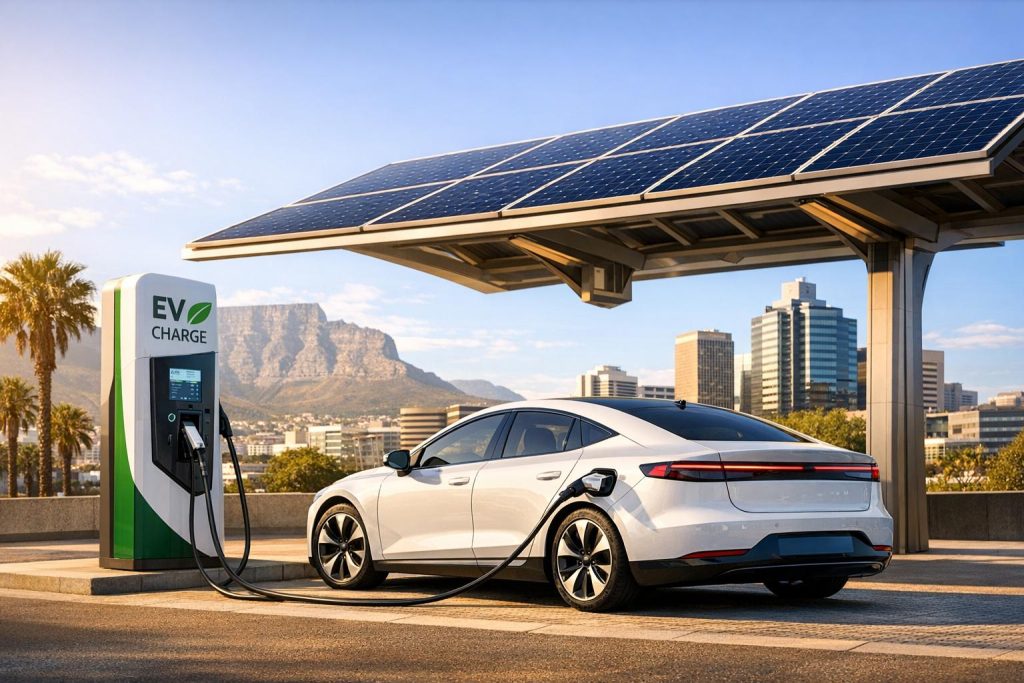
CHARGE has begun rolling out a national network of off-grid, solar-powered charging stations, including recently launched sites along the N3 corridor linking Johannesburg and Durban.
The company says its stations use solar-powered microgrids to provide grid-independent charging, with the broader rollout intended to support both urban travel and long-distance electric mobility.
The N3 route is particularly significant because it is one of South Africa’s major intercity transport corridors, connecting Gauteng and KwaZulu-Natal.
READ MORE: The Mercedes C200 Is Clean, Classy, But Under Scrutiny
For electric vehicle adoption to move beyond urban commuting, however, motorists need confidence that they can travel longer distances without being stranded by limited charging options.
Roux said the latest sales figures made continued investment in charging infrastructure increasingly urgent.
“As adoption grows, we need to ensure South Africans have access to a reliable, national charging network that supports the market as it matures,” he said.
The latest figures suggest that the question facing South Africa’s automotive market is no longer whether electric mobility will gain a foothold.
With NEV sales more than doubling year-on-year and electric models becoming increasingly affordable, the more pressing question is whether infrastructure, electricity supply and the wider transport ecosystem can keep pace with consumer demand.