Renewed concern over killings of women in Kempton Park has reopened debate over South Africa’s sentencing regime, with Dr Bandile Masuku rejecting a return to the death penalty while Dr Lebeya calls for a review of how sentences are structured and served.
PRETORIA – Renewed concern over violent killings of women in Kempton Park, Gauteng, has reopened debate about South Africa’s sentencing regime, with Gauteng Legislature Community Safety Chairperson Dr Bandile Masuku rejecting a return to the death penalty while Dr Lebeya calls for a review of how sentences are structured and served.
The debate follows the discovery of the bodies of several women in and around Kempton Park, which has intensified public concern about violent crime and the criminal justice system’s response to perpetrators.
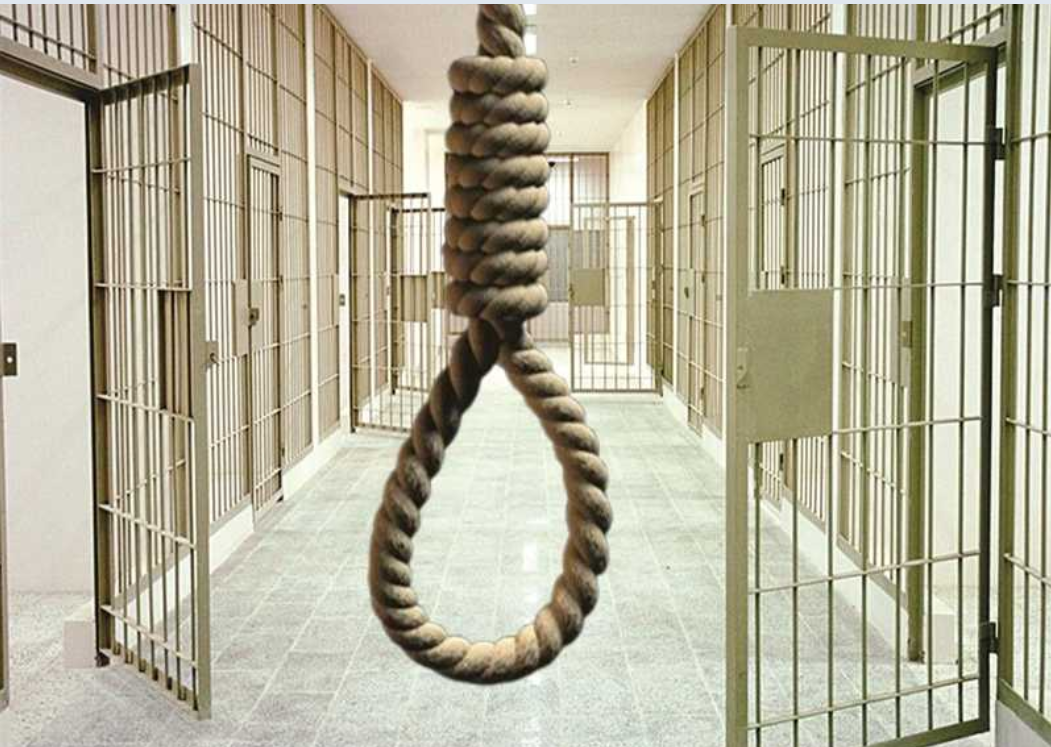
Masuku said he did not support the reinstatement of capital punishment, despite growing calls for tougher action against those responsible for serious crimes.
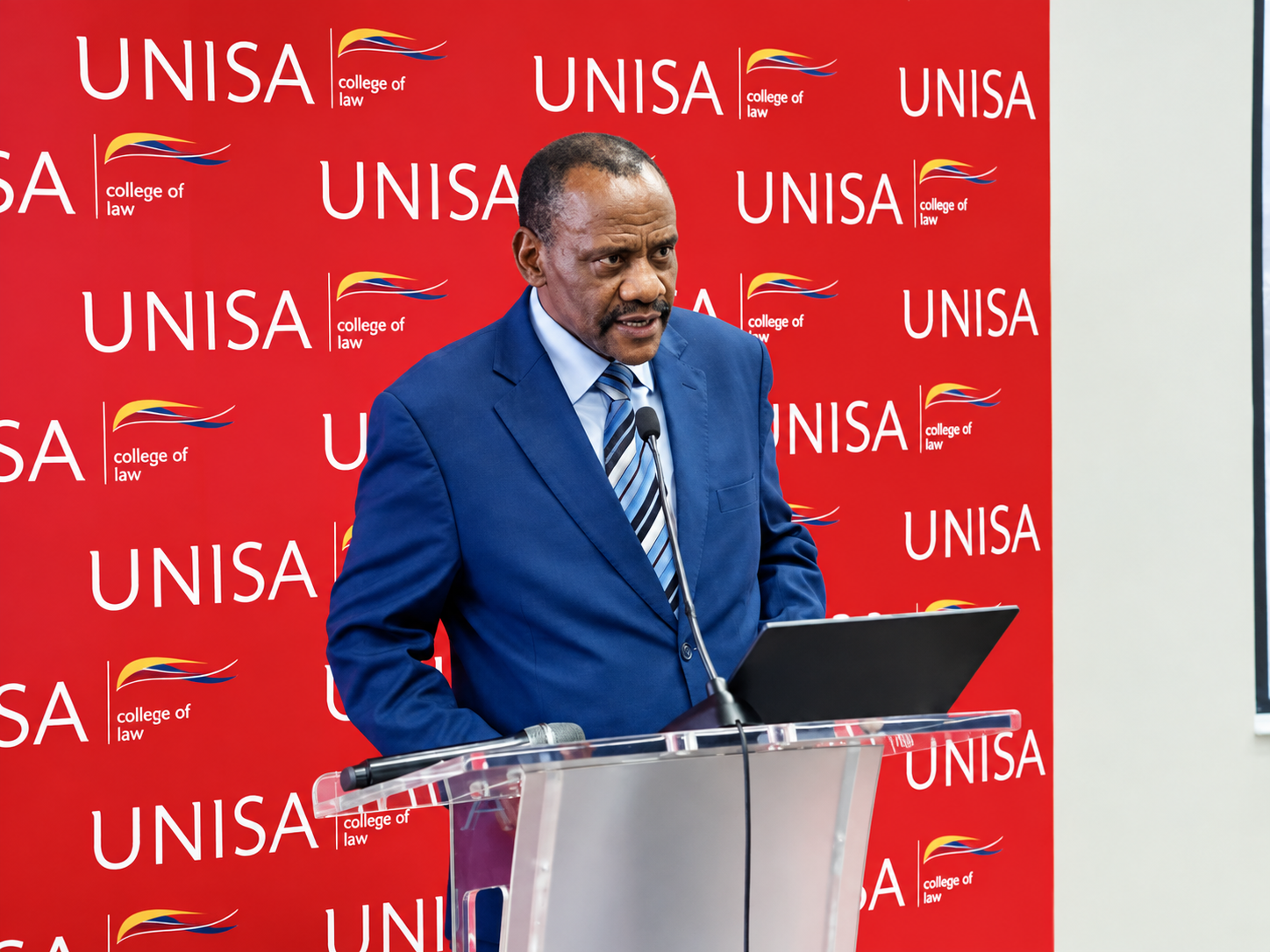
Speaking at Unisa, Masuku said there was insufficient evidence that the death penalty acted as an effective deterrent.
“I do not believe in the death penalty sentencing because it has not proven to be a deterrent in preventing crime.”
He said South Africa should allow academics, researchers and other stakeholders to engage in a broader discussion about sentencing, including life imprisonment.
“The country wants to have conversations and discussions. Let academics, scholars and researchers discuss it, as we are a democratic country and see the outcome thereof,” Masuku said.
ALSO READ: Lebeya Calls for Stronger Fight Against Crime Through Justice System
He also acknowledged a trust deficit between the public and law enforcement agencies, saying the criminal justice system and policymakers needed to strengthen their response to violent crime.
Rather than focusing on capital punishment, Masuku said attention should be directed towards ensuring that existing laws were effectively implemented and that offenders faced appropriate consequences.
Lebeya calls for sentencing review
Dr Lebeya, meanwhile, called for a review of South Africa’s sentencing regime, arguing that aspects of the current system required closer examination.
He questioned whether existing sentences were achieving their intended purpose and suggested that the way offenders serve their sentences should form part of the review.
“If there is any law that we want to revisit, let’s revisit the sentencing regime and how our sentences have to be served so that those people are self-sufficient,” Lebeya said.
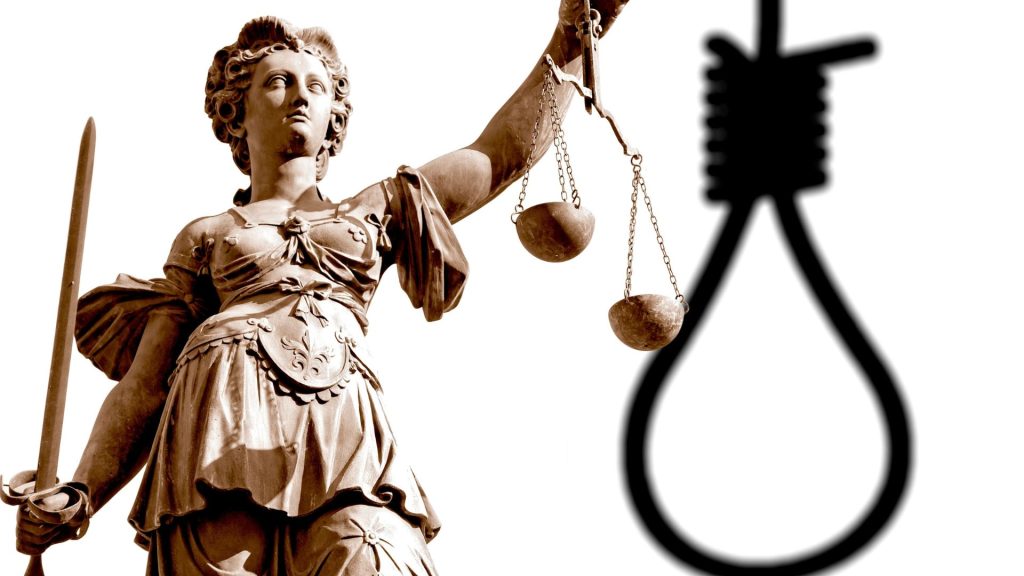
He said the penal framework may need to be revised, particularly in cases where existing sentences were no longer serving as an effective deterrent.
“In my view, for some time now, one issue that needs to be revisited is the sentencing regime. The penal code is the one that may need to be revised,” he said.
ALSO READ: From Sandton Threats to State Contracts: Moriel Faces Scrutiny on Two Fronts
Lebeya rejected the idea that perpetrators should be killed, arguing instead that offenders should be rehabilitated and encouraged to become self-sufficient.
“Human beings are creatures that can change if they are well rehabilitated,” he said.
A broader criminal justice debate
The differing positions highlight two related questions in South Africa’s response to serious violent crime: whether the existing sentencing framework provides sufficient accountability and deterrence, and whether the way sentences are served should be reconsidered.
The debate comes against a backdrop of heightened public concern over violence against women and the effectiveness of the criminal justice system in dealing with serious offences.
The focus is now shifting from the death penalty to the effectiveness of South Africa’s broader criminal justice system, including sentencing, rehabilitation and enforcement.
While Masuku opposes capital punishment, Lebeya has called for a review of the sentencing regime and how offenders serve their sentences. Their positions come as public pressure grows for a stronger response to violent crime against women.