Zimbabwe is moving closer to bringing VAR into domestic football, with FIFA experts guiding the rollout and ZIFA targeting the Chibuku Super Cup final for the technology’s debut. But before the first review, referees, stadiums, equipment and match-day systems must all pass the test.
HARARE: Zimbabwe has taken a major step towards introducing Video Assistant Referee (VAR) technology into domestic football, with FIFA experts leading a two-day implementation meeting in Harare this week.
The meeting, which began on September 21, brought together the Zimbabwe Football Association (ZIFA), Premier Soccer League, clubs, government officials and municipal authorities responsible for several of the country’s stadiums.
If preparations remain on schedule, VAR could make its competitive debut in Zimbabwe before the end of the year. ZIFA has identified the Chibuku Super Cup final on November 16 as a potential first VAR-assisted fixture, provided local referees complete the required FIFA certification.
The technology is also expected to be introduced from the semi-final stage of the Munhumutapa Challenge Cup.
Building the expertise
FIFA instructor Felix Tangawarima, who is leading the Zimbabwe project, was joined by FIFA colleagues Inokuchi Takaachi and Michael Bailey during the implementation meeting.
Tangawarima said one of the project’s immediate priorities was building a pool of trained personnel who can operate and manage the system on match days.
“We need to start from somewhere. Zimbabwe already has seven officials who have received VAR training through CAF and COSAFA,” he said.
The next phase will focus on expanding that pool while ensuring that the technology, venues and match-day procedures comply with FIFA requirements.
ALSO READ: Senong, Letsholonyane Begin FC Platinum Era With Winning Start
Referee training is scheduled to begin on October 25 and will continue until the Chibuku Super Cup final. FIFA will certify officials once they have demonstrated that they meet the required standard.
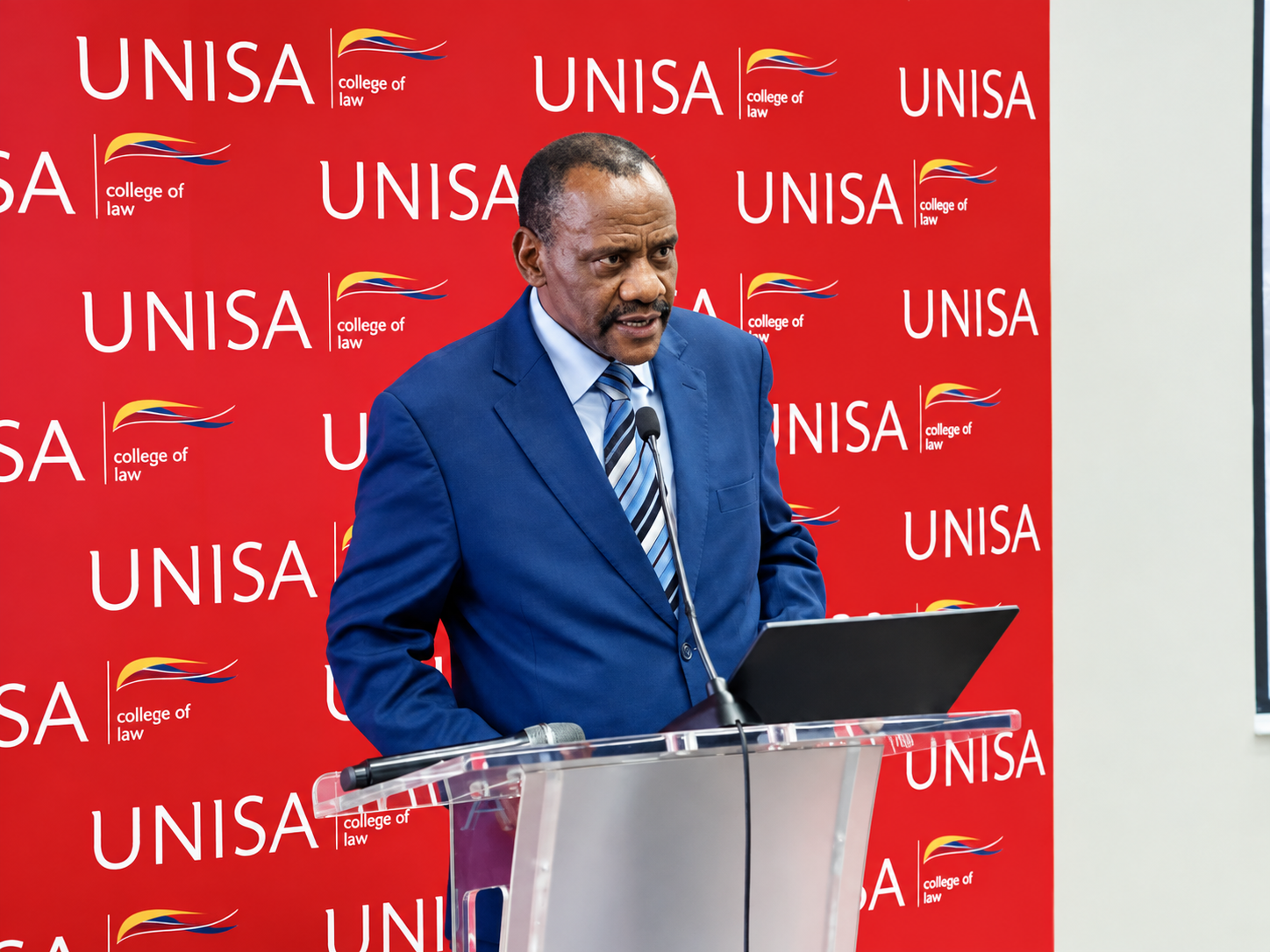
ZIFA president Nqobile Magwizi said the VAR project formed part of the association’s broader reform programme, but cautioned that its introduction would not happen overnight.
“It does not mean VAR will be at the next game,” Magwizi said.
He said the technology was intended to help “bring sanity to the local game”, noting that some referees had been suspended over controversial decisions despite what he described as a lack of adequate support.
Equipment procurement is already under way, with a consultant providing separate equipment for the referee training programme, Magwizi said.
Sakunda backs the project
Sakunda Holdings has committed funding towards VAR preparations at Rufaro Stadium, Barbourfields Stadium and the National Sports Stadium.
The company has also indicated that it could support additional venues identified by ZIFA.

“We stand with ZIFA on this project,” Sakunda chief operating officer Mberikwazvo Chitambo said, speaking on behalf of chief executive Kudakwashe Tagwirei.
The financial commitment provides ZIFA with support for the infrastructure and technical preparations required before VAR can be approved for competitive matches.
Stadium readiness a key test
The condition and certification of Zimbabwe’s stadiums will be central to the project.
Zimbabwe has a long history of struggling to meet continental stadium requirements. In 2020, CAF barred all stadiums in the country from hosting international matches.
The National Sports Stadium regained approval for CAF Category B fixtures only in August 2025, after more than four years during which the Warriors were forced to play home matches outside the country.
Rufaro Stadium and Barbourfields Stadium, meanwhile, remain below CAF’s highest classification.
The VAR rollout therefore involves more than installing cameras and video equipment.
Under FIFA’s Implementation Assistance and Approval Programme, competition organisers must complete a defined implementation, testing and approval process before VAR can be used competitively.
FIFA also requires technology tests at venues where VAR has not previously been used. That puts Rufaro, Barbourfields and the National Sports Stadium at the centre of Zimbabwe’s preparations.
The authorities will also have to establish clear responsibilities covering equipment, technology providers, technical personnel and match-day operations.
Part of a wider ZIFA reset
The VAR project comes as ZIFA continues efforts to rebuild its administration and football structures.
Magwizi was elected president in January 2025, ending a period during which FIFA had placed the association under a normalisation committee from late 2022 amid concerns over government interference.
Zimbabwe’s planned rollout also puts the country alongside a growing number of African football associations adopting VAR.
Morocco introduced VAR in its domestic league in 2019, followed by Egypt in 2020. Zambia subsequently used the technology during the 2023 ABSA Cup final, marking the first use of VAR in domestic football in sub-Saharan Africa.
South Africa, meanwhile, is still preparing for its own rollout.
The South African government allocated R82 million last year towards the introduction of VAR in partnership with SAFA and the Premier Soccer League. The Betway Premiership, however, continues to operate without the technology.
Sports Minister Gayton McKenzie recently wrote to SAFA seeking an update on the rollout following a series of high-profile refereeing controversies early in the 2026/27 season.
If Zimbabwe meets its November target, it would introduce VAR into domestic competition ahead of South Africa.
VAR will not replace the referee
The introduction of VAR will not transfer decision-making from the referee to the video officials.
Under the International Football Association Board protocol, VAR intervention is limited to defined situations involving clear errors or serious missed incidents.
ALSO READ: SAFA Says R20-Million VAR Grant Untouched As It Seeks DSAC’s Patience Over Stalled Rollout
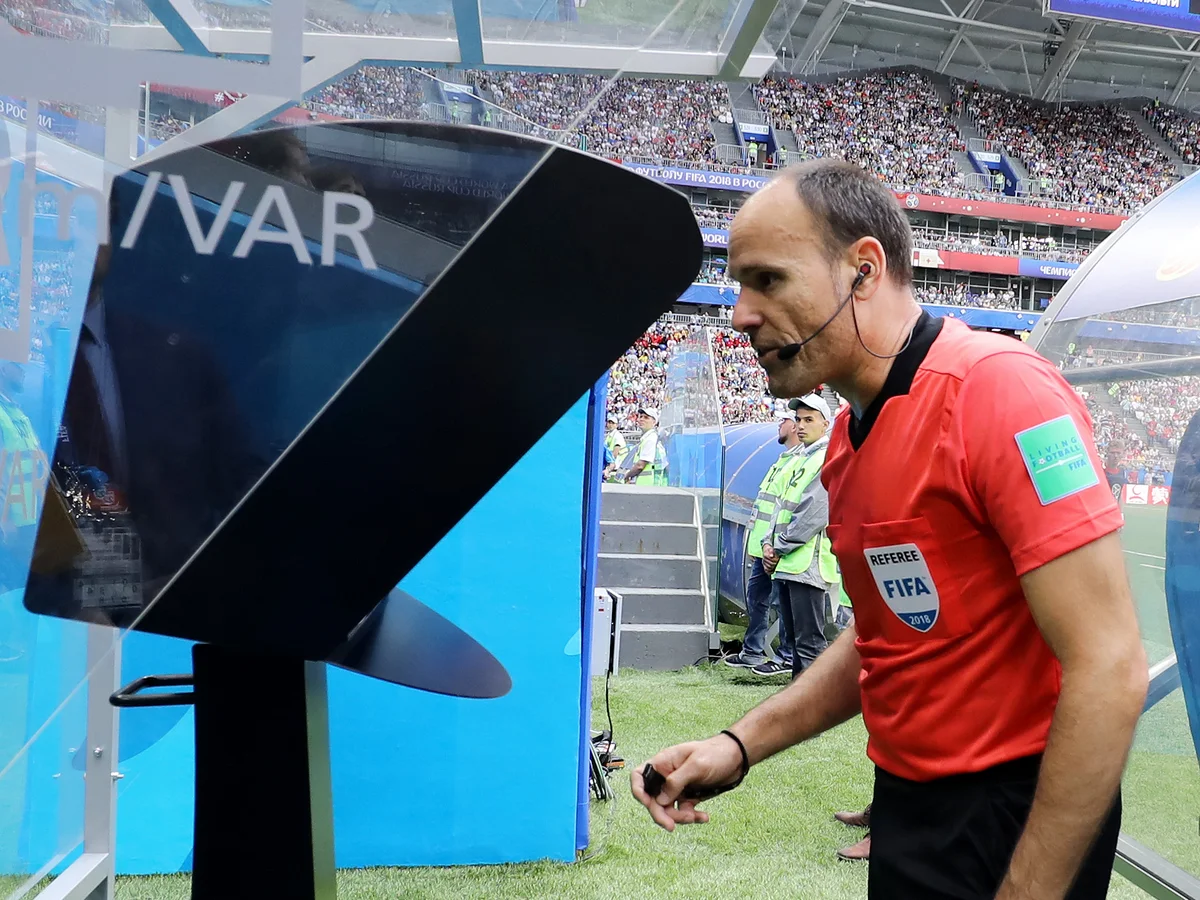
The referee remains responsible for making the initial decision during play. Where a review is required, the referee can receive advice from the video assistant or review footage at the pitchside monitor before deciding whether to overturn the original call.
VAR is therefore intended to support the referee rather than replace the match official.
Preparing supporters and teams
Public education will also be important as Zimbabwe introduces the technology.
Supporters will need to understand which incidents can be reviewed, why some decisions are referred for review and why others are allowed to stand.
Clear communication will be particularly important during the early stages, when unfamiliarity with the system could turn stoppages into confusion or frustration.
Players and team officials will also need to understand the process and their responsibilities during reviews, including allowing officials to complete the procedure without attempting to influence the decision.
The real test is readiness
For Zimbabwean football, the VAR project is ultimately about more than acquiring technology.
It will require trained referees, compliant venues, reliable equipment, qualified technical personnel and clear match-day procedures working together.
ZIFA expects to have a clearer framework for applying VAR under its competition rules before the 2027 domestic season.
For now, however, the most important milestone is not the first VAR-assisted match but whether Zimbabwe can demonstrate that its venues, officials, equipment and procedures are ready to meet the required standards.
With ZIFA coordinating the project, FIFA providing the technical framework, and Sakunda supporting the infrastructure, Zimbabwe has begun laying the foundations for VAR.
The next challenge will be ensuring that the system is ready to perform when the decisions that matter most arrive.