IPID recorded more than 5,200 cases involving alleged police misconduct in a single year, including 116 rapes allegedly committed by officers. Assault and torture dominated the caseload, while the Western Cape recorded the highest number of cases.
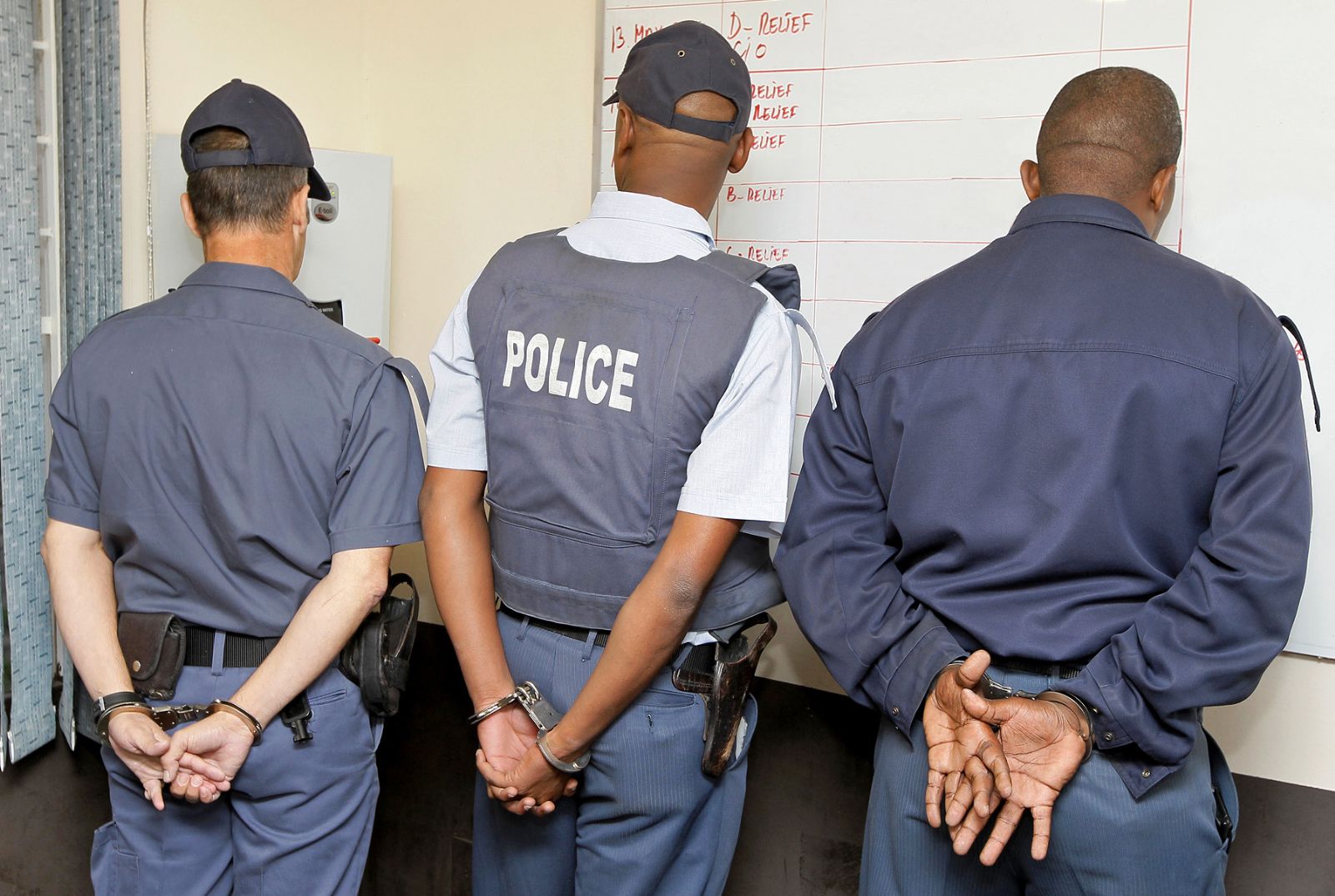
PRETORIA – Cases of rape allegedly committed by police officers increased by more than 22% in the past financial year, according to the Independent Police Investigative Directorate (IPID), adding to concerns over criminality and misconduct within South Africa’s law enforcement agencies.
IPID registered 5,259 cases during the 2025/26 financial year, including 116 cases of rape allegedly committed by police officers, up from 95 the previous year.
Of those rape cases, 72 allegedly involved officers who were on duty at the time, while 44 involved off-duty officers.
The figures form part of IPID’s latest annual reporting, tabled in the National Assembly on Wednesday, 30 September, by Acting Police Minister Firoz Cachalia.
“Policing can only be effective if it is legitimate and trusted by the public,” Cachalia said, stressing that independent oversight was central to improving accountability and professionalism within the police service.
Assault and torture dominate complaints
Assault and torture remained by far the biggest drivers of IPID’s caseload.
The directorate registered 3,468 assault and torture cases, accounting for roughly two-thirds of all cases received during the year.
Another 669 cases involved the discharge of an official firearm, while 464 involved deaths as a result of police action.
The Western Cape recorded the highest overall number of cases at 905, narrowly ahead of Gauteng with 898.
ALSO READ: IPID Struggles to Locate Suspended IDAC Investigator Amid Torture Probe
KwaZulu-Natal recorded 722 cases, followed by the Eastern Cape with 717.
Together, those four provinces accounted for 3,242 cases, or nearly 62% of IPID’s entire national caseload.
The concentration of complaints in those provinces is not entirely new. IPID identified the Western Cape, Gauteng, KwaZulu-Natal and Eastern Cape as its four hotspot provinces during the first quarter of 2025/26 as well.
116 rape cases involving police officers
Among the most concerning figures in the report is the increase in rape cases involving police officers.
IPID spokesperson Lizzy Suping said 116 cases of rape by police officers were registered during 2025/26, compared with 95 the previous year.
That represents an increase of about 22% in a single year.
“Of the 116 rape cases registered, 44 acts of rape were committed by off-duty police officers, while 72 by on-duty officers,” Suping said.
The increase was already becoming apparent early in the financial year.
IPID reported 27 rape cases involving police officers during the first quarter of 2025/26, compared with 22 during the corresponding period a year earlier. Gauteng recorded the highest number during that quarter, with five cases.
The annual figures therefore show that the increase continued beyond the opening months of the reporting period.
More than 300 GBVF-linked cases
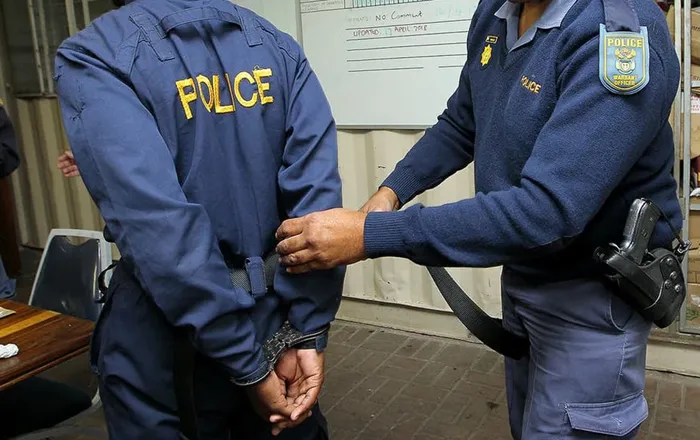
Overall, IPID identified 332 cases linked to gender-based violence and femicide (GBVF).
Of these, 122 were referrals, predominantly involving domestic violence. Another 116 involved rape by police officers, 58 involved assault and torture, 24 were murder cases and 10 involved the discharge of an official firearm.
KwaZulu-Natal recorded the highest number of GBVF-related cases at 60, followed by Gauteng with 58 and the Free State with 52.
The Eastern Cape and Northern Cape recorded 27 cases each.
At police-station level, Kimberley in the Northern Cape and Mariannhill in KwaZulu-Natal recorded seven GBVF cases each.
Madadeni in KwaZulu-Natal recorded six, while Phoenix in KwaZulu-Natal, Humewood in the Eastern Cape and Welkom in the Free State recorded five each.
Three of the six stations with the highest recorded numbers were therefore in KwaZulu-Natal.
Criminal convictions almost double
There was, however, a significant increase in the number of criminal convictions secured following IPID investigations.
The directorate recorded 84 criminal convictions during 2025/26, compared with 43 the previous year.
That represents an increase of about 95%, meaning the number of convictions almost doubled.
Of the 84 convictions, 26 were linked to GBVF cases, while sentences across the various cases ranged from several months’ imprisonment to life sentences.
IPID investigators also carried out 281 arrests during the year.
ALSO READ: Lebeya Calls for Stronger Fight Against Crime Through Justice System
By 31 March 2026, 994 cases were enrolled before various courts after IPID recommended that the National Prosecuting Authority institute criminal proceedings against officers.
The figures illustrate the lengthy pipeline between allegations being reported, investigations being completed, prosecutors deciding whether to proceed and cases eventually reaching judgment.
IPID entered the financial year carrying a significant historical workload. In September 2025, the directorate said it had a backlog of about 14,907 cases as at May 2025 and had begun bringing retired detectives into the organisation as part of a three-year programme to tackle outstanding investigations, particularly in hotspot provinces.
Disciplinary action against officers
Criminal prosecution is only one part of the accountability process.
IPID also makes disciplinary recommendations to SAPS where its investigations identify misconduct requiring internal action.
During 2025/26, SAPS concluded 277 disciplinary recommendations referred by IPID. Sanctions ranged from written warnings to dismissal from the police service.
The distinction is important because an IPID case does not automatically amount to a criminal conviction. Complaints must be investigated, and where investigators believe there is sufficient evidence for prosecution, matters are referred to the NPA for a decision.
Similarly, allegations recorded in IPID’s case intake should not be interpreted as findings that individual officers are guilty.
Oversight under pressure
The figures emerge as SAPS faces sustained scrutiny over accountability, corruption and internal discipline.
For IPID, the scale of the caseload presents its own challenge.
At the beginning of 2025/26, the directorate acknowledged that thousands of older investigations remained unresolved. It announced plans to appoint 36 retired detectives over three years, with additional investigators deployed to provinces experiencing the greatest pressure.
IPID describes itself as an independent oversight body responsible for investigating specified criminal offences and misconduct allegedly committed by SAPS and municipal police officers. Its mandate includes deaths in police custody, deaths resulting from police action, the discharge of official firearms, rape by police officers, rape in police custody, torture, assault and certain corruption matters.
The latest figures demonstrate the scale of that responsibility.
More than 5,200 cases entered the system in a single financial year. Nearly two-thirds involved assault or torture, 464 involved deaths resulting from police action, and allegations of rape by police officers increased from 95 to 116.
Against that backdrop, Cachalia said effective policing ultimately depended on public confidence in those entrusted with enforcing the law.
“Policing can only be effective if it is legitimate and trusted by the public,” he said.