Uganda’s Cabinet approved plans to extend its flagship cash grant to people aged 65 and above, but the 2026/27 budget did not fund the expansion. Government now says the changes could take effect in 2027/28, subject to funding.
Uganda’s SAGE Expansion Stalls as Shs252 Billion Funding Gap Leaves Older Persons Waiting
KAMPALA, Uganda – Uganda’s plan to expand its flagship cash grant for older persons has stalled after the 2026/27 budget failed to provide the funding required to lower the eligibility age from 80 to 65.
The funding shortfall for the proposed expansion is about Shs252 billion, according to figures presented to Parliament, leaving older Ugandans aged 65 to 79 outside the programme for now.
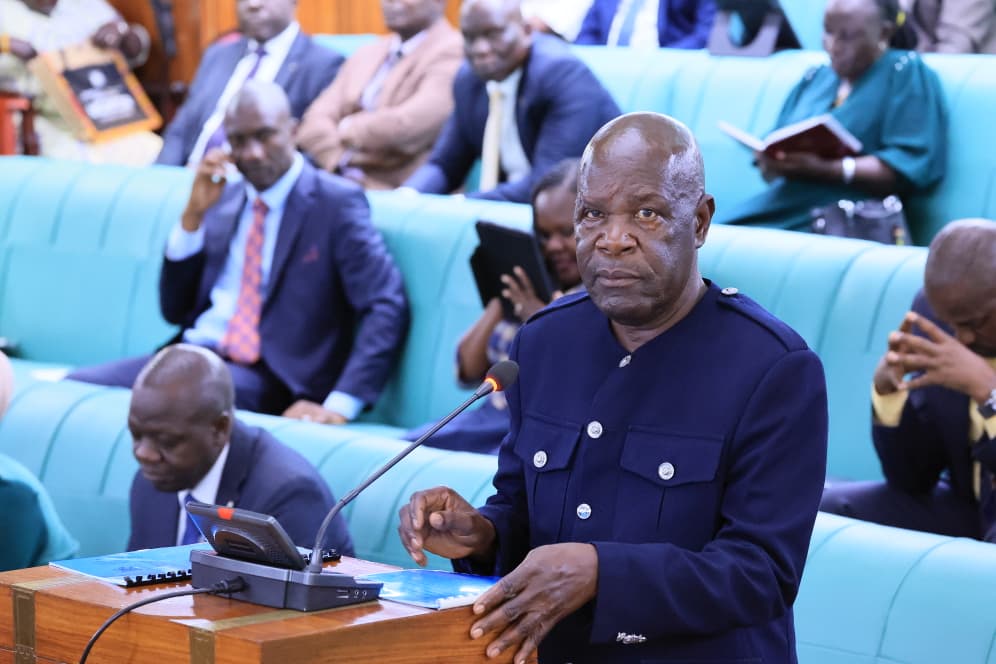
The Minister of State for Gender (Older Persons), Jaqueline Mbabazi, told Parliament on Wednesday, 30 September, that Cabinet had approved progressively lowering the eligibility age for the Social Assistance Grants for Empowerment (SAGE) programme from 80 to 65.
“Cabinet approved the progressive reduction of the programme’s eligibility age from 80 to 65 years to enable older persons to receive regular cash transfers. However, the expansion cannot take effect without the required funding. This has delayed implementation of the approved expansion,” Mbabazi said.
She delivered the statement ahead of the International Day of Older Persons, observed on 1 October.
A promise that has slipped
Cabinet approved the move to lower the SAGE eligibility age in September 2025, with the change expected to form part of the 2026/27 financial year programme.
Government also planned to increase the monthly payment from Shs25,000 to Shs35,000.
But the additional funding was not included in the 2026/27 budget. Mbabazi said earlier in September that government now expected the higher payment and expanded coverage to take effect in the 2027/28 financial year, subject to the availability of funds.
The delay means that the original timetable for extending the grant to people aged 65 and above has slipped by at least one financial year.
The proposed increase in the monthly payment and a possible medical insurance scheme for SAGE beneficiaries are now being considered by an inter-ministerial committee examining the welfare of older persons.
“This includes the proposed medical insurance scheme for SAGE beneficiaries and implementation of the increase in the monthly grant from Shs25,000 to Shs35,000,” Mbabazi said.
The numbers behind the funding gap
The Shs252 billion figure refers to the additional funding required for the proposed expansion, not the total annual cost of SAGE.
Parliament has estimated that extending the programme to people aged 65 and above and paying the proposed Shs35,000 monthly grant would require about Shs373.36 billion a year.
The current government provision is about Shs121 billion, leaving a funding gap of roughly Shs252 billion.
The expanded programme is expected to cover roughly one million older people, substantially more than the current caseload.
That projected figure should not be confused with the number of people currently receiving SAGE.
Parliament’s August debate put the current programme at about 316,000 beneficiaries under the existing eligibility threshold.
The Minister subsequently reported that 318,649 beneficiaries received payments during the 2025/26 financial year, when government disbursed Shs99.64 billion through SAGE.
ALSO READ: Uganda’s Digital Plate Monopoly Under Fire
There is also a separate cumulative figure. Since SAGE began, government says it has disbursed Shs971.98 billion to 515,405 older persons. That is the total number of people who have benefited over the life of the programme, rather than the number receiving payments in a single year.
The distinction is important: about 316,000 to 319,000 people are current annual beneficiaries, 515,405 is the cumulative number who have benefited since the programme began, and roughly one million is the projected number under the proposed 65-plus expansion
The funding problem was already before Parliament when MPs debated the welfare of older persons in August.
Rukiga County MP Patrick Kiconco said lowering the eligibility age to 65 would increase the number of beneficiaries to about one million and require an additional Shs252 billion, taking the estimated annual requirement to about Shs373 billion if the grant was increased to Shs35,000.
MPs also raised concerns about the health burden facing Uganda’s ageing population and called for stronger geriatric care and health insurance arrangements.
Mbabazi said government was considering an insurance scheme for older persons, potentially funded in part through deductions from SAGE payments. The proposal remains under consideration and has not been implemented.
What SAGE has delivered
SAGE currently provides eligible older persons with Shs25,000 a month, intended to support income security and more dignified living.
Government’s latest figures show that Shs99.64 billion was paid to 318,649 beneficiaries during the 2025/26 financial year.
Since the programme began, cumulative disbursements have reached Shs971.98 billion, benefiting 515,405 older persons over the life of the scheme.
The programme has its roots in Uganda’s social protection reforms more than 15 years ago.
Cabinet approved the Expanding Social Protection Programme, including a pilot Senior Citizens Grant, in June 2010. The pilot operated in 15 districts and targeted people aged 65 and above, or 60 and above in the Karamoja region.
When the grant was rolled out nationally, government initially restricted eligibility to people aged 80 and above, with a longer-term plan to progressively lower the threshold to 65, or 60 in Karamoja.
The latest attempt to make that expansion has now been delayed by the funding shortfall.
The funding problem extends beyond SAGE.
Mbabazi said a further Shs5 billion approved by Cabinet for the Special Enterprise Grant for Older Persons (SEGOP) was also not included in the 2026/27 budget.
SEGOP provides funding to groups of older persons to undertake livelihood and income-generating projects.
Mbabazi said both the SAGE expansion and the additional enterprise funding remained government priorities.
Growing elderly population, growing risks
The funding debate comes as Uganda faces growing demand for services for its ageing population.
Mbabazi told Parliament that older persons account for about five percent of the country’s population and called for stronger social protection, specialised healthcare, rehabilitation, long-term care and community-based support.
Government has also highlighted concerns about the abuse and exploitation of older people, including land grabbing, financial exploitation, physical violence, neglect, property dispossession and abandonment.
For Ugandans aged 65 to 79, the immediate question is therefore no longer whether Cabinet has approved their inclusion in SAGE. It has.
The outstanding issue is funding.
The government has indicated that the lower eligibility age and higher monthly payment could be introduced in the 2027/28 financial year, but that remains subject to the money being provided in the next budget.
Subscribe to Our Newsletter
Keep in touch with our news & offers
Thank you for subscribing to the newsletter.
Oops. Something went wrong. Please try again later.