Murang’a is pitching itself as Kenya’s next technology and outsourcing hub, inviting Sri Lankan firms to invest as Nairobi pushes BPO jobs beyond the country’s major cities.
Murang’a Opens its Doors to Sri Lankan Tech Firms as Kenya Chases Outsourcing Jobs
NAIROBI – Murang’a County is courting Sri Lankan software and outsourcing companies as it seeks to build a digital economy outside Kenya’s traditional technology centres and attract a share of the country’s growing business process outsourcing (BPO) industry.
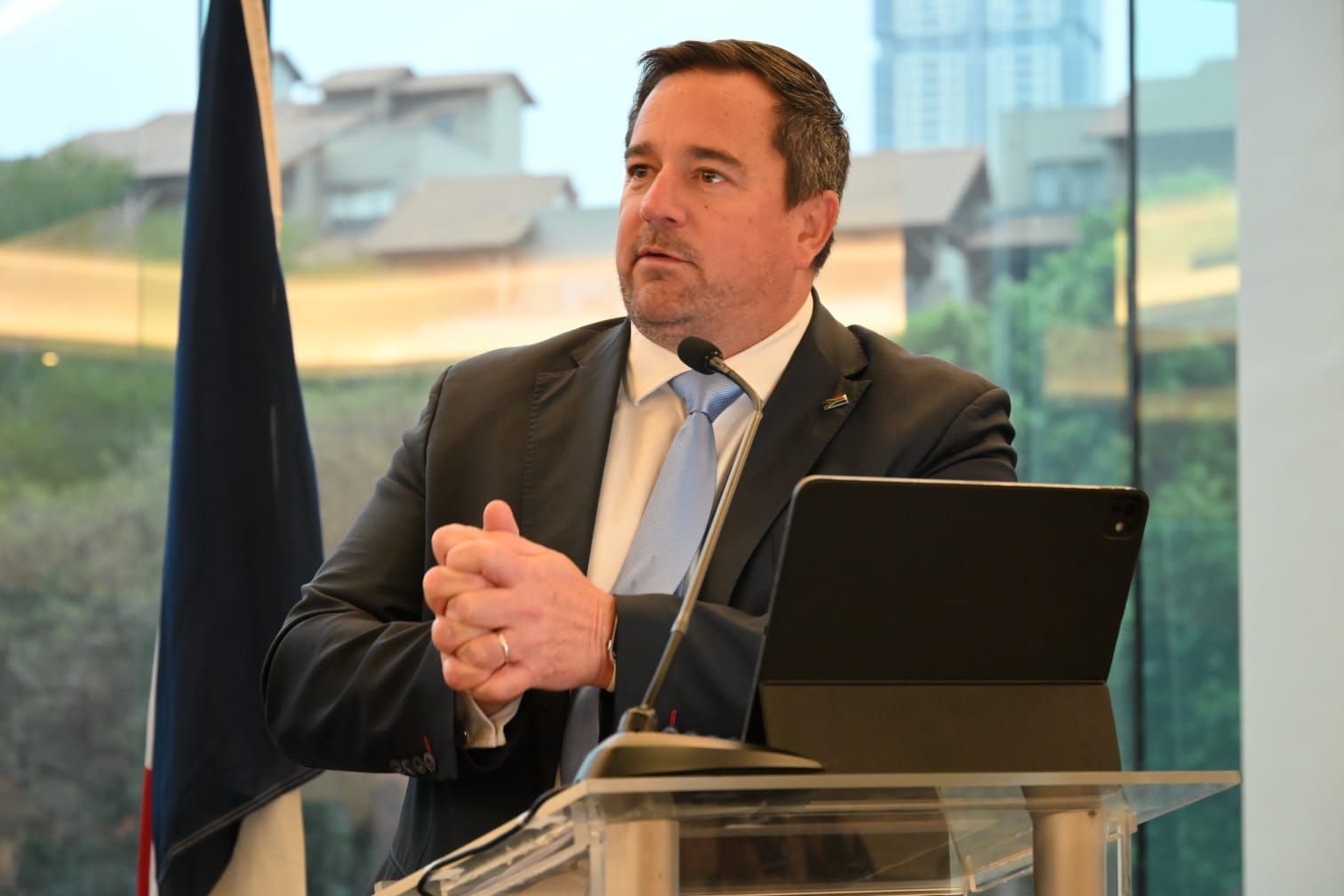
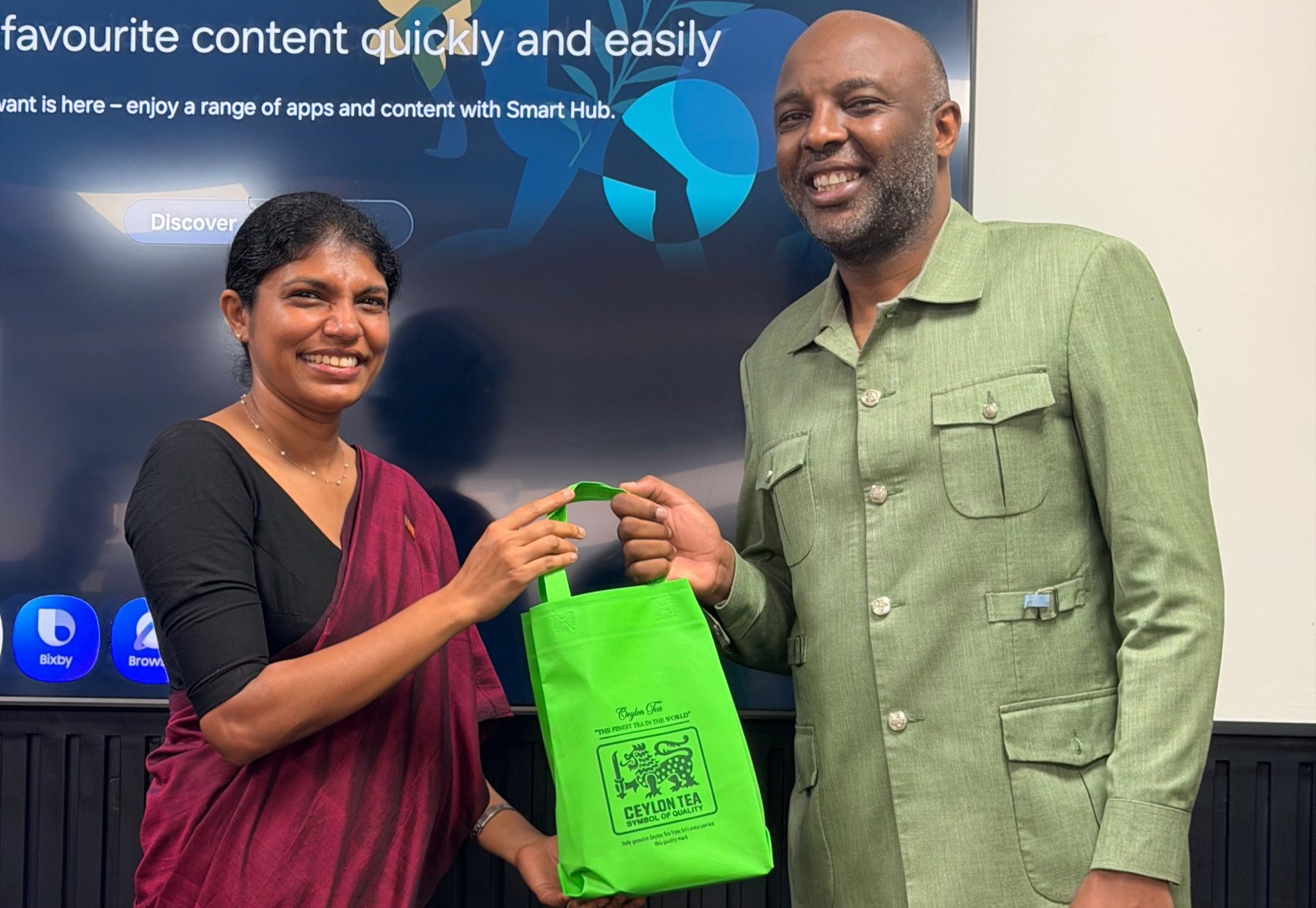
Governor Francis Irungu Kang’ata presented the Murang’a County Investment Plan to Sri Lanka’s Acting High Commissioner to Kenya, Ruvini De Silva, and a delegation from the Sri Lanka Association for Software and Services Companies (SLASSCOM) during a meeting in Nairobi on 23 September.
According to Sri Lanka’s Ministry of Foreign Affairs, Foreign Employment and Tourism, Kang’ata outlined the county’s investment opportunities and growing focus on digital transformation, information and communications technology (ICT) and BPO.
He also briefed the delegation on digital solutions being developed to improve public service delivery and drive technology-led economic growth, while inviting Sri Lankan investors and ICT companies to explore opportunities in Murang’a.
The SLASSCOM delegation outlined Sri Lanka’s expertise in software development, digital solutions, IT-enabled services and BPO. The association said it was seeking stronger partnerships with Kenyan companies and a role in the country’s digital transformation.
The discussions covered digital public services, ICT solutions, BPO, skills development and investment.
De Silva said closer links between Sri Lanka’s technology sector and Kenya’s expanding digital economy could create opportunities for private-sector partnerships and collaboration with county governments.
Murang’a’s investment push
The engagement with Sri Lankan technology companies forms part of an aggressive investment drive by Kang’ata, who has been positioning Murang’a as an alternative destination for investors looking beyond Nairobi.
Speaking at the second Murang’a Investment Dinner in Nairobi this week, Kang’ata said the county had raised Ksh120 million from activities at the Murang’a Industrial Park and outlined an ambition to develop a city bigger than Nairobi.
The county issued 44 allotment letters for 99-year leases in June, with several investors already developing their sites.
Kang’ata has also targeted companies from the United States, United Kingdom, Japan and China, saying the county wants to attract manufacturing expertise that can be transferred to local workers over the next 10 to 15 years.
ALSO READ: Kenya, US Deepen Trade And Security Ties As New Economic Framework Takes Shape
Technology has been part of that strategy.
The county automated revenue collection in January 2023, while Kang’ata told a county investment conference attended by President William Ruto last year that Murang’a wanted to become “the easiest place to do business”.
In May, the county launched a digital healthcare programme linking health facilities through satellite internet.
The latest approach to Sri Lankan technology companies suggests the county is now looking beyond manufacturing and infrastructure towards technology-enabled services and outsourcing.
Kenya looks beyond Nairobi for BPO jobs
The discussions come as Kenya seeks to spread its outsourcing industry beyond Nairobi and Mombasa.
Kenya’s digital economy supports more than 350,000 jobs, including more than 40,000 in BPO and global business services, according to ICT and Digital Economy Principal Secretary John Tanui.
Tanui said this month that the government wanted to take BPO jobs to other towns, including Nakuru, Nyeri, Kericho and Eldoret, as Kenya seeks to move the sector “up the value chain”.
The government has set a target of creating 500,000 BPO jobs, while Invest Kenya estimates that the sector grew by 18.8% between 2023 and 2024.
For counties such as Murang’a, the national push creates an opportunity to position themselves as lower-cost technology and outsourcing destinations while creating employment closer to smaller urban centres.
Sri Lanka looks to expand its digital exports
Sri Lankan technology companies, meanwhile, are looking for new international markets as the country’s knowledge economy expands.
SLASSCOM represents companies responsible for roughly 90% of Sri Lanka’s knowledge and innovation export revenue.
Its new chairman, Sampath Jayasundara, began his 2026/27 term with a target of building a US$5 billion knowledge and innovation export industry, with a greater emphasis on artificial intelligence, intellectual property and digital products rather than competing primarily on cost.
Prime Minister Harini Amarasuriya has also backed the US$5 billion digital export target.
The Murang’a meeting therefore fits into a broader economic diplomacy push by Sri Lanka to connect its technology companies with emerging markets.
The Sri Lankan High Commission also used the engagement to promote Sri Lanka Expo 2027, which will be held from 14 to 17 January 2027 at the Bandaranaike Memorial International Conference Hall in Colombo.
Organised by the Sri Lanka Export Development Board, the expo will showcase Sri Lankan exports, including ICT and business process management services, and offer pre-arranged meetings between foreign buyers, investors and Sri Lankan companies.
For Murang’a, the immediate challenge will be turning the investment pitch into actual technology companies, outsourcing contracts and jobs. For Sri Lanka, the opportunity is to turn its established technology capabilities into a larger presence in Kenya’s rapidly expanding digital economy.
Subscribe to Our Newsletter
Keep in touch with our news & offers
Thank you for subscribing to the newsletter.
Oops. Something went wrong. Please try again later.