GABORONE, Botswana — Cervical cancer remains a leading health challenge for women across sub-Saharan Africa, but Botswana is stepping up its fight against this silent killer.
The Ministry of Health, in partnership with the World Health Organisation (WHO) and other key players, has launched an ambitious national training initiative focused on equipping healthcare workers with advanced skills to detect and treat pre-cancerous cervical lesions.
Over a two-week period, medical professionals from districts including Good Hope, Mochudi, and Palapye gathered for intensive training aimed particularly at managing complex cases requiring interventions beyond basic screening methods.

Six doctors and a group of nurses were trained in advanced procedures such as thermal ablation and cryotherapy, treatments critical for halting the progression of cervical abnormalities before they develop into invasive cancer.
“Our goal is to ensure that both doctors and nurses are adequately trained to identify and manage cervical pre-cancer,” explained Thomamo Pheto, National Coordinator for the Cervical Cancer Prevention Programme at the Ministry of Health.
ALSO READ: Botswana President Says No To Tenders
“Many districts in Botswana still lack skilled personnel, and this training is designed to close that gap.”
Since the programme’s inception in 2015, more than 283 healthcare professionals have graduated from similar training sessions, marking significant progress through ongoing collaboration with the WHO and other development partners.
The Challenge of Early Detection
Despite improved availability of screening services, participation rates among Botswana’s women remain low. Pheto highlighted a critical barrier, the asymptomatic nature of early-stage cervical disease.
“When you have a pre-cancer, you don’t feel sick. There’s no pain, no discharge, so many women assume they’re fine,” she said. “This false sense of security is one of the reasons women don’t come forward for screening.”
ALSO READ: Botswana Unveils Economic Transformation Program to Diversify Economy and Boost Growth
Addressing populations who have never been screened before is a priority, as this group’s health status is largely unknown and they are potentially at greater risk.
WHO Botswana’s focal person for Noncommunicable Diseases, Dr. Tebogo Madidimalo, praised Botswana’s efforts and reiterated the country’s commitment to eliminating cervical cancer by 2030, an objective aligned with the WHO global targets.
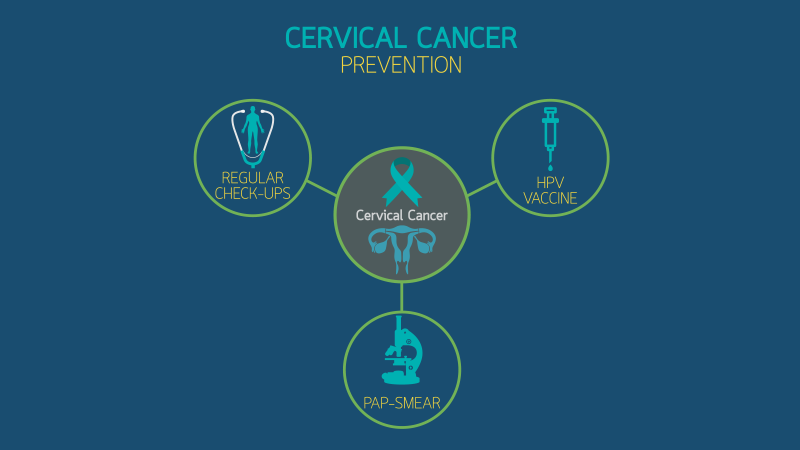
“Botswana is committed towards eliminating cervical cancer by 2030, and we all, particularly we healthcare workers, have a responsibility to ensure that women coming through our facilities are offered cervical cancer screening and timely follow-up care,” he said.
He further referenced Botswana’s strong track record in public health, citing successes in controlling communicable diseases as reasons for optimism about reaching cervical cancer elimination.
Beyond clinical training, the Ministry of Health aims to enhance community outreach to encourage more women, especially those aged 25 and above, to utilise screening services.
“Cervical cancer is a silent killer. By the time symptoms appear, it may already be too late. But with early detection, it is both preventable and treatable,” Pheto emphasised.