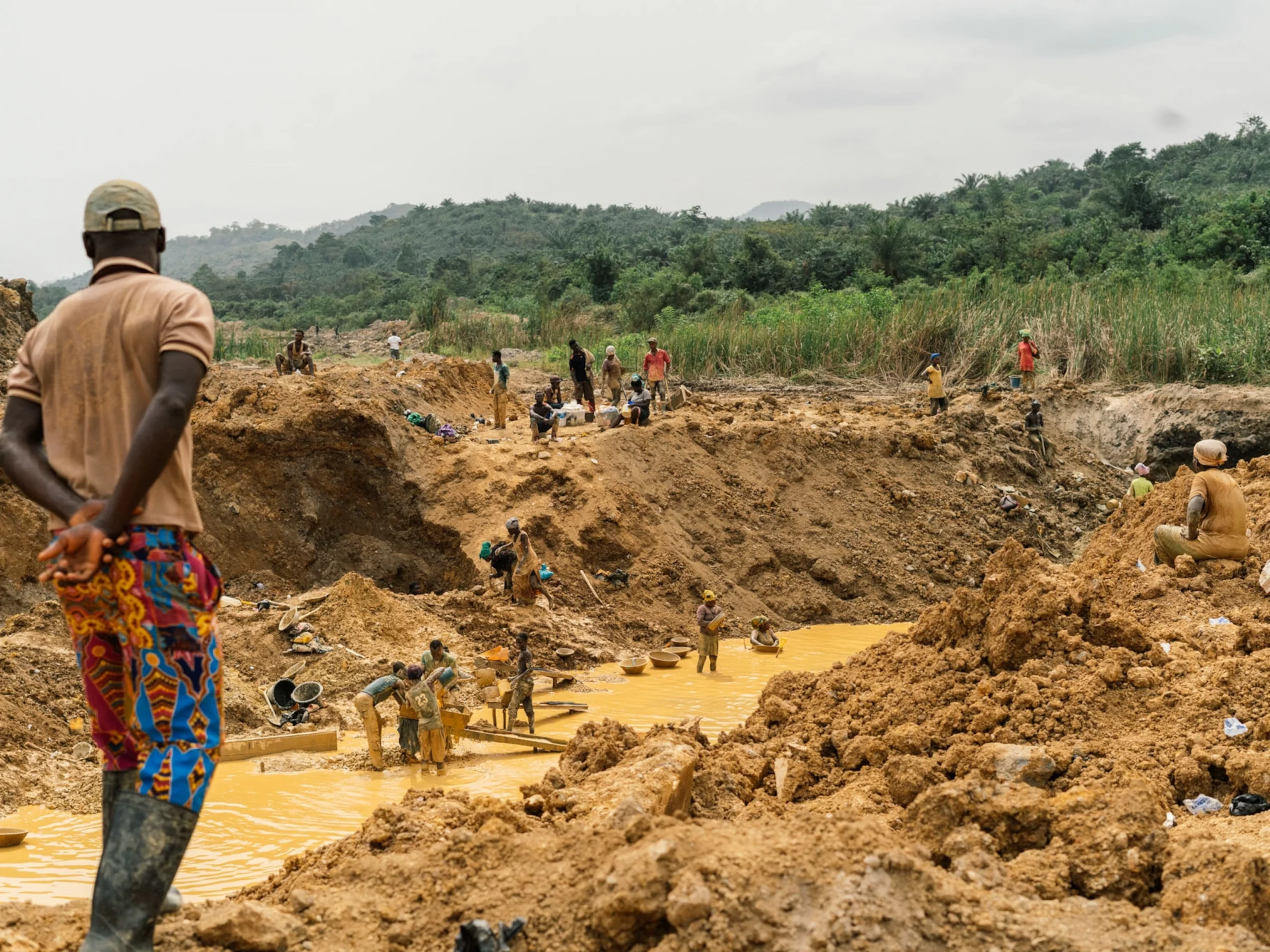
Mbabane, Eswatini – Eswatini is poised at a mining crossroads. While the country seeks to harness its mineral wealth to spur economic growth and rural livelihoods, it faces a complex paradox: rampant illegal artisanal gold extraction undermines sustainable development, environmental protection, and regulatory control.
In early 2025, the Ministry of Natural Resources and Energy, under Minister Prince Lonkhokhela, announced plans to introduce formal small-scale gold mining (SSM) as a strategic response to curb illegal artisanal gold mining in regions such as Piggs Peak.
Speaking before the House of Assembly Portfolio Committee, the minister voiced serious concern about mineral theft involving precious resources like green chert and gold, and committed to intensified security operations to contain the problem. Yet, he also acknowledged that formalising small-scale mining could turn informal, often environmentally and socially damaging activities into regulated, productive economic contributions.
The Promise and Peril of Artisanal and Small-Scale Mining
Eswatini’s challenges echo a broader African and global context. The nonprofit organisation Pact defines artisanal and small-scale mining (ASM) as an informal but vital economic sector involving millions worldwide who extract minerals, ranging from gold to cobalt and tin, using basic tools and methods.
This sector is double-edged. On one hand, ASM sustains nearly 45 million people globally, fueling rural economies where formal jobs are scarce, and helps deliver minerals essential for technologies from mobile phones to electric vehicles. On the other hand, the sector often operates in hazardous conditions with little oversight, generating environmental degradation, health risks, and sometimes human rights abuses such as child labour.
For countries like Eswatini, the challenge lies in formalising ASM. This means creating legal frameworks that provideminers with rights, training, environmental safeguards, and access to finance, transforming a shadowy economy into a legitimate pillar of national development.
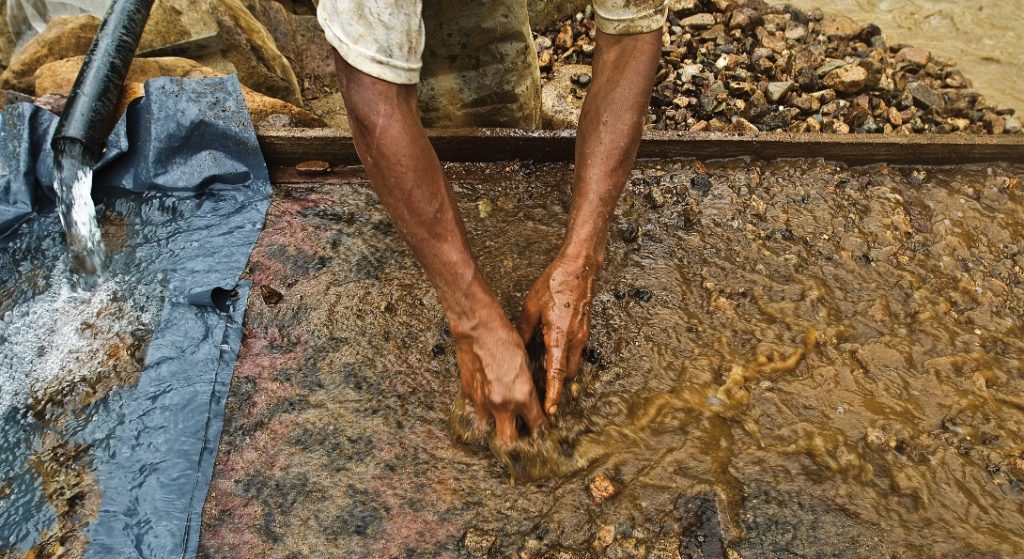
The government’s recognition that artisanal gold mining is a ‘scourge’ necessitating legal review follows years of fragmented regulation. Eswatini’s Minerals and Mining policies have long reserved certain mineral deposits and mining rights exclusively for indigenous citizens, and small-scale mining is seen as a potential tool for rural development.
However, regulation remains uneven. The Ministry of Natural Resources and Energy has embarked on efforts to train small-scale miners, covering licensing, environment and safety protocols, taxation, and labour laws.
ALSO READ: From Diamonds to Dirt: Sierra Leone’s Youth Dig Up New Hope from an Old Wound
Yet enforcement is patchy, and incidents such as the large-scale unauthorised extraction of green chert within the ecologically sensitive Malolotja Nature Reserve have spotlighted tensions between economic ambitions and conservation mandates.
Malolotja, home to ancient rock formations and cultural heritage, has seen controversial mining activity by companies such as Michael Lee Enterprises, operating with permits but without formal environmental authorisations. Concerns over the ecological damage, insufficient environmental assessment, and unclear adherence to national trust laws have drawn protests from conservationists and communities alike.
Balancing Economic Opportunity and Sustainability
The move to formally introduce small-scale gold mining in Eswatini offers opportunities to alleviate poverty, provide rural employment, and increase mineral revenue.
Official recognition and training could help miners adopt safer, more efficient, and environmentally responsible techniques. It might also unlock access to credit and markets, turning subsistence mining into a sustainable livelihood.
But challenges abound: lack of infrastructure, vulnerability to exploitation, and the need for stringent environmental safeguards. Without clear, enforceable frameworks, the risk remains that formalisation becomes merely regulatory rhetoric, while illegal mining and environmental degradation continue unchecked.
University of Lesotho mining expert Prof. Thabo Mkhize notes,
“Formalisation must go beyond legalising artisanal miners; it requires institutional support, community awareness, and close monitoring to truly transform the sector.”
ALSO READ: Unlocking Institutional Capital to Bridge the Infrastructure Gap
Eswatini’s efforts align with growing international momentum toward responsible ASM formalisation. The OECD and organisations like the African Mining Legislation Atlas have catalogued reforms across the continent, urging governments to harmonise national laws, promote social and environmental standards, and integrate ASM into national development strategies.
The 2021 National Action Plan for Eswatini to eliminate mercury use in artisanal mining is an example of international collaboration addressing environmental and health risks globally associated with small-scale gold extraction.
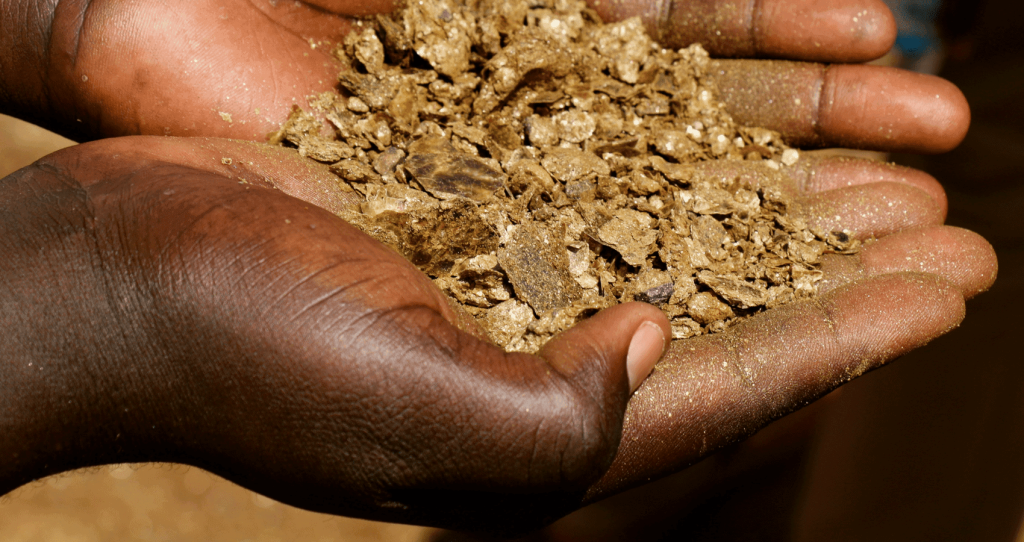
For many miners around Piggs Peak and other mineral-rich areas, artisanal mining is a lifeline. Jane Dlamini, a small-scale gold miner, shares her perspective.
“Before formal recognition, we mined secretly, fearing arrest. Training and licenses would help us mine safely and sell our gold legally, improving our income and dignity.”
Yet Jane is aware of the risks. “We need support to protect our water sources and ensure that mining doesn’t poison the land we depend on.”
The government’s commitment to working alongside security forces to quell illegal mining and the ongoing review of legal frameworks signal steps toward controlled, sustainable exploitation that benefits citizens and the national economy.
However, stakeholders caution that success depends on transparent governance, community participation, and balancingeconomic benefits with conservation.
The introduction of small-scale gold mining in Eswatini represents both a response to growing pressure from illegal activities and a hopeful pathway to empower rural communities, protect the environment, and solidify the mineral sector’s contribution to the country’s development.