By Bheki Dlamini
Pretoria, South Africa — The Presidency on Monday released the latest progress report on the implementation of actions arising from President Cyril Ramaphosa’s response plan to the State Capture Commission recommendations.
Covering developments up to the end of the fourth quarter of 2024/25, the report reveals significant strides in accountability, institutional reforms, and asset recovery, marking a turning point in South Africa’s long battle against systemic corruption.
Yet, while nearly half of the 60 identified actions are complete or substantially complete (48%), and another 23% are on track, a notable 29% remain delayed but are receiving attention, highlighting ongoing challenges in fully realising the reforms necessary to prevent future state capture and restore public trust.
Criminal Justice and Asset Recovery
The Integrated Task Force, led by the National Prosecuting Authority (NPA), continues to drive investigations into state capture-related crimes with a wide-ranging portfolio of 218 criminal investigative recommendations currently being acted upon. As of March 2025:
- 21% of cases have been resolved or enrolled for trial.
- Over half remain under active investigation.
High-profile cases moving towards trial include those connected to the Free State Asbestos Removal, SA Express, Bosasa, and Transnet contracts, cases that have riveted public attention for years.
ALSO READ: President Ramaphosa Suspends South Gauteng Director of Public Prosecutions Amid Inquiry
Four convictions related to state capture have been handed down so far, indicating progress on the judicial front.
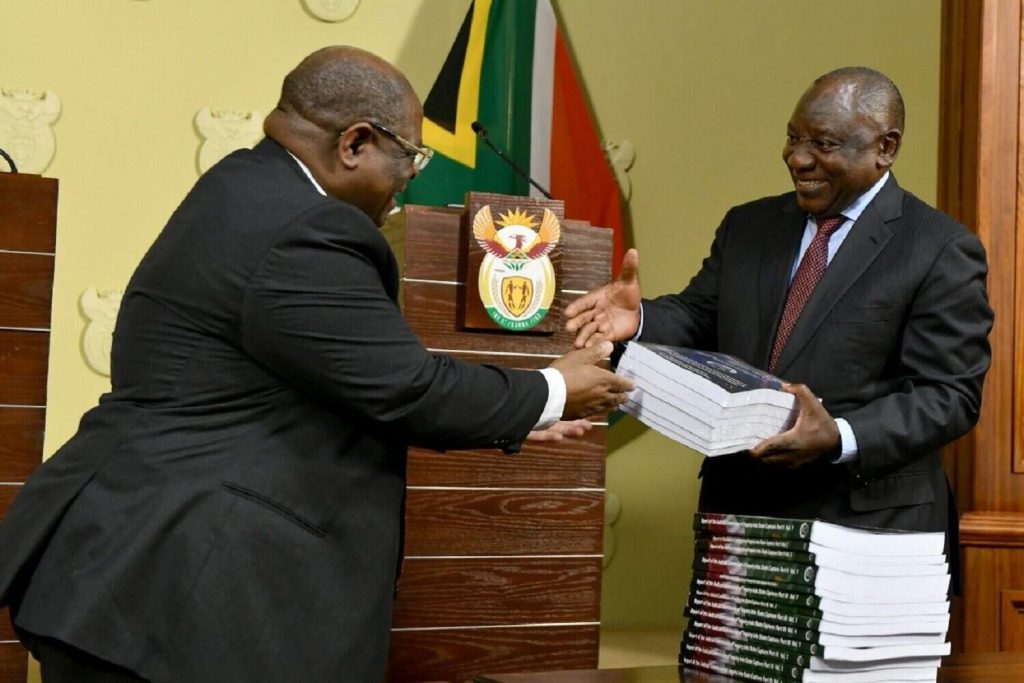
The government has also succeeded remarkably in recovering nearly R11 billion in stolen public funds, up from just R2.9 billion in October 2022. This includes:
- R2.9 billion recovered by the Special Investigating Unit.
- R8 billion recovered through the Asset Forfeiture Unit.
Assets valued at R10.6 billion remain under restraint or preservation orders, suggesting further sizable recoveries in the pipeline. Key settlements include a R2.55 billion recovery from ABB, and over R2.2 billion combined from McKinsey and SAP.
Building Resilience Against Future Capture
A series of landmark legislative and institutional reforms is underpinning efforts to harden state institutions against corruption.
- Investigating Directorate Against Corruption (IDAC): Established as a permanent entity under the National Prosecuting Authority Amendment Act of 2024, IDAC commenced operations in August 2024 with enhanced criminal investigation powers focused on corruption.
- Anti-Money Laundering Enhancements: The General Laws Amendment Act of 2022 addressed deficiencies cited by the Financial Action Task Force (FATF), leading to a 40% increase in compliance with anti-money laundering standards from 2023 to 2024.
- Public Procurement Reform: The Public Procurement Act of 2024 consolidated fragmented procurement regulations into a unified framework aimed at transparency and curbing corruption.
- Intelligence Services Overhaul: The General Intelligence Laws Amendment Act (2025) disbanded the State Security Agency, reinstating two separate entities—South African Intelligence Service and South African Intelligence Agency. This reform strengthens oversight and mirrors the pre-2009 structure.
- Public Sector Professionalisation: Through the National Framework for Public Sector Professionalisation, government departments have instituted mandatory lifestyle audits for senior officials and supply chain staff, with 138 departments onboard by 2024.
Corporate Accountability and Legislative Milestones
The Companies and Intellectual Property Commission has completed reviews of 10 implicated private sector entities, with six investigations ongoing. Notably, Bain & Co was barred from state contracts for a decade (2022-2032).

Professional bodies have disciplined implicated individuals, including the disbarment of a chartered accountant by the South African Institute of Chartered Accountants with a R6.1 million fine.
Key legislative achievements include:
- Electoral Matters Amendment Act (2024): Criminalises donations given to political parties expecting contracts or influence in return.
- Judicial Matters Amendment Act (2023): Introduces corporate liability for failure to prevent corruption.
- Companies Second Amendment Act (2024): Extends time limits for director delinquency proceedings.
- General Intelligence Laws Amendment Act (2024): Reforms intelligence services and oversight mechanisms.
While the report reflects meaningful progress, President Ramaphosa emphasised that sustained vigilance is essential.
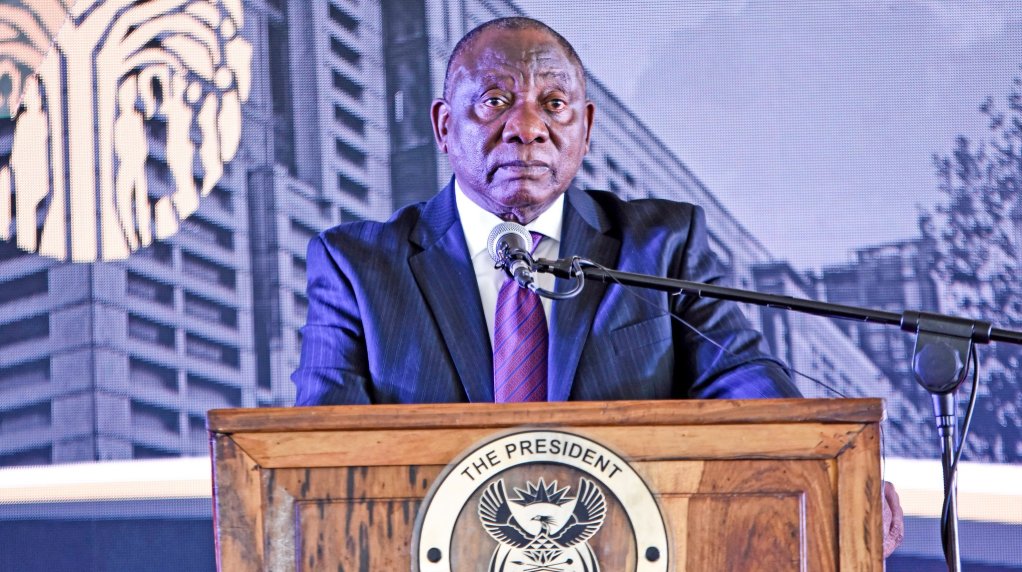
“The effectiveness of these reforms will ultimately be measured by their ability to prevent future occurrences of state capture and restore public trust in state institutions,” he stated.
Key priorities for the coming 2025-2026 period include:
- Accelerating high-profile prosecutions and introducing new cases to court.
- Finalising and presenting the Whistleblower Protection Bill to Parliament.
- Completing the National State Enterprises Bill as part of State-Owned Enterprises (SOE) governance reforms.
- Enacting SARS Act amendments in line with the recommendations of the Nugent Commission.
- Advancing anti-corruption architecture proposals currently under executive consideration.
Public Trust
The State Capture Commission exposed deep-rooted rot within South African state institutions, shaking public confidence and threatening governance. This progress report demonstrates renewed political will and concrete action to address those vulnerabilities.
ALSO READ: How Commissions in South Africa Perpetuate Systemic Violence and Delay Justice
However, the delayed implementation of nearly a third of the actions underscores the complexity of the challenge. Judicial backlogs, investigative capacity, and institutional inertia remain obstacles to be overcome.
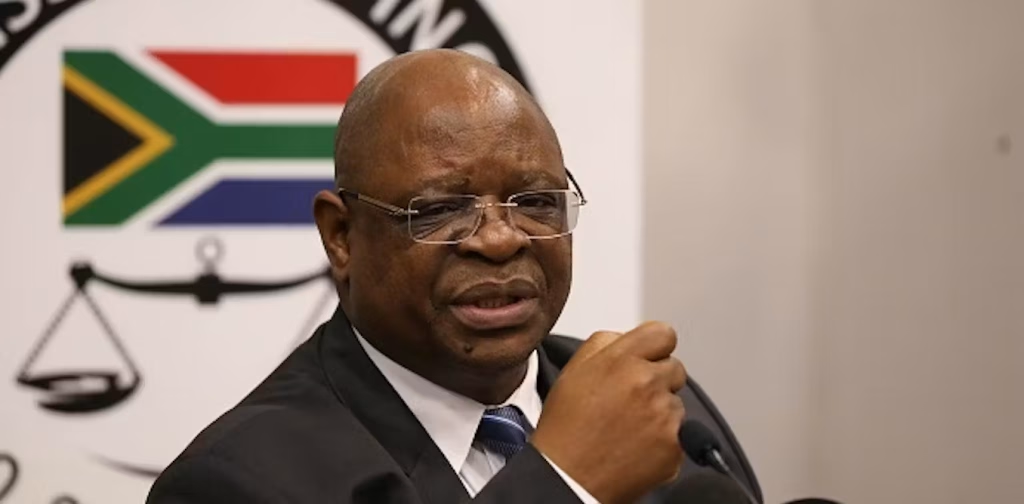
Nonetheless, the nearly R11 billion recovered, the establishment of robust investigative bodies, and sweeping legislative reforms send a strong message that accountability and reform are being pursued with urgency.
The full progress report is available on The Presidency website: https://tinyurl.com/25rx85j