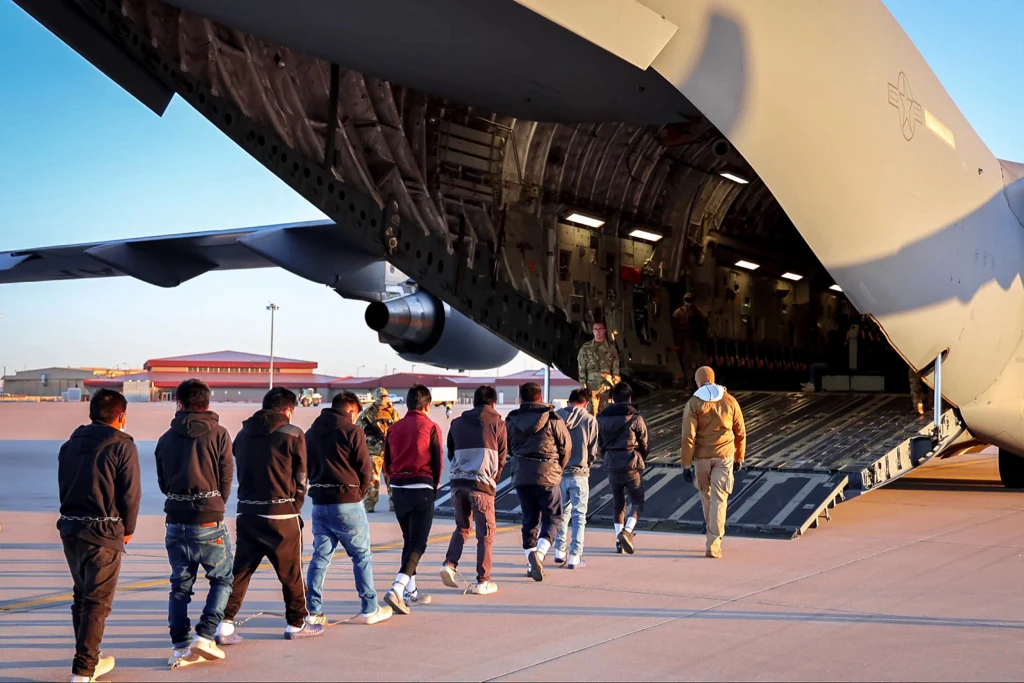
While South Africa grapples with severe prison overcrowding and the limited effectiveness of legislation meant to ease this burden, neighbouring Eswatini is quietly transforming its correctional infrastructure and gaining international relevance as a destination for third-country deportees, notably from the United States.

By Bheki Dlamini
Southern Africa’s correctional systems are revealing contrasting trajectories, shedding light on the region’s broader struggles with justice, human rights, and institutional capacity.
While South Africa grapples with severe prison overcrowding and the limited effectiveness of legislation meant to ease this burden, neighbouring Eswatini is quietly transforming its correctional infrastructure and gaining international relevance as a destination for third-country deportees, notably from the United States.
South Africa’s Overcrowding Crisis: Legislative Hurdles and Human Costs
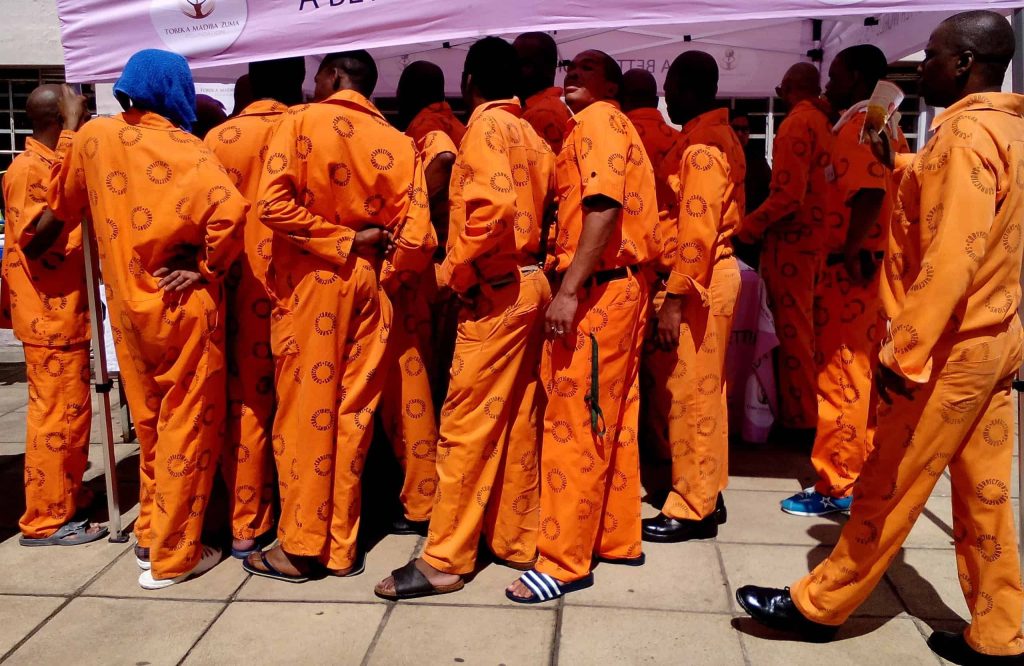
In a recent briefing to the Portfolio Committee on Correctional Services, South Africa’s Department of Correctional Services (DCS) outlined ongoing challenges faced by the prison system. Despite legislative attempts to alleviate overcrowding through mechanisms in Section 49G of the Correctional Services Act and Section 62F of the Criminal Procedures Act, success has been minimal.
- Section 49G mandates that remand detainees (those awaiting trial) should not be held longer than two years without judicial review.
- Section 62F allows courts to place accused persons under supervised correctional supervision as an alternative to custody.
Chairperson of the Correctional Services Committee, Ms Kgomotso Anthea Ramolobeng, expressed concern at the extremely low success rates, with some provinces like the Eastern Cape consistently showing near-zero efficacy.Nationally, only about 1.25% of cases referred under Section 49G in 2022/23 led to reduced prisoner numbers.

Compounding the issue, approximately 40% of sentenced offenders serve sentences longer than 15 years, including life imprisonment, meaning that bed availability is severely constrained as inmates remain incarcerated for extended periods. This results in chronic overcrowding in correctional facilities nationwide, threatening inmate welfare, safety, and rehabilitation efforts.
Ms Ramolobeng urged stronger capacity-building in community corrections to inspire judicial confidence in supervised alternatives to incarceration. The committee plans to escalate these concerns with the Minister of Justice and promote more effective implementation of existing laws as a path toward easing facility pressures.
Eswatini’s Correctional Renaissance: Matsapha Model and International Cooperation
In stark contrast, Eswatini’s recently revamped Matsapha Correctional Centre Institution (MCCI)represents a beacon of modern correctional practice in the region.
The facility has undergone extensive rehabilitation and expansion, boasting capacity for over 4,000 inmates while currently housing around 1,000.
READ MORE: U.S. Deportation Policy Sends Criminal Migrants to Eswatini Under New Third-Country Rule
This surplus capacity offers not only relief for Eswatini’s own system but also potential to support cross-border corrections initiatives.
Recently, the MCCI gained prominence by receiving five convicts repatriated from the United States via third-country deportation agreements, transferees whose countries of origin declined to accept them. This policy reflects growing international trends around migration and deportation cooperation.
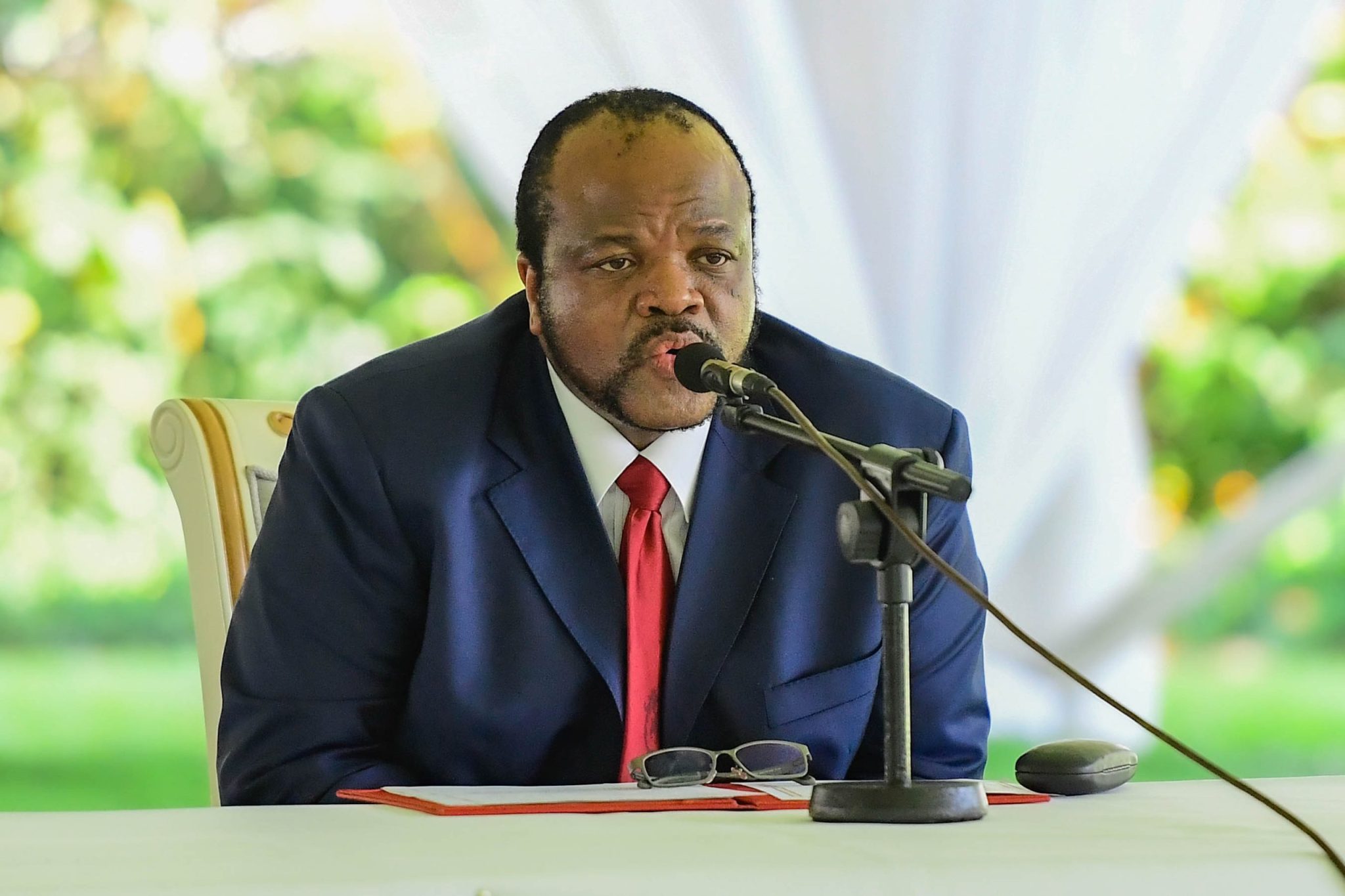
Government spokesperson Thabile Mdluli emphasised that the deportees pose no security threat, are housed in isolated units, and are aided by the International Organisation for Migration to eventually return to their home countries. Discussions between Eswatini’s government and UN agencies continue to outline sustainable pathways for their reintegration.
Beyond increased capacity, MCCI’s philosophy prioritises humane treatment, rehabilitation, and skills development, aligning with international standards such as the Nelson Mandela Rules.
Vocational training and correctional labour schemes support inmates in preparing for productive post-release lives, with many success stories emerging from those already reintegrated.
Prime Minister Russell Mmiso Dlamini underscored Eswatini’s openness to future repatriation and deportation agreements that respect national interests and uphold human rights, highlighting a careful balance between leveraging correctional capacity and ethical governance.
A Regional Perspective: Challenges, Opportunities, and Ethical Complexities
The juxtaposition between South Africa’s overcrowded and overstretched system, hampered by legislative bottlenecks and a high proportion of inmates serving long sentences and Eswatini’s modern, underutilised facility capable of accommodating deportees signals regional disparities in corrections and justice administration.
Several key points emerge:
| Aspect | South Africa | Eswatini |
| Prison Overcrowding | Severe; low legislative success rates | Controlled; significant unused capacity |
| Long-Term Incarceration | ~40% serving 15+ years or life sentences | Much lower; focus on rehabilitation |
| Legislative Efficacy | 1.25% success nationally (Section 49G applications) | Not applicable (small, modernized system) |
| Role in International Deportations | Limited; overwhelmed system | Emerging hub; participates in US third-country deportations |
| Correctional Philosophy | Overcrowding strains safety/rehabilitation | Humanistic, rehabilitation-oriented |
South Africa’s ongoing overcrowding crisis shines a harsh light on the urgent need for systemic reform, strengthening community corrections, judicial confidence, and alternative sentencing to relieve pressures. Without such reforms, human rights concerns and systemic strain will escalate.
Meanwhile, Eswatini’s expanding corrections infrastructure, combined with its willingness to host deportees under humane conditions, offers a potential model for regional cooperation and innovative solutions to shared correctional challenges. Yet, this role is not without controversy and demands careful navigation of security, diplomacy, and humanitarian obligations.
Future Prospects
For countless inmates in South Africa, overcrowding means hardship, increased risk of violence, and diminished access to rehabilitation programs. Conversely, for transferred deportees entering Eswatini’s system, MCCI offers a rehabilitative environment designed to support dignity and reintegration, albeit amid ongoing societal debate.
Both countries face complex questions: How to balance security with human rights? How to manage correctional populations sustainably? How to integrate international cooperation in sensitive deportation cases?
As the Southern African region grapples with these imperatives, lessons from Eswatini’s corrections transformation may inform South Africa’s reform efforts and vice versa, pointing to the benefits of collaboration over fragmentation.
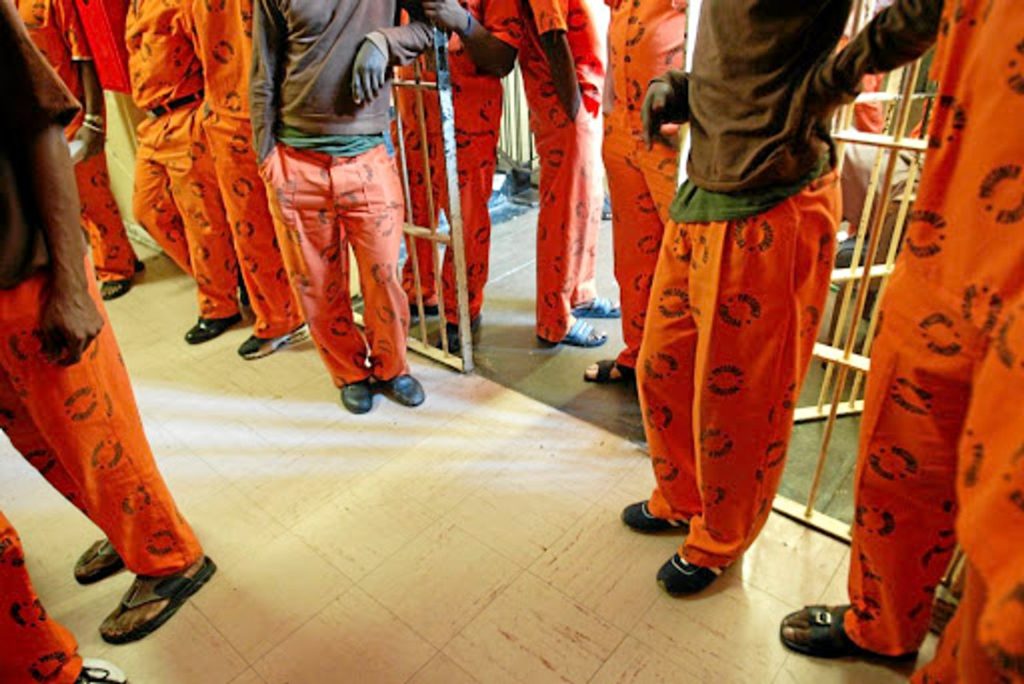
The contrasting correctional realities of South Africa and Eswatini reflect broader challenges and opportunities faced by Southern Africa in managing justice systems in times of social and political transition. South Africa’s legislative struggles and overcrowded prisons demand urgent, effective intervention.
Eswatini’s modern facility and engagement in third-country deportations suggest a new dimension of corrections diplomacy and infrastructure utility.
Ultimately, realising human dignity and safety behind bars, advancing rehabilitation, and ensuring justice requires concerted commitment across governance, policy, and communities, embracing lessons from neighbours and adapting to emerging global realities.