By Bheki Dlamini
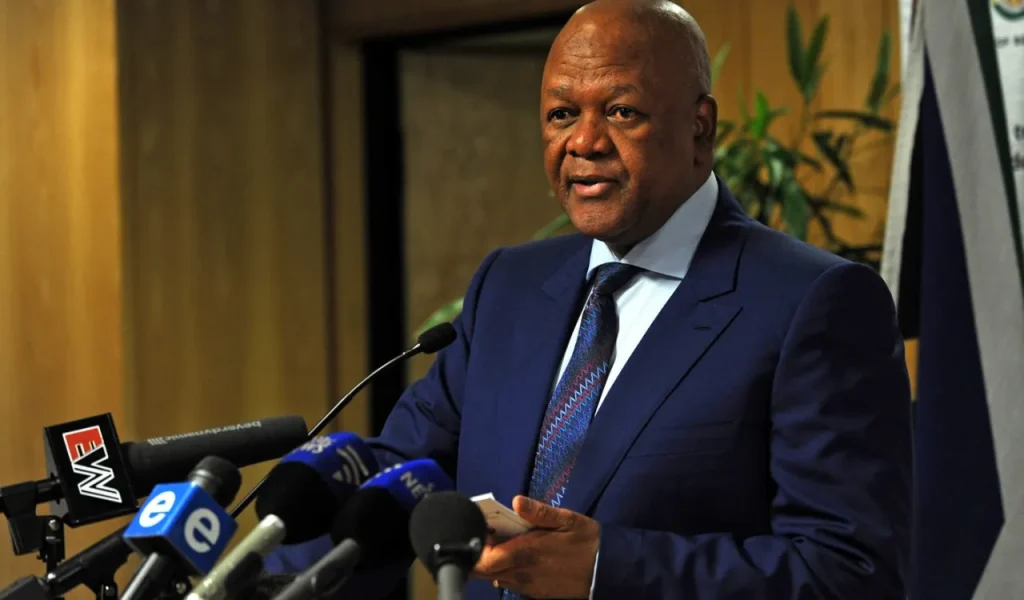
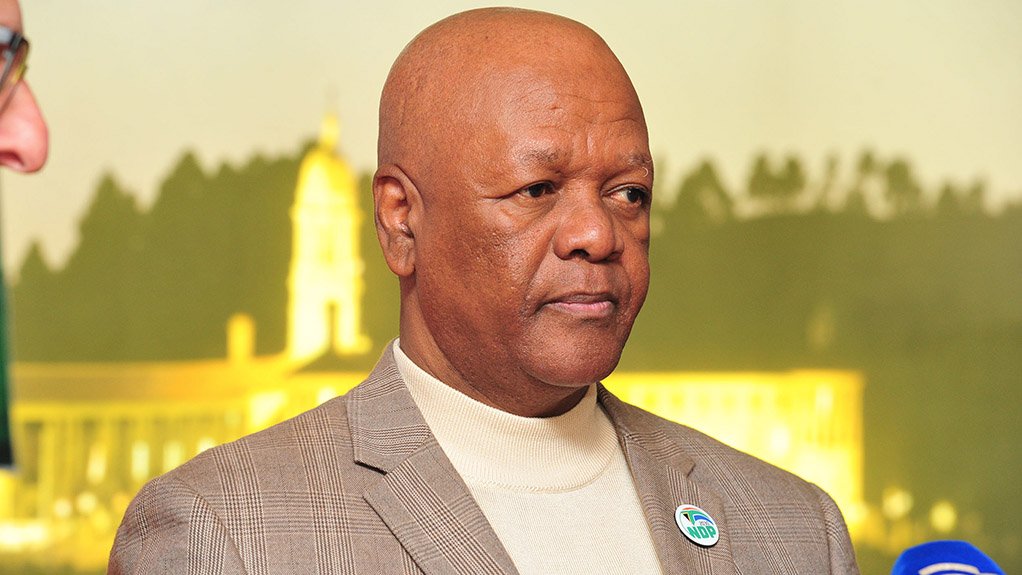
Pretoria, South Africa — On the 70th anniversary of the Freedom Charter, Honourable Jeff Radebe, ANC KwaZulu-Natal Provincial Convenor, delivered a stirring lecture at UNISA, reflecting both on the historic significance of this foundational document and the urgent challenges South Africa faces today.
His address highlighted the enduring legacy of the Charter as South Africa’s moral compass and called for a renewed commitment to justice, transformation, and inclusive democracy amid growing socio-economic inequalities.
The Freedom Charter: Born from the People’s Voice
Radebe emphasised that the Freedom Charter was not conceived in elite circles but emerged from the collective aspirations of ordinary South Africans.
In 1953, a bold vision for a national convention was proposed to gather widespread voices, culminating in the 1955 Congress of the People in Kliptown. Despite police intimidation, more than 3,000 delegates ratified a document beginning with the clarion call: “The People Shall Govern!”
The Charter was initially a people’s manifesto, only formally adopted by the ANC in 1956 as the blueprint for shifting from struggle to governance. It inspired key policy documents, including the 1992 Ready to Govern, the 1994 Reconstruction and Development Programme, and South Africa’s progressive Constitution, underlining the Charter’s continuing relevance.
Transformation Achieved and Gaps Remaining
Since 1994, significant strides have been made toward the Charter’s goals: nearly 4 million homes built, universal public school enrollment, expanding support for over a million tertiary students through NSFAS, and social grants reaching more than 18 million citizens.
Access to electricity soared from 36% in 1994 to over 90% today, with rural electrification and national broadband projects illustrating progress. Economic initiatives have also boosted township enterprises and black industrialists.
ALSO READ: Is Lack of Discipline the ANC’s Downfall?
Yet Radebe was unequivocal in recognising the stark contradictions: South Africa remains among the world’s most unequal nations. Wealth concentration, corruption, and governance failures threaten the democratic promise. Millions still lack water, electricity, safety, and jobs, realities that starkly contrast with the Charter’s vision.
The National Dialogue: A New Kliptown for Modern South Africa
Citing the upcoming National Dialogue commencing on August 15, 2025, Radebe called for a forum as inclusive and radical as the original Congress of the People. This Dialogue must involve the full spectrum of South African society, especially marginalised voices, moving beyond technocracy to collective authorship.
He urged youth leadership and community-driven innovation, embedding professionals and academics within grassroots efforts to co-create solutions addressing digital exclusion, climate change, and economic upheaval.
Local Government Crisis and Economic Injustice
Radebe highlighted the municipal collapse reflected in the 2024 Auditor-General report, pointing to widespread service failures in water, electricity, and social grants, a direct violation of constitutional duties. He lamented the plight of skilled South African pilots overshadowed by foreign capital dominance and denounced illicit financial flows draining the country’s resources, equating these practices with modern economic colonialism that undermines development and deepens inequality.
Reflecting on history, Radebe contrasted apartheid’s “rule by law”, law used as oppression, with South Africa’s post-apartheid foundation of constitutional supremacy and justice.
ALSO READ: Paul Biya Announces Bid for Eighth Presidential Term
However, he warned that some new political forces seek to overturn these gains by promoting racial chauvinism and parliamentary dominance over constitutional checks, threatening the nation’s non-racial, inclusive democratic ethos.
International Solidarity and Foreign Policy Integrity
Radebe reaffirmed the ANC’s proud history of international solidarity, cautioning against former leaders who contradict the country’s principled foreign policy on issues like Western Sahara. He stressed that the state’s positions, grounded in international law and AU consensus, must be defended to maintain national dignity and credibility.
The Freedom Charter’s promise of work and land remains elusive for many. Radebe underscored the rise of precarious labour conditions and called for renewed alliances with workers to fight for labour reforms, social protections, and wage justice.
Regarding land reform, he acknowledged significant delays and bureaucratic hurdles in restituting and redistributing land, urging concrete action. Proposed measures include establishing a Land Justice Commission, Land Valuation Tribunal, enhancing the State Land Bank’s role, taxing underutilised urban land, and integrating customary land tenure reforms, efforts aimed at swift, equitable outcomes without undermining investment.
He further called for democratising economic ownership by supporting black industrialists, local manufacturing, township enterprises, and redirecting pension and sovereign funds into transformative investments.
A Call to Bold Renewal: The Freedom Charter’s Living Legacy
Closing on a hopeful note, Radebe exhorted South Africans to view democracy not as a static inheritance but a continuous project demanding courageous renewal.
The ANC must actively embody the Charter’s mission, bridging thought and action, honouring diverse voices, and fostering generative disagreement that strengthens national unity.
He posed a powerful challenge: Will the Freedom Charter become a relic of betrayed dreams or bloom anew in 2025 and beyond, driven by the same audacity and vision that united those gathered in Kliptown 70 years ago?
With profound conviction, he concluded:
“Now is the time, not for fear, not for retreat, but for the bold renewal that our country deserves, especially by the driving forces of our people.”