NEW YORK – After nearly three years of fighting, Sudan’s war has hardened into one of the gravest humanitarian disasters in the world, with civilians continuing to bear the overwhelming cost of a conflict they did not choose.
Aid agencies marked 1,000 days of war on Friday with stark warnings that the situation is deteriorating, not improving. According to the United Nations Office for the Coordination of Humanitarian Affairs (OCHA), the conflict has produced the world’s largest hunger crisis and its biggest displacement emergency, even as international funding falls dangerously short.
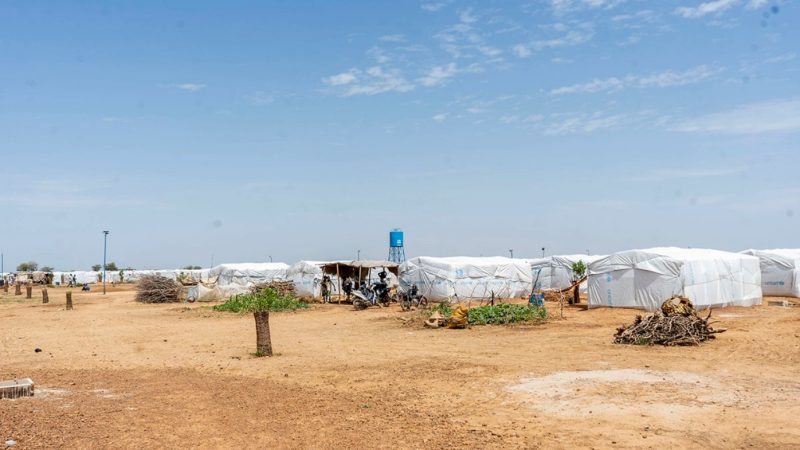
Latest UN figures show that 9.3 million people have been displaced within Sudan since fighting erupted in April 2023. A further 4.3 million have fled across borders into neighbouring countries, placing enormous strain on already fragile regions in Chad, South Sudan, Egypt, Ethiopia and beyond. More than 21 million people inside Sudan are now acutely food insecure.

“Every day, civilians are paying the price for a war they did not choose,” OCHA said, describing a population trapped between ongoing violence, collapsing services and shrinking humanitarian support.
ALSO READ: Sudan’s Women Rebuild with Resilience and Kindness: Stories of Courage Amid Crisis
While some displaced families have begun returning to Khartoum, the capital remains unsafe. Aid agencies warn of unexploded ordnance scattered across neighbourhoods, damaged infrastructure and limited access to basic services. Outside the capital, the conflict shows little sign of easing.
Fighting continues across multiple fronts in Kordofan, where sieges have cut off entire towns from food, healthcare and markets. OCHA spokesperson Jens Laerke told journalists in Geneva that the towns of Kadugli, the capital of South Kordofan state, and Dilling to the north, have been effectively isolated, leaving civilians with dwindling supplies and little protection.
In Darfur, violence remains relentless. Ground fighting continues alongside drone attacks, while long-range strikes have hit civilian infrastructure far from active front lines. Aid agencies say these attacks are compounding an already catastrophic situation in a region that has endured decades of conflict.
Children have been among the most vulnerable victims. Earlier this week, eight children were reportedly killed in an attack in Al Obeid, North Kordofan, amid clashes between the Sudanese Armed Forces and the paramilitary Rapid Support Forces.
UNICEF estimates that an average of 5,000 children have been displaced every single day since the conflict began. Many have been forced to flee multiple times as violence follows them from one location to the next.
“Many have been displaced not once but repeatedly, with violence following them wherever they flee,” said UNICEF spokesperson Ricardo Pires.
Beyond displacement, children face extreme risks of abuse. UNICEF has warned that millions are vulnerable to sexual violence, with reported cases including infants. “Behind every one of these numbers is a child, frightened, hungry, sick and wondering why the world has not come to help,” Pires said.
Women and girls are also facing what OCHA describes as rampant sexual violence and abuse. An estimated 12 million people, the majority of them women and girls, are at risk of gender-based violence. The economic fallout of the war has deepened this vulnerability. Female-headed households are now three times more likely to be food insecure, and three-quarters report that they do not have enough to eat.
As needs have soared, funding has moved in the opposite direction. The UN says the global humanitarian funding crisis has severely undermined its ability to respond. Of the $4.2 billion requested for Sudan last year, only 36 per cent was ultimately funded by donors.
ALSO READ: From aid worker to refugee and back in war-torn Sudan
That shortfall has forced aid agencies to make painful choices about who they can and cannot help. For 2026, OCHA plans to assist 20 million people out of nearly 34 million believed to be in need across the country. The response plan has been costed at $2.9 billion, a figure humanitarian officials fear may again prove difficult to secure.
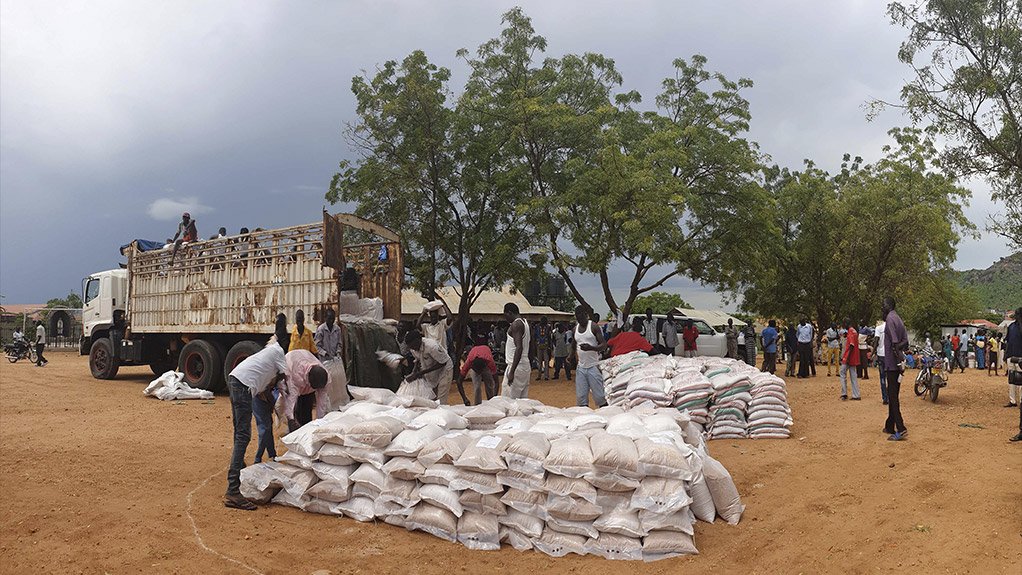
The consequences of underfunding are already visible. Food distributions have been scaled back, health facilities are closing or operating with minimal supplies, and protection services for women and children are stretched thin. Neighbouring countries hosting millions of Sudanese refugees are also struggling, raising concerns about regional instability if the crisis continues unchecked.
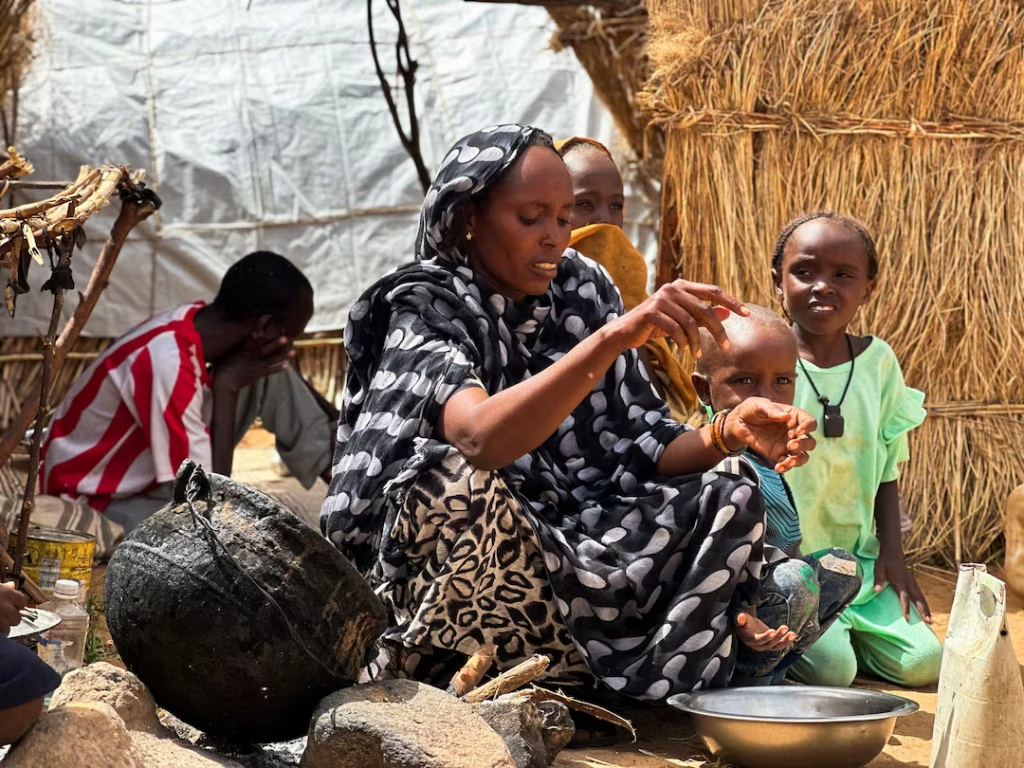
OCHA has renewed its call for an immediate cessation of hostilities and meaningful steps towards a lasting political settlement. Aid agencies are also demanding adherence to international humanitarian law, including the protection of civilians, aid workers and civilian infrastructure, and unfettered humanitarian access across conflict lines.
“Today our call is urgent,” Laerke said. “First, an immediate cessation of hostilities and real steps towards a lasting peace. Second, adherence to international humanitarian law with access facilitated across conflict lines and protection of civilians.”
As Sudan enters its fourth year of war, aid agencies warn that without sustained international engagement, both political and financial, the crisis risks becoming even more entrenched.