By Bheki Dlamini
JOHANNESBURG, South Africa – Adam Ibrahim’s life is a story of courage, heartbreak, and unyielding hope in Sudan’s darkest days. Once an aid worker, his world turned upside down when conflict erupted in early 2023, forcing him and thousands into displacement.
At home in Zalingei, Central Darfur’s capital, Adam was preparing his daughter for exams when gunfire shattered the quiet. Distant shots quickly turned to street battles, cutting power and internet and making neighborhoods war zones. “I rushed to get food and water. I kept my phone charged to send updates to OCHA, giving me purpose,” he says. But when danger grew, fleeing was the only choice.
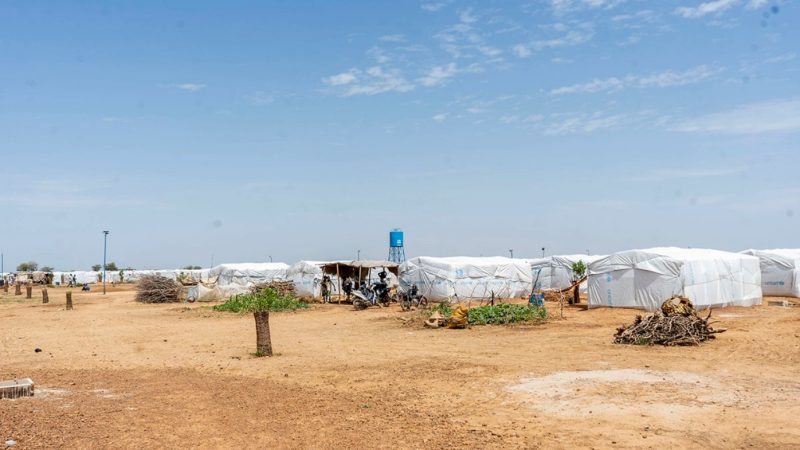
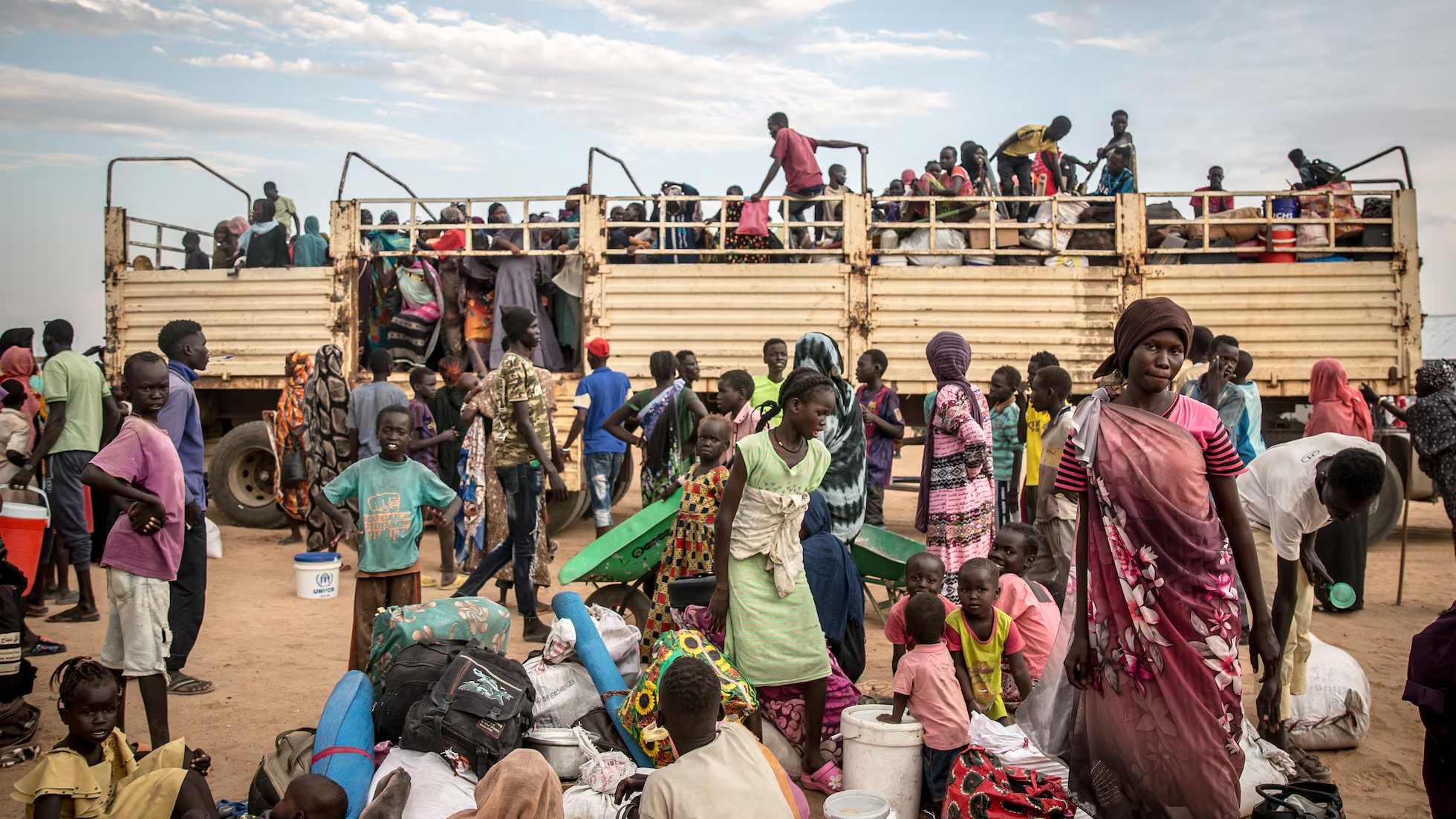
With his family of ten, Adam began a harrowing 23-day journey, crossing Nyala, Kosti, and South Sudan before reaching Uganda, a beacon of stability and safety. “We left behind much more than belongings,” he says, “we left a life built with love and hope.”
ALSO READ: Hunger mounts, cemeteries grow in Sudan’s besieged al-Fashir
Without passports or formal refugee camps, their path was difficult, but kindness from migration authorities and asylum in Kampala gave them a fragile new start. Adam enrolled his children in school and worked online, shifting from aid provider to recipient.
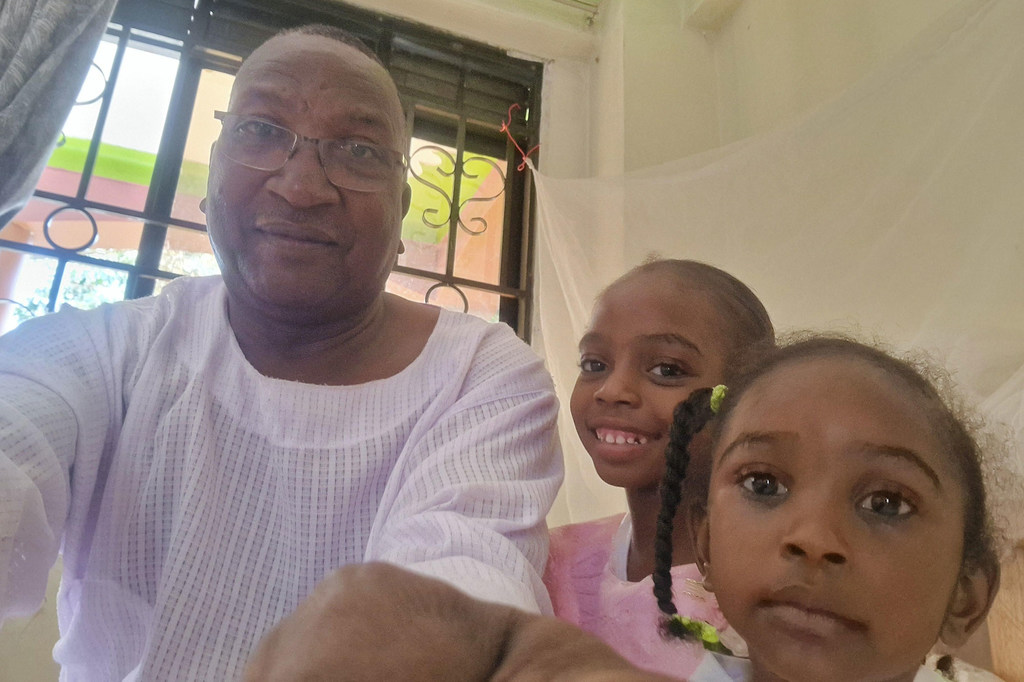
Yet, the call to return was strong. Months later, with a heavy heart, he left his family in Uganda to go back to Darfur, compelled to continue the critical work amid devastation. What he found was a changed Zalingei: scarred buildings, looted homes, and families displaced by violence.
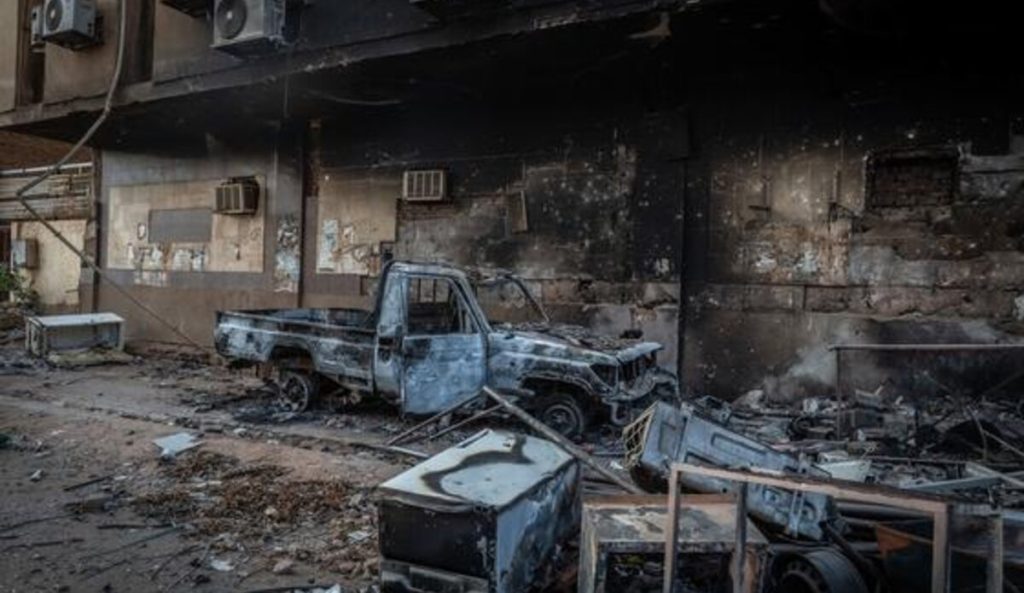
His family’s house was occupied, windows shattered, possessions vanished, including cherished school certificates and photographs. The streets echoed with tension; the presence of armed men and armed children as young as 15 was a grim reminder of the relentless conflict.
ALSO READ: SADC Ministers Confront Regional Food Security Crisis
Adam soon moved to El Geneina, a town in West Darfur devastated by ravaging violence. There, streets were littered with burned-out military vehicles, and armed patrols were a constant. The humanitarian needs were staggering—food, shelter, medicine, clean water—but funding cuts meant resources were painfully scarce. Despite these immense challenges, Adam and his colleagues managed to reach over 800,000 displaced people between 2023 and 2025.
He also coordinated cross-border convoys from Chad, which became lifelines, delivering vital supplies to isolated communities. Yet, the cost was personal: Adam remains in Sudan, separated from his family in Uganda, visiting them only once a year. The pain of separation is deep, but his resolve is stronger.
Sudan remains one of the world’s largest humanitarian crises, with more than 30.4 million people, over half of the population, in urgent need. The ongoing violence and critical funding shortages have left millions vulnerable. But through Adam’s story, we see amid the wreckage threads of resilience, sacrifice, and hope. His journey from aid worker to refugee and back underscores the profound human cost of conflict—and the enduring spirit of those who choose to stand and serve, even when their own world is torn apart.
On this World Humanitarian Day, Adam’s story calls us to remember that behind every statistic is a human life marked by courage, family, and the unbroken will to rebuild.