Regulator bans immune boosters linked to nausea, diarrhea in children; parents urged to return products as experts warn of overdose dangers in Africa’s malnutrition hotspots.

PRETORIA – For many parents, especially in the middle of flu season, the words “immune booster” offer comfort. A spoonful of syrup or a chewable tablet promises protection against colds, stomach bugs and schoolyard viruses. But South Africa’s health regulator is now warning that some of these products could be doing more harm than good.
In a public alert issued on 8 January, the South African Health Products Regulatory Authority (SAHPRA) cautioned against the use of children’s supplements containing zinc picolinate and selenium, saying the ingredients pose safety risks and are not permitted in health supplements for children under 18.
The warning follows growing concern that products marketed as child-friendly immune enhancers are being sold without proper authorisation, despite containing substances that should only be used under strict medical oversight.
READ MORE: Mercy Ships Wraps Up Madagascar Field Service, Eyes 2026 Return
SAHPRA says zinc picolinate and selenium have both been explicitly excluded from its list of permitted ingredients for children’s health supplements. Zinc picolinate, a form of zinc often promoted for its absorption, can cause side effects even at low supplemental doses. These include nausea, vomiting, diarrhoea, headaches and indigestion. The regulator warns that because the bioavailability of zinc from zinc picolinate can vary widely, the risk of adverse effects in children is unpredictable.
Selenium, while an essential micronutrient, presents a different risk. According to SAHPRA, children’s daily selenium requirements can differ significantly depending on diet and geography. In situations of famine or severe dietary restriction, supplementation may be justified under medical supervision. But when selenium is included in general over-the-counter products for children, the risk of overdose becomes a serious concern, particularly with prolonged use.
“While selenium intake is a viable requirement for children in specific circumstances, the potential adverse effects of selenium overdose are of concern when provided in general supplements intended for children,” SAHPRA said in its statement.
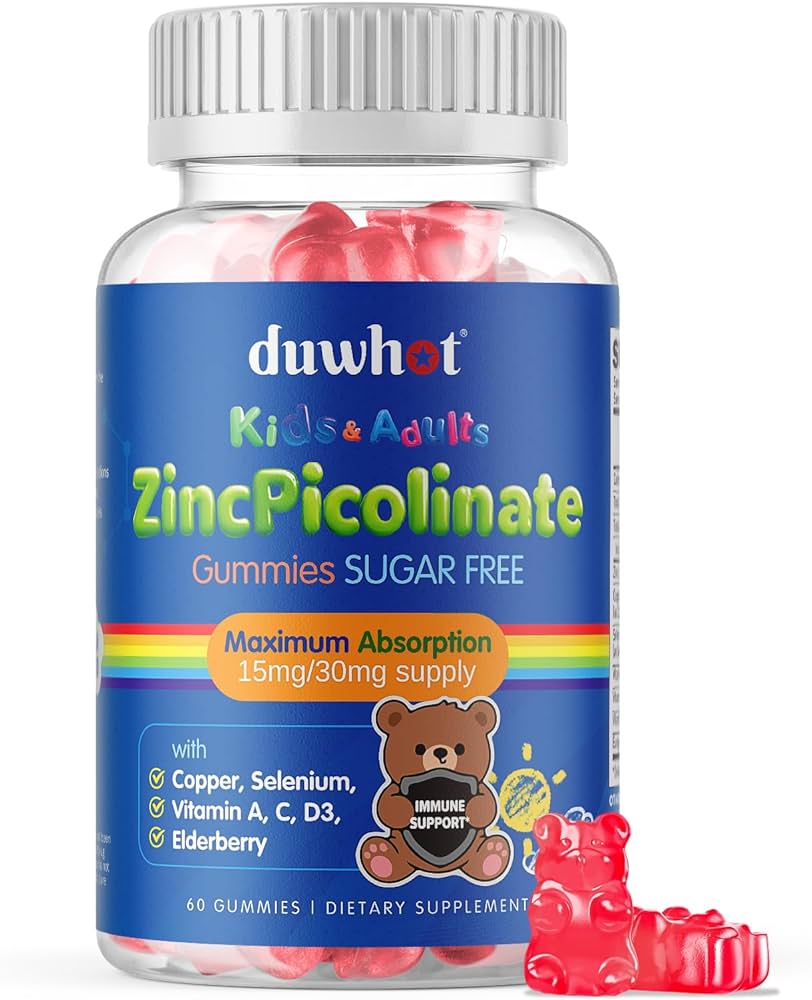
A key issue raised by the regulator is how these products are being marketed. Many are sold as immune boosters claiming to help with colds, flu, diarrhoea and skin conditions. SAHPRA says these claims effectively classify the products as medicines, not complementary supplements.
Under South African law, any medicine intended for children that contains zinc picolinate or selenium must be registered as a Category A medicine. Selling such products as Category D complementary medicines is illegal.
SAHPRA has given manufacturers, distributors and retailers six months to withdraw these products from the market if they are not properly registered. From now on, any selenium- or zinc picolinate-containing product intended for children must go through the full medicine registration process before it can be sold legally.
For parents, the guidance is clear but unsettling. SAHPRA is urging members of the public to return any children’s products containing zinc picolinate or selenium to pharmacies, distributors or suppliers. Health professionals have also been instructed to stop selling, dispensing or distributing these products and to remove them from shelves and storage facilities.
Public health experts say this is a reminder that “natural” or “supplement” labels do not automatically mean safe, especially for children. Doses that may be tolerated by adults can have very different effects in developing bodies.
READ MORE: Lesotho health minister says his country must be less reliant on SA and “stop being beggars”
Parents are also encouraged to report any side effects linked to health products using the Med Safety App, which feeds into national monitoring systems and helps regulators identify emerging risks.
The SAHPRA warning comes amid broader global debate about the booming supplements industry, particularly products aimed at children. In many countries, regulators are grappling with how aggressively such products are marketed to anxious parents, often with limited evidence of benefit and unclear safety profiles.
Paediatric nutrition specialists generally agree that most healthy children do not need routine supplementation beyond vitamin D in certain cases, and that a balanced diet remains the safest and most effective way to support immunity.
In South Africa, where economic inequality and food insecurity remain realities for many families, the issue is complex. Supplements can appear to offer an easy solution, especially in communities where access to healthcare is uneven. But SAHPRA insists that protecting children’s safety must take precedence over commercial convenience.
SAHPRA says its intervention is rooted in its core mandate: ensuring the safety, efficacy and quality of all health products used in the country. By drawing a firm line on zinc picolinate and selenium in children’s products, the regulator hopes to prevent avoidable harm and reinforce public trust.