KINSHASA — The Democratic Republic of Congo (DRC) has formally offered a slate of strategic, state-owned mineral assets to United States investors, marking its clearest move yet to draw Washington deeper into the country’s vast mining sector and reshape the geopolitics of global critical mineral supply chains.
Senior Congolese officials confirmed that Kinshasa has sent U.S. authorities a vetted shortlist of mining licences and projects covering manganese, copper-cobalt, gold and lithium, minerals central to electric vehicles, renewable energy, advanced manufacturing and defence technologies.
The move is being framed by officials as a turning point under a growing U.S.–DRC minerals partnership, and a bid to diversify foreign investment beyond long-dominant Chinese interests.
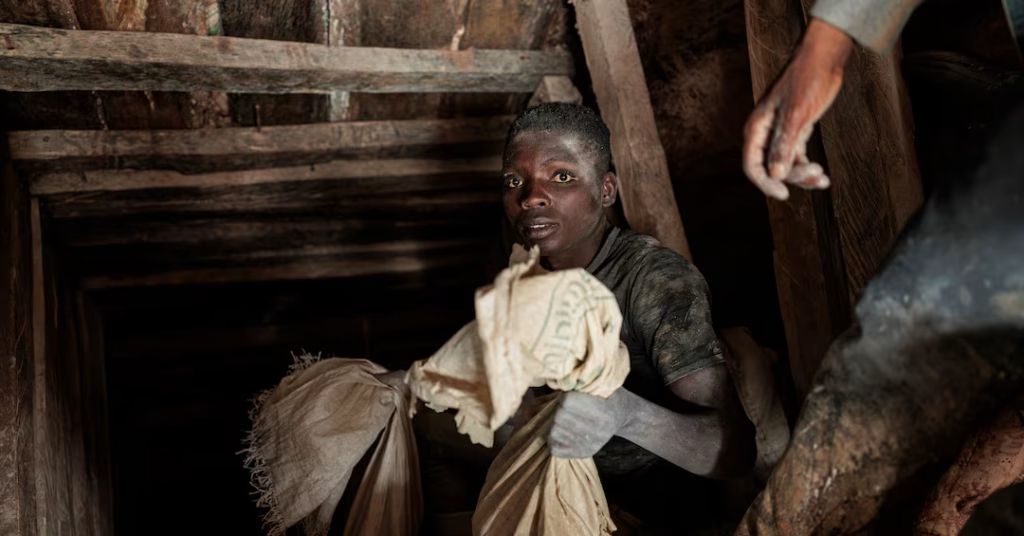
The assets, delivered to Washington last week, are held by some of Congo’s most important state-owned mining entities, including Gécamines, Sokimo, Cominiere and Sakima. They represent projects not already locked into long-term joint ventures or farm-out agreements, making them available for fresh evaluation by American investors.
A concrete offer under a strategic minerals pact
According to officials familiar with the process, the shortlist went through several rounds of internal vetting to ensure compliance with Congolese law and national mining policy.
“This is the most direct offer Congo has made to U.S. investors,” one official said, noting that the government was keen to present assets that could move quickly into structured negotiations.
The projects on offer include:
- Kisenge licences for manganese, gold and cassiterite;
- Gécamines’ Mutoshi copper-cobalt project, alongside a germanium-processing venture;
- Four gold permits held by Sokimo;
- Lithium licences controlled by Cominiere; and
- Coltan, gold and wolframite assets owned by Sakima.
While no official valuation has been disclosed, the assets sit in a country that already supplies more than 70% of the world’s cobalt and is Africa’s largest copper producer, making them strategically significant for any global investor.
From peace diplomacy to mineral strategy
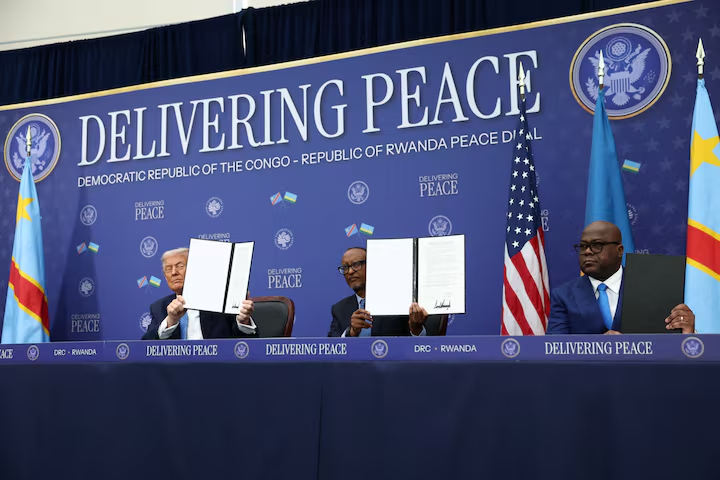
The offer is closely tied to broader diplomatic efforts linking peace, investment and resource governance in central Africa. Since the United States helped broker a pact between the DRC and Rwanda aimed at easing tensions in Congo’s mineral-rich east, Washington has stepped up engagement in the region’s mining sector.
U.S. agencies have already begun laying the groundwork. The U.S. Development Finance Corporation has signed a minerals marketing partnership with Gécamines and supported the $553 million Lobito Corridor upgrade, a major infrastructure project designed to move minerals from Congo and Zambia to Atlantic ports via Angola.
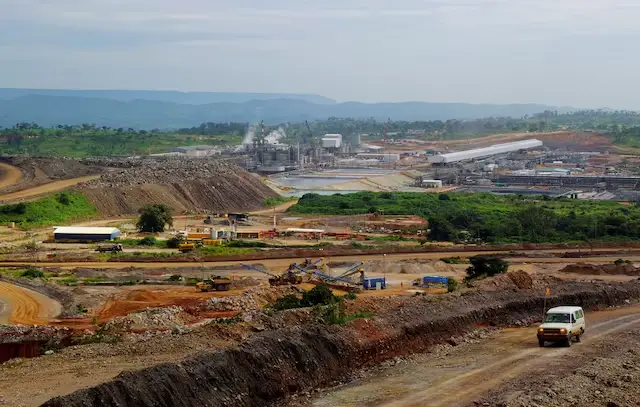
Congolese officials say the minerals offer is part of the same strategy: stabilise the region, attract diversified investment, and anchor Congo more firmly in Western-aligned supply chains for critical resources.
A Joint Steering Committee to drive negotiations
To oversee the partnership, Congo and the United States have established a Joint Steering Committee for American Investors, a body tasked with translating political commitments into commercial deals. A document seen by Reuters shows Congo’s delegation includes Deputy Prime Minister for Economy Daniel Mukoko Samba, along with the ministers of foreign affairs, mines and finance, and the head of the mining regulator ARECOMS.
The committee is expected to convene its first formal meeting in the coming weeks, where it will begin discussing investment frameworks, due diligence processes and potential contracts tied to the shortlisted assets.
“This is where intentions have to become agreements,” said an industry analyst in Kinshasa. “The structure is now there. What matters next is execution.”
The China factor and global supply chains
Congo’s outreach to U.S. investors comes against the backdrop of intensifying global competition over critical minerals. China remains the dominant player in Congo’s mining sector, particularly in copper and cobalt, through companies such as CMOC, Zijin and Huayou. Beijing also controls a large share of global mineral refining and processing, handling between 47% and 87% of key strategic minerals, according to international energy data.
ALSO READ: Inside the mine that feeds the tech world – and funds Congo’s rebels
By courting U.S. capital, Kinshasa is signalling that it wants to rebalance, not replace, its partnerships. Congolese officials stress that Chinese investment is not being pushed out, but that the country needs more competition, better terms and stronger value-chain development to support domestic growth.
“Congo has learned the risks of dependence,” said a mining policy expert in Lubumbashi. “Diversifying partners gives the state more leverage and, potentially, more development impact.”
Opportunities and risks
Analysts caution that while the initiative could unlock major investment and geopolitical leverage for Congo, success will depend on more than asset lists. Investors will be watching for regulatory clarity, contract transparency, infrastructure reliability and improvements in security, especially in eastern provinces where conflict has long disrupted mining activity.
Still, the move marks a notable shift in Congo’s mineral diplomacy, from reactive deal-making to a more deliberate, strategic positioning of its resources on the global stage. (Additional reporting by Reuters)