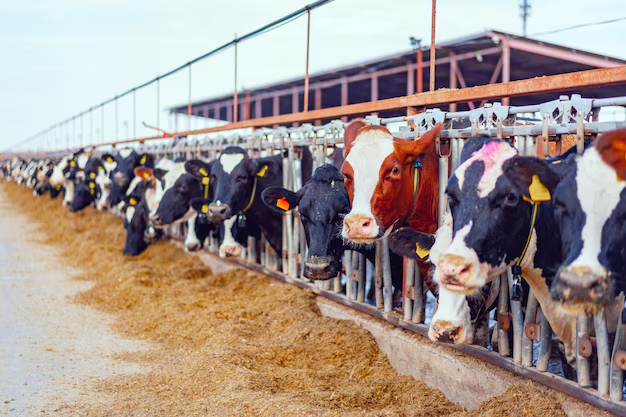
LUSAKA – The Zambian Ministry of Fisheries and Livestock has suspended all livestock imports from South Africa with immediate effect, citing concerns over the spread of foot-and-mouth disease (FMD).
The directive, issued in Lusaka on February 14, forms part of a broader package of biosecurity measures aimed at protecting Zambia’s domestic livestock industry and preventing cross-border transmission of the highly contagious viral disease.
According to the ministry, the suspension applies to the importation of all cloven-hoofed animals from South Africa, as well as related products including feeds, skins, hides, trophies and hooves. Existing permits have been revoked, and transit permits for animals moving through Zambia have also been halted.
The Department of Veterinary Services, led by Director Charles Maseka, said the measures are precautionary and will remain in place while authorities monitor the outbreak and assess risk levels.
Permits for certain animal products, such as dairy, may only be considered if strict mitigation measures consistent with international animal health standards are met.
Economic and trade implications
South Africa is one of the region’s largest livestock and animal-product exporters, and periodic FMD outbreaks have historically triggered trade restrictions across Southern Africa.
Agricultural economists note that such bans, while necessary from a disease-control standpoint, can disrupt regional supply chains, particularly for beef and breeding stock, and may place short-term pressure on prices and availability in importing countries.
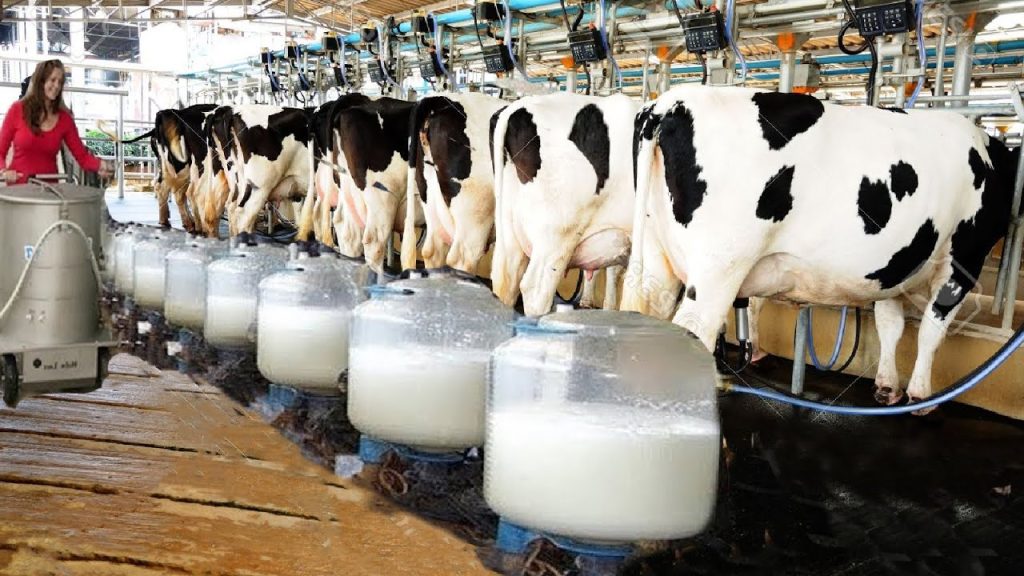
Zambia’s livestock sector plays a significant role in rural livelihoods, making disease prevention a priority policy issue. Authorities have previously imposed similar restrictions during past outbreaks to avoid domestic herd infections, which can be costly to contain and lead to export losses.
ALSO READ: In Mékro, Sustainable Farming Is Sowing Hope and Transforming Lives
Foot-and-mouth disease does not typically pose a direct threat to human health, but its economic impact on agriculture can be severe due to culling, movement controls and trade bans.
Regional veterinary cooperation frameworks encourage rapid reporting and coordinated containment measures, especially given the porous borders and frequent livestock movement within the Southern African Development Community (SADC).
Review dependent on outbreak progress
The ministry said the restrictions will be reviewed as the situation evolves and as more epidemiological data becomes available.
In a statement issued by Principal Public Relations Officer Benny Munyama, the ministry urged farmers, traders and stakeholders to comply fully with the new rules while authorities work to safeguard national herds.
Trade restrictions linked to Foot and Mouth Disease are not new in Southern Africa. Over the past two decades, repeated outbreaks in South Africa have triggered temporary import suspensions and tightened biosecurity measures across the region, underscoring how animal health risks quickly translate into economic shocks.
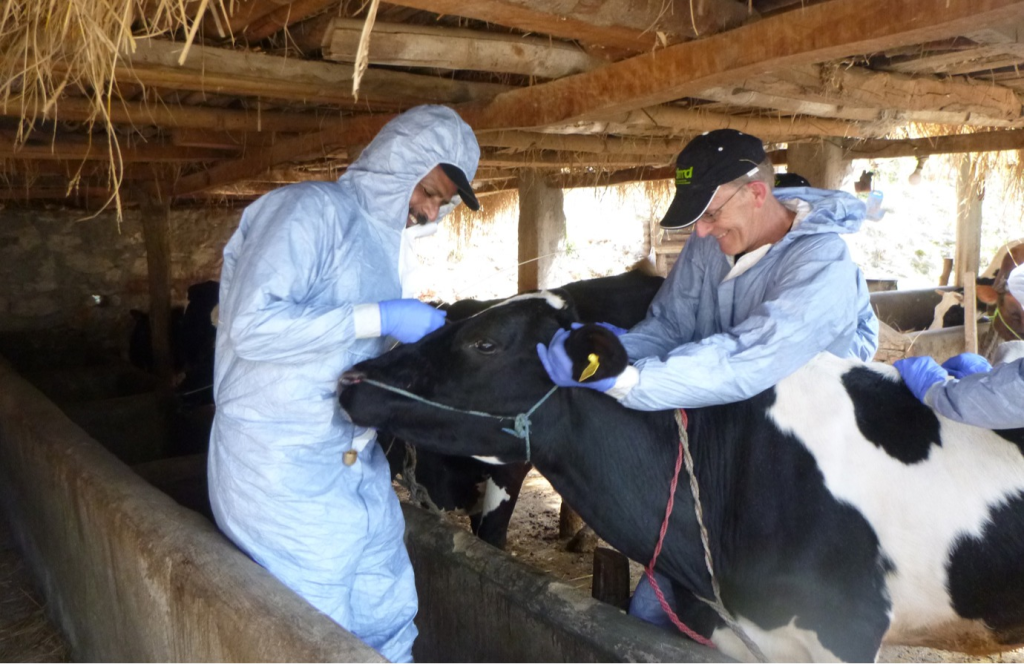
One of the most significant recent episodes occurred in 2019, when an FMD outbreak in Limpopo led several trading partners to halt imports of cloven-hoofed animals and related products from South Africa. Countries including Botswana, Namibia and Eswatini imposed precautionary restrictions, disrupting cross-border livestock movements and meat exports.
ALSO READ: SADC Ministers Confront Regional Food Security Crisis
The outbreak prompted South African authorities to suspend exports from affected zones while rolling out vaccination campaigns and movement controls. The episode exposed the vulnerability of regional supply chains, particularly for countries reliant on South African breeding stock and processed meat products.
Smaller outbreaks in the early 2010s also triggered localised trade responses. In 2011, cases reported near regional border areas highlighted the risk of transboundary spread, reinforcing the practice of rapid import suspensions by neighbouring states to protect domestic herds.
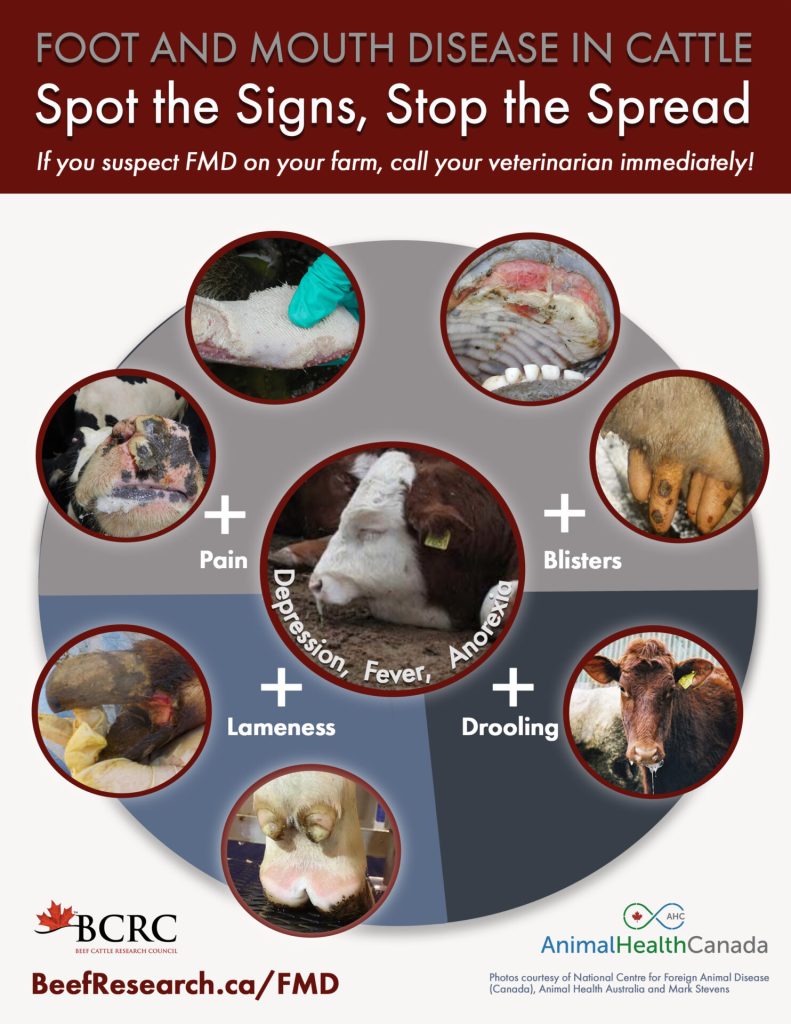
These recurring incidents have entrenched a precautionary approach across the Southern African Development Community (SADC), where veterinary authorities typically act swiftly with temporary bans while epidemiological investigations are underway.
Animal disease crises have long shaped livestock economies in the region. The devastating late-19th-century rinderpest epidemic wiped out millions of cattle across Southern and Eastern Africa, causing famine and economic collapse and reshaping agricultural systems for decades. rinderpest epidemic
While modern veterinary science has reduced the scale of such catastrophes, the legacy of that period still informs today’s strict disease-control regimes and rapid trade restrictions.
The latest suspension by Zambia follows a well-established regional playbook:
- Immediate border controls to protect domestic herds
- Temporary disruption of livestock and meat trade
- Gradual reopening once containment measures are verified
For policymakers and producers, the historical pattern highlights a persistent structural risk. Livestock trade in Southern Africa remains highly integrated, meaning outbreaks in one country can ripple quickly through neighbouring economies, affecting prices, supply chains and rural livelihoods.