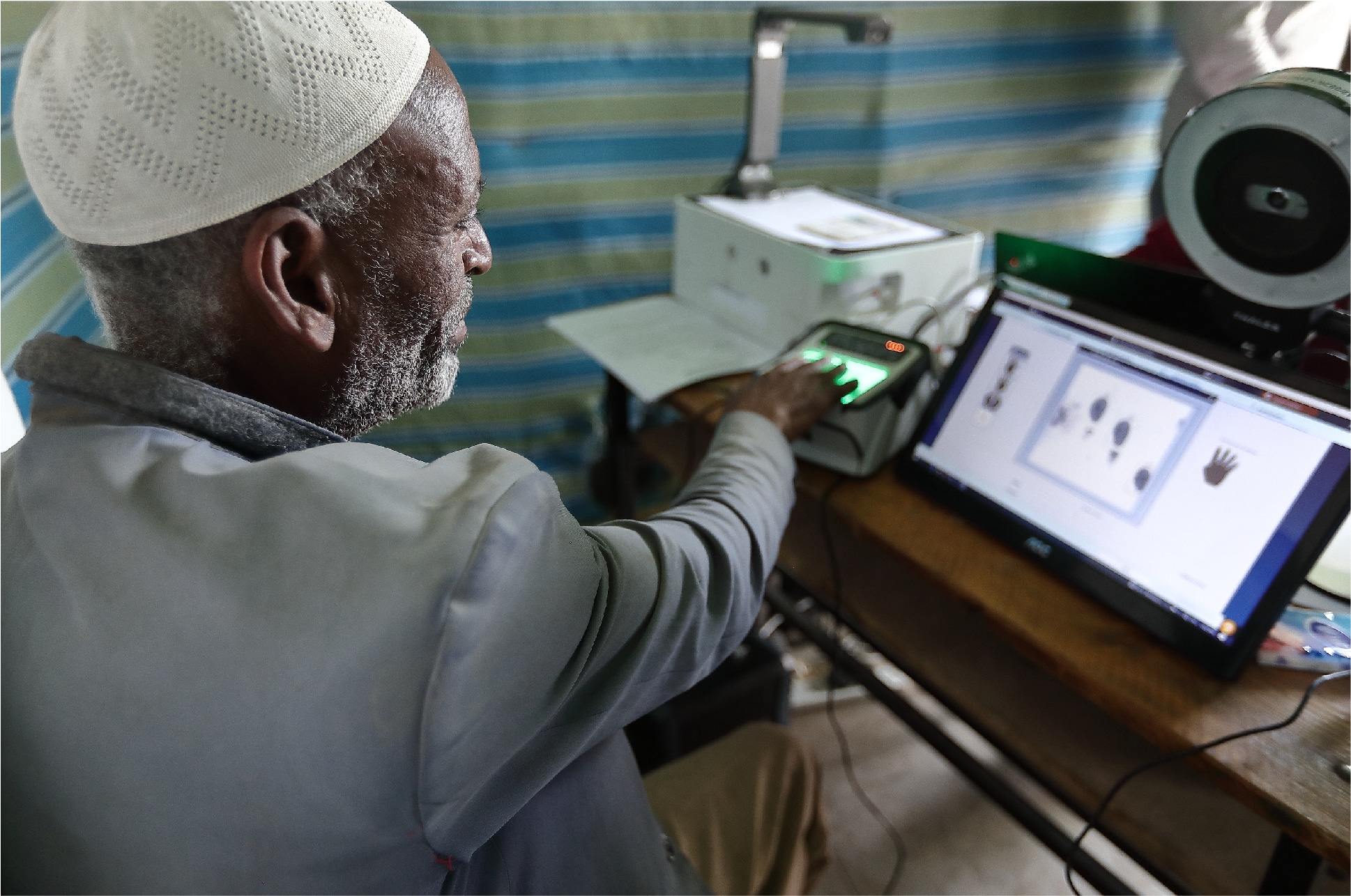
ABUJA – The Economic Community of West African States (ECOWAS) and the World Bank have taken another step toward strengthening regional identity systems across West Africa, convening the 18th Coordination Committee meeting of the West Africa Unique Identification for Regional Integration and Inclusion (WURI) Programme.
The virtual meeting, held on March 11, brought together project coordinators from five participating countries, Benin, Burkina Faso, Côte d’Ivoire, Niger and Togo, alongside officials from ECOWAS and the World Bank to review progress made in implementing the programme and to map priorities for the remainder of 2026.
The initiative forms part of broader regional efforts to expand access to government-recognised identity credentials, a key requirement for citizens to access public services, financial systems and cross-border opportunities.
Expanding access to official identity
According to ECOWAS, the WURI programme seeks to increase the number of people across participating countries who possess legally recognised identification.
“The WURI Programme… aims to increase the number of persons in participating countries who have government-recognised proof of identity, facilitating their access to services both within and across national borders,” the organisation said in a statement.
Officials say the programme focuses on three central pillars: strengthening the legal and institutional frameworks governing foundational identification systems, developing reliable digital identity infrastructure, and enabling citizens to access services through officially issued identity credentials.
ALSO READ: West Africa Advances Nutritional Security with New Regional Standards for Fortified Foods
Across many parts of Africa, the absence of formal identification remains a major barrier to economic participation. Without recognised identity documents, millions of people are unable to open bank accounts, access healthcare, register businesses or benefit from government social protection programmes.
The World Bank has repeatedly highlighted the importance of inclusive identity systems as a foundation for economic development and digital governance.
Regional coordination meeting reviews progress
The coordination committee meeting was convened jointly by ECOWAS and the World Bank, which serve as co-secretariats for the programme.
Opening the meeting on behalf of ECOWAS Commission President Omar Alieu Touray, the Director of Free Movement of Persons and Migration and WURI project coordinator, Albert Siaw-Boateng, welcomed participants and emphasised the strategic importance of the initiative.
Representatives from the World Bank also addressed the meeting, alongside a representative of the Coordination Committee leadership.
The session was chaired by Moniyiel Kantchoa, who led discussions on programme implementation and upcoming milestones.
During the meeting, project coordinators from the five participating countries presented updates on achievements recorded since the previous committee session. These included progress in building national identification systems, strengthening legal frameworks and expanding access to official identity credentials.
Participants also outlined operational priorities for the second and third quarters of 2026.
Supervisory Committee to review programme direction
A key agenda item during the meeting was preparation for the upcoming Supervisory Committee session scheduled for March 25.
According to ECOWAS, the body plays a central role in programme oversight.
“The Supervisory Committee serves as the highest governance body of the WURI Programme and is responsible for validating decisions and recommendations submitted by the Coordination Committee,” the organisation said.
Officials reviewed and endorsed the agenda for the upcoming meeting, which will examine strategic programme developments and governance decisions.
The Coordination Committee itself plays a critical operational role within the programme’s governance structure.
ALSO READ: Inside West Africa’s Fight Against Gender-Based Violence
ECOWAS explained that the committee “serves as a key governance structure of the WURI Programme, responsible for facilitating operational steering of its common objectives, mobilising technical expertise through the Technical Committee, and promoting the sharing of experiences and harmonisation of tools among participating countries.”
Decisions taken by the committee are subsequently submitted to the Supervisory Committee for validation.
Supporting regional mobility and integration
Beyond improving access to services, the WURI programme also supports ECOWAS’ long-standing objective of strengthening regional integration.
The organisation has for decades promoted the free movement of people across its member states through the ECOWAS Free Movement Protocol.
However, inconsistent identification systems and weak civil registration frameworks have often complicated cross-border travel and administrative cooperation.
By developing interoperable digital identity systems across participating countries, the WURI initiative aims to simplify mobility while strengthening governance and service delivery.
Officials said the latest coordination meeting reaffirmed the commitment of ECOWAS member states and develop ment partners to advancing inclusive identification systems across the region.
“The meeting reaffirmed the commitment of ECOWAS, participating countries and development partners to advancing inclusive and interoperable identification systems that support regional integration, improve service delivery and enhance the implementation of the ECOWAS Free Movement framework,” the organisation said.