Every morning, South Africans wake up to another horrific story. A young girl has allegedly been killed. A woman has been murdered by someone she knew and trusted.




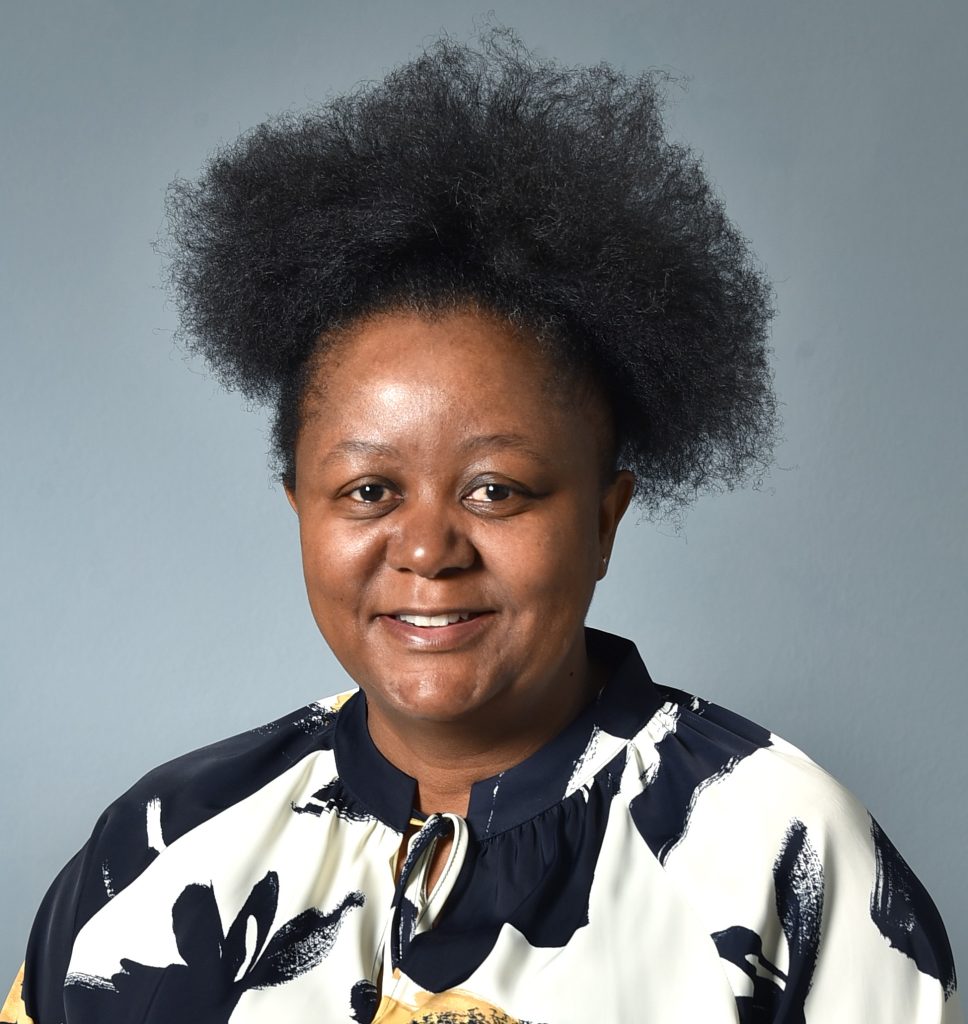
By Prof Nokuthula C. Mazibuko
PRETORIA – South Africa must confront an uncomfortable and painful reality: that despite laws, policies, campaigns, organisations and billions of rand committed to addressing gender-based violence and femicide, women and children continue to be murdered daily.
Every morning, South Africans wake up to another horrific story. A young girl has allegedly been killed. A woman has been murdered by someone she knew and trusted. A school learner has been shot on school premises. Another mother had gone for her daily routine run, left her children behind, her life was violently taken from her.
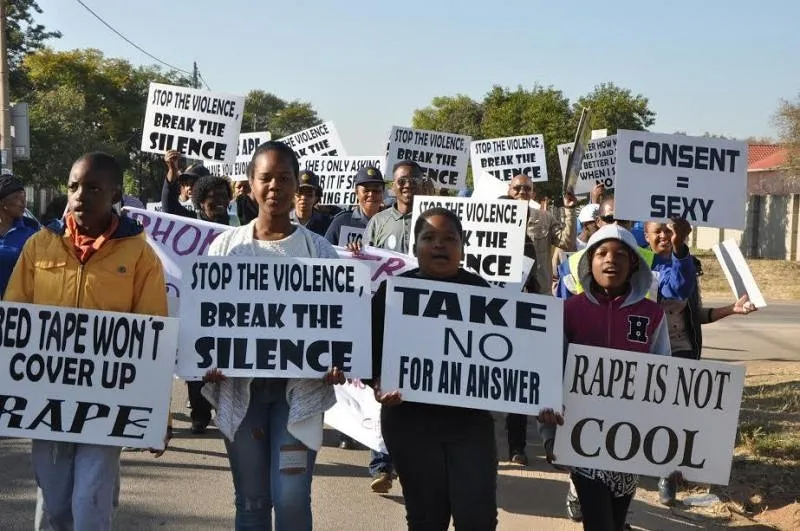
The country expresses outrage. Social media is flooded with hashtags. Politicians issue statements. Communities organise marches. Another foundation may be established in the name of a murdered woman. Yet, after the cameras have disappeared and the public outrage has subsided, the violence continues.
This raises a difficult question that South Africa can no longer afford to avoid: Are our current interventions genuinely protecting women and children, or have we become a society that has learnt to respond to their deaths rather than prevent them?
South Africa has laws criminalising murder, assault, rape and other forms of violence. There are non-profit organisations, non-governmental organisations, shelters, community structures, government programmes and awareness campaigns dedicated to protecting women and children. These initiatives are important, and many people working within them are deeply committed to saving lives. However, commitment alone cannot be the measure of success. The real measure must be whether fewer women and children are being killed.
If women and children continue to be murdered at alarming levels, South Africa must have the courage to examine whether its interventions are achieving their intended purpose.
My own research on women’s narratives of domestic violence has demonstrated that violence against women cannot simply be understood as isolated incidents involving individual perpetrators and victims. Women’s experiences of violence are often embedded within unequal gender relations, social and economic dependence, silence, fear and institutional failures. For many women, violence occurs repeatedly before it eventually becomes fatal. There are often warning signs, previous assaults, threats and opportunities for intervention.
The question, therefore, is not only why women are being killed. We must also ask: What happened before they were killed, and why did the systems intended to protect them fail to intervene effectively?
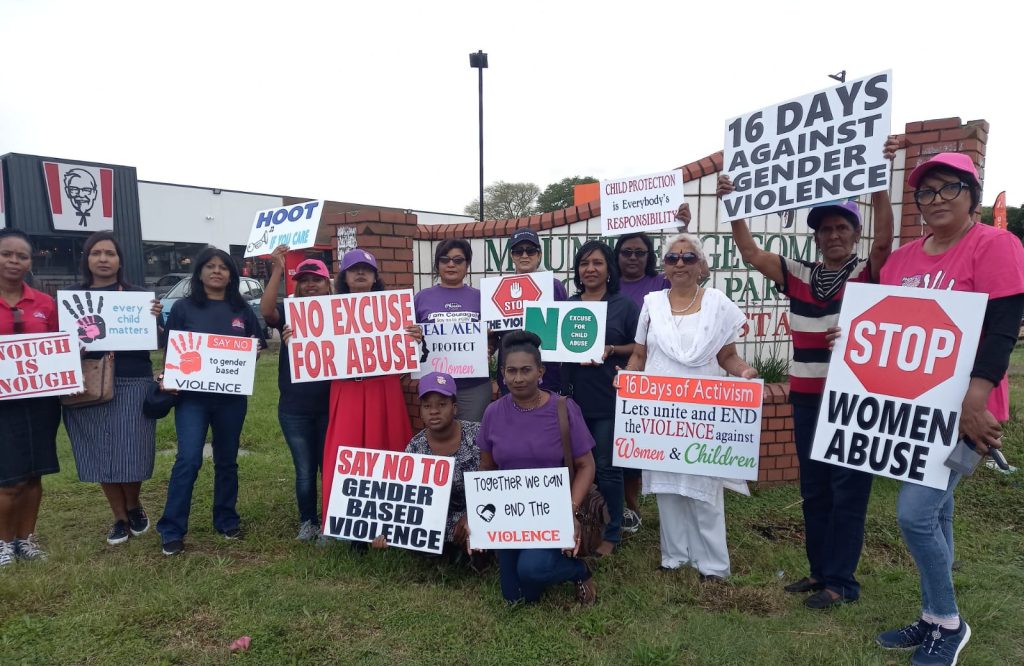
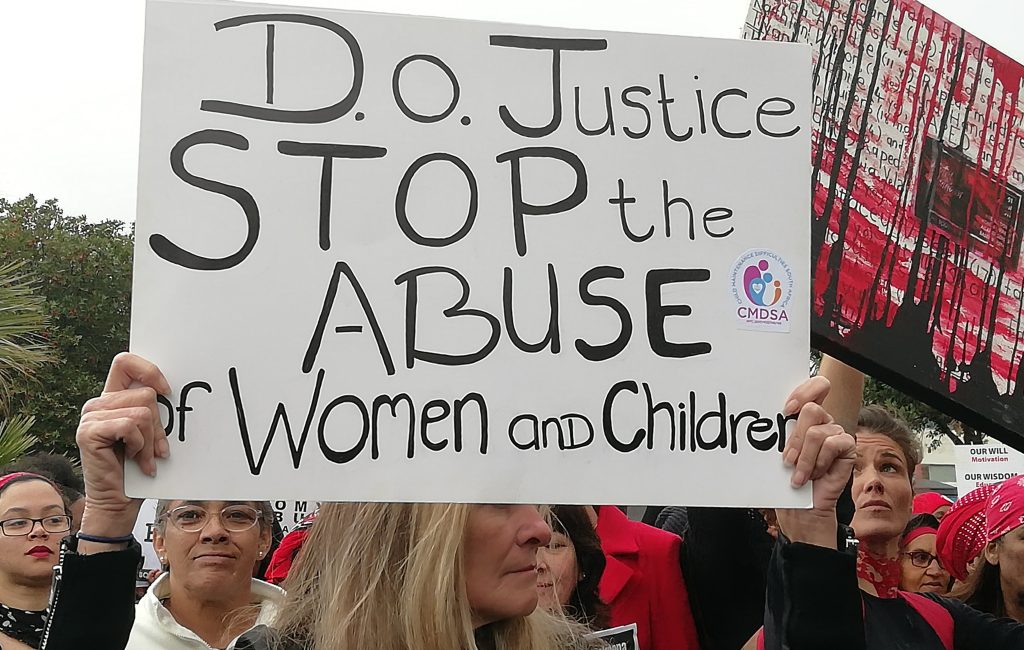
Too often, South Africa waits for a woman to die before taking her suffering seriously. We then gather to mourn her. We create posters carrying her photograph. We march in her name. We establish a hashtag. We promise that her death will not be in vain. But another woman is killed. Then another. And another.
At some point, South Africa must recognise that outrage without effective prevention does not protect the next woman. Children also carry the most devastating consequences of this violence. When a mother is murdered, the story does not end with her death. Children are left without their mothers and are expected to continue growing up in a society that repeatedly fails to protect the people responsible for their care and wellbeing.
ALSO READ: OPINION | Women Are Missing in South African Research. What Is the Fix?
South Africa is, in many respects, writing the story of a generation of motherless children. These children must live with grief, trauma, anger and unanswered questions. They may have witnessed the violence themselves. They may know the person responsible for killing their mother. They may grow up without adequate emotional, financial or psychological support. Yet society expects them simply to overcome these circumstances and become responsible and productive citizens.
We cannot continue to ignore the long-term social consequences of creating families and communities traumatised by the violent killing of women. The killing of women and children must therefore be treated with the seriousness of a national emergency. This requires more than commemorations and public statements. It requires a criminal justice system that investigates crimes properly, protects victims who report threats and violence, and ensures that perpetrators are held accountable. It requires consequences that are certain and meaningful. It requires the removal of dangerous perpetrators from society for appropriate periods determined by the law and the seriousness of their crimes.
It also requires South Africans to have an honest national conversation about punishment, deterrence and whether the current criminal justice response adequately reflects the value we place on the lives of women and children. Calls for the return of the death penalty reflect, in part, the anger and desperation of communities who believe that the state has failed to protect them. Whether one supports or opposes capital punishment, that anger cannot simply be dismissed.
It is a warning. It is a warning that people have lost confidence in a system that appears unable to prevent repeated violence.
It is a warning that South Africans are tired of counting the bodies of women and children. Enough of responding only after a woman has been murdered. Enough of treating every death as an opportunity for another hashtag while failing to ensure that the next woman survives. Enough of building memorials when we should be building effective systems capable of preventing violence.
The war against women and children will not end because we have created another campaign. It will end only when South Africa moves from words to effective action; from mourning to prevention; from promises to accountability.
Women and children should not have to die before South Africa takes their safety seriously. The question is no longer whether we know that gender-based violence and violence against children are serious problems. We have known this for decades. The question is what we are prepared to do differently before another woman leaves her home and never returns to her children.
South Africa must stop merely documenting the deaths of its women.
It must start preventing them!
Professor Nokuthula C. Mazibuko, from the University of South Africa (Unisa), College of Human Sciences


