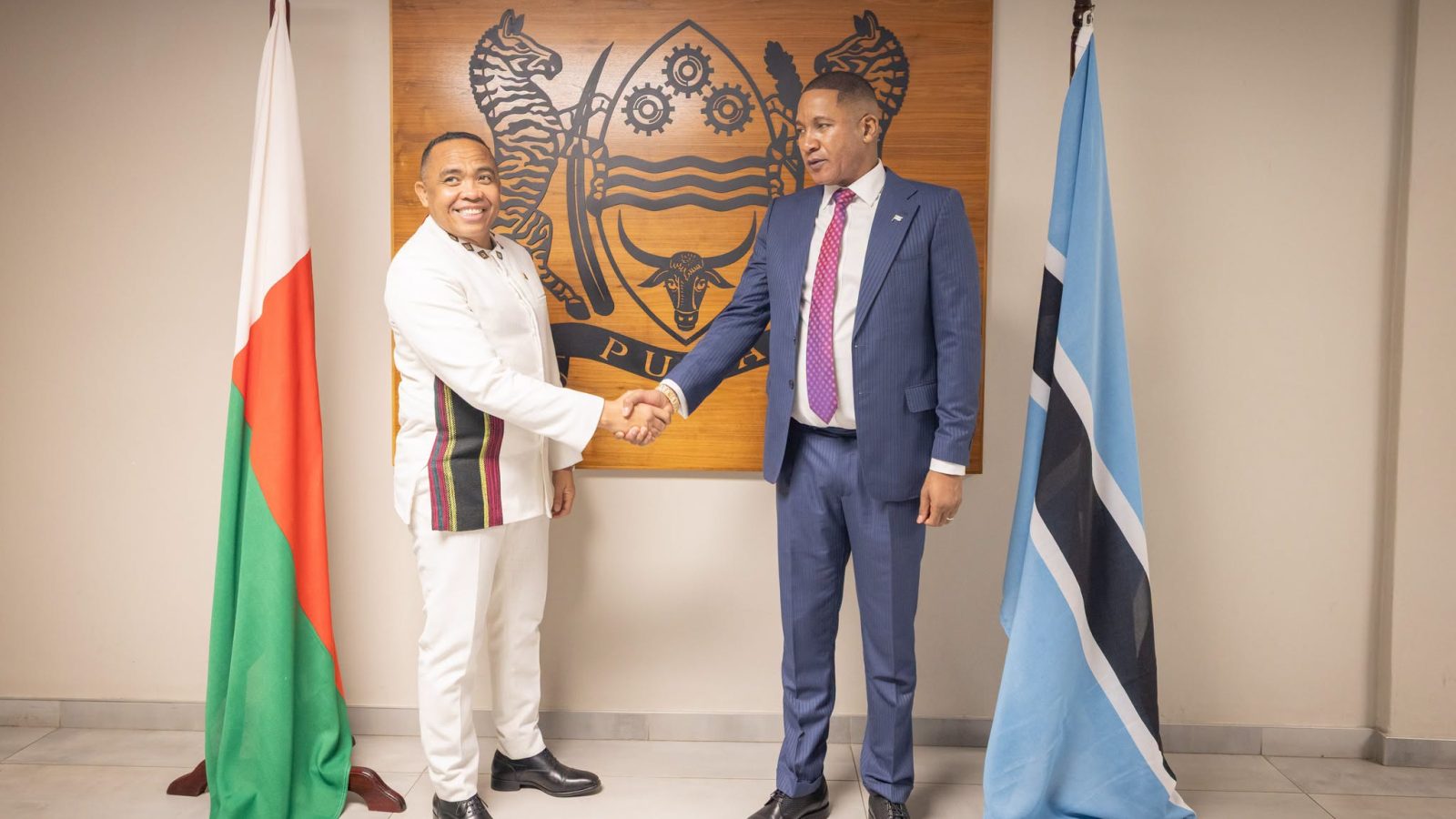
GABORONE – Botswana has followed its 60th independence anniversary with a pledge to remove visa requirements for Malagasy citizens and share mining expertise with Madagascar, giving President Michael Randrianirina an opening to deepen regional ties as his country navigates a contested political transition.
The commitments emerged from Randrianirina’s working visit to Gaborone on 2–3 October, days after Botswana marked its diamond jubilee with a carnival at the capital’s Main Mall. The two countries also set a 30-day target to renew their cooperation framework and develop sector-specific agreements.
Mozambique’s President Daniel Chapo was the guest of honour at the 30 September anniversary celebrations. Randrianirina’s visit followed the main ceremony, extending a period of diplomacy that has linked Botswana’s national milestone to trade, regional cooperation and political recovery.
A Diamond Jubilee In The Streets
Botswana became independent on 30 September 1966, when the former Bechuanaland Protectorate emerged as a republic under its first president, Sir Seretse Khama.
Six decades later, the anniversary was celebrated under the theme “Building Resilience, Driving Prosperity”, with the main programme moving from its traditional stadium setting to Gaborone’s Main Mall.
Processions led by the Botswana Defence Force, police and prisons service converged on the mall. Pantsula dancers, traditional dance groups, scouts, girl guides and other performers turned the city centre into a showcase of Botswana’s cultural heritage.
Boko and Chapo joined the Mafitlhakgosi Traditional Dance Group, with a young dancer taking the Mozambican leader by the hand and guiding him through the routine as spectators cheered. The presidents later toured stalls displaying crafts made by Batswana artisans.
ALSO READ: Botswana Unveils Economic Transformation Program to Diversify Economy and Boost Growth
Chapo’s visit carried an economic agenda. The two leaders held bilateral talks and co-officiated a Botswana-Mozambique Business Forum covering trade, agriculture, energy, tourism, transport and logistics. The visit coincided with 51 years of diplomatic relations between the countries.
Boko Confronts The Limits Of Diamond Wealth
The anniversary offered Botswana an opportunity to reflect on its development and democratic institutions, including the 2024 election that brought Boko’s Umbrella for Democratic Change to power after decades of Botswana Democratic Party government.
In his independence message, Boko acknowledged that diamond revenues had helped build schools, healthcare services, roads and other public infrastructure. But he warned that the benefits of independence had not reached every household equally.
“Celebration must also make room for honesty,” he said.
He identified high unemployment, limited economic diversification, drought and delays in essential services as challenges requiring action. His proposed response centred on a broader economy built through agriculture, manufacturing, tourism, energy, digital enterprise and the creative industries.
The pressure on the diamond sector helps explain that urgency. Reuters reported in January, citing the finance ministry’s 2026/27 Budget Strategy Paper, that Botswana ended December 2025 with 12 million carats of stockpiled diamonds, against an allowable inventory level of 6.5 million.
The same report put projected mineral revenue for 2025/26 at P10.3 billion, compared with a historical annual average of P25.3 billion. These were estimates published earlier in the year, but they illustrate the scale of the revenue pressure accompanying weaker diamond sales.
Madagascar Secures A Visa Pledge And Mining Support
Randrianirina’s visit brought those questions of resources and development into Botswana’s relations with Madagascar.
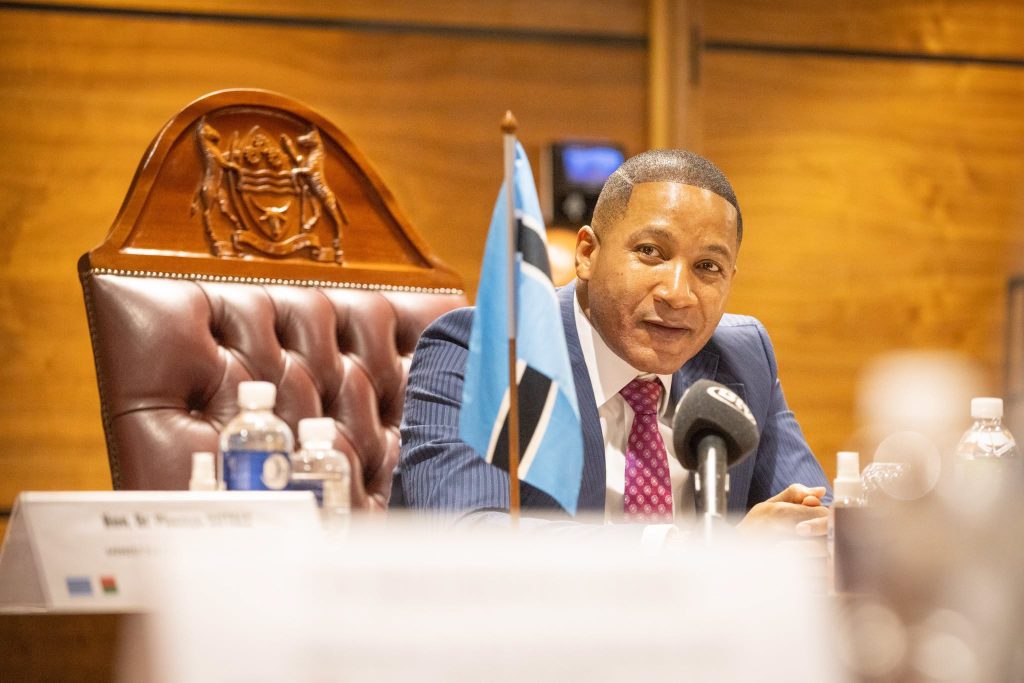
According to the Botswana Press Agency, Boko announced that Botswana would remove visa requirements for Malagasy citizens, saying easier movement could encourage commercial activity and air connectivity.
Boko also proposed cooperation in mining and mineral beneficiation, including the deployment of experts, mining engineers and geologists to Madagascar. Skills transfer would form part of the effort to help the island nation benefit more fully from its mineral resources.
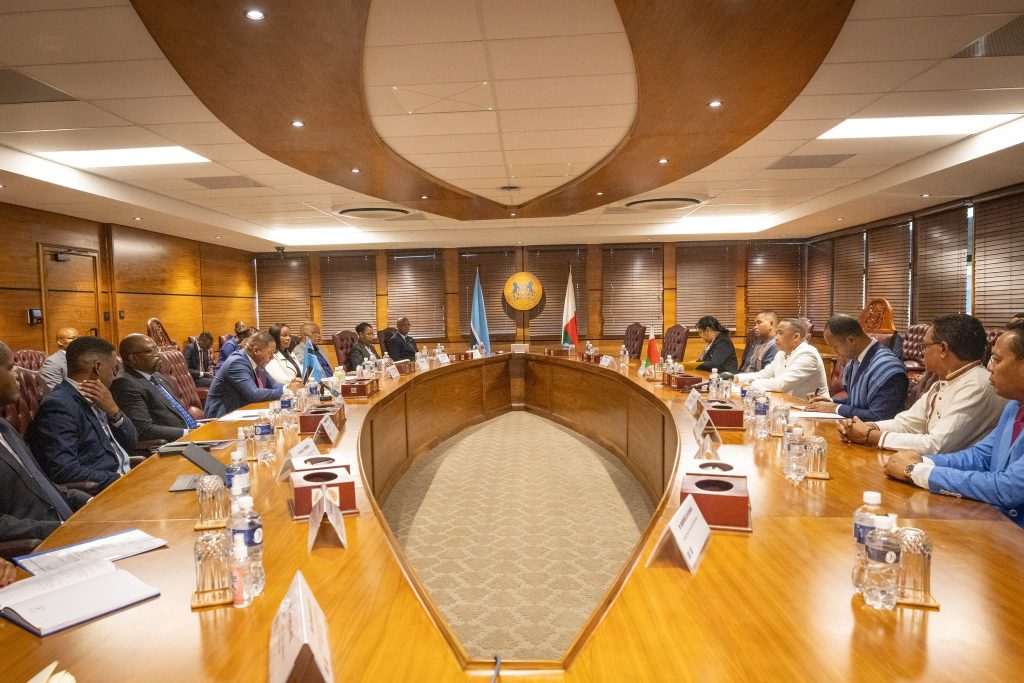
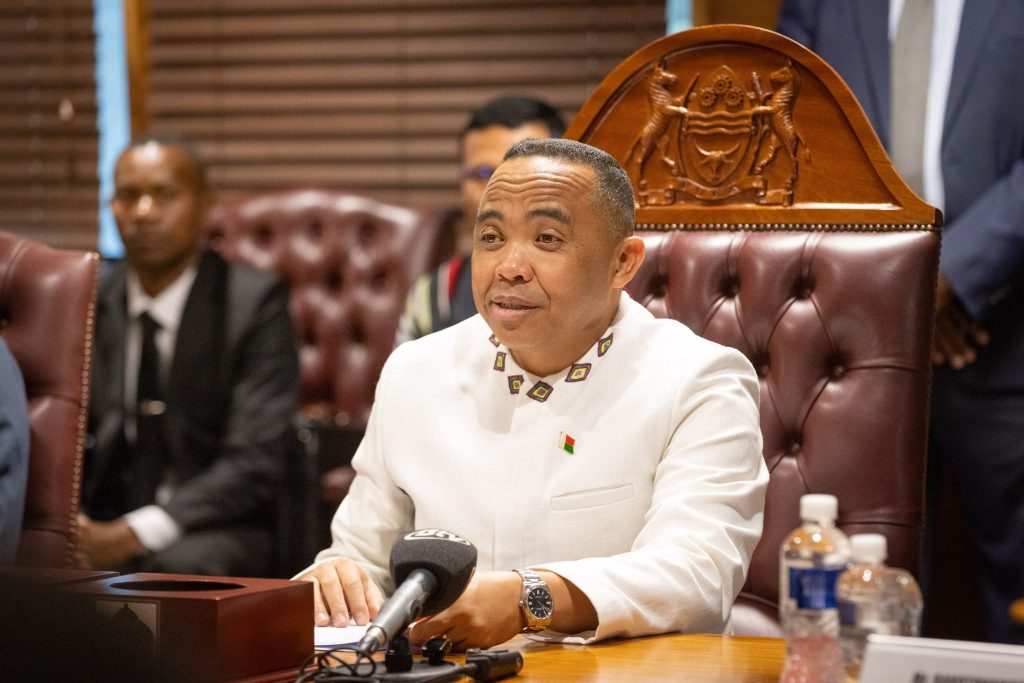
The Malagasy leader praised Botswana’s democratic institutions, political stability and respect for the rule of law. Boko, in turn, pledged support for Madagascar’s recovery in regional and international forums, within the reform process supported by the Southern African Development Community.
The public Botswana account did not provide a commencement date or detailed immigration conditions for the visa change, nor budgets and deployment dates for the mining programme.
Thirty Days To Turn Talks Into Agreements
Reporting by Malagasy news outlet 2424.mg, citing the Malagasy presidency, provides a more specific timetable for the bilateral work.
The countries gave their technical teams 30 days to renew a cooperation framework signed in 2006 and prepare agreements across priority sectors. These include agriculture, livestock, tourism, infrastructure, mining, energy, health and vocational training.
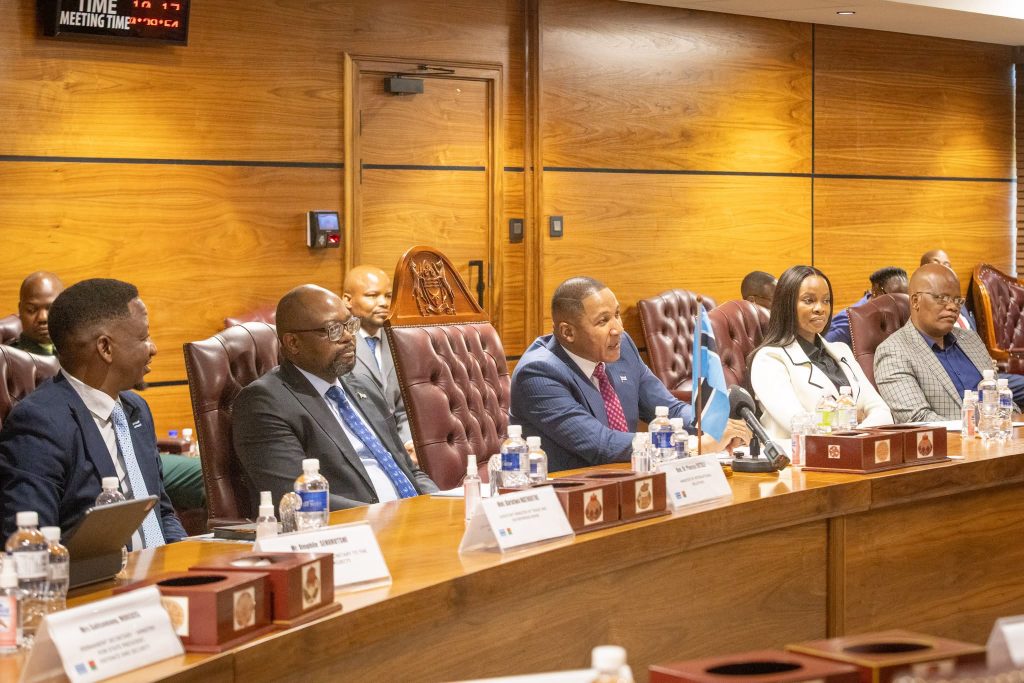
Randrianirina said the visit was intended to identify opportunities in areas where both countries had experience, particularly agriculture, ecotourism and extractive industries. Madagascar also hopes to draw on Botswana’s knowledge of livestock production and managing arid environments.
The deadline provides a concrete measure of progress. Renewing a framework is an initial step; the value of the partnership will depend on the agreements reached, their funding and the work that follows.
A Military-Led Transition Under Regional Scrutiny
Randrianirina’s diplomatic engagement comes against the backdrop of his rise to power.
The army colonel assumed the presidency in October 2025 after youth-led protests over chronic water and electricity shortages expanded into opposition to President Andry Rajoelina’s government. Rajoelina fled the country, and the military took control.
Randrianirina was sworn in on 17 October 2025 and initially promised an 18-month to two-year transition before elections. The African Union suspended Madagascar following the unconstitutional change of government, making restoration of constitutional order the condition for its return to AU activities.
SADC has continued engaging with the transitional authorities. Its August 2026 summit welcomed mediation efforts involving its Panel of Elders and reaffirmed support for inclusive governance, democratic institutions, accountability, human rights and constitutional normalcy.
The AU has maintained dialogue too. On 24 September, AU Commission chairperson Mahmoud Ali Youssouf met Randrianirina on the sidelines of the United Nations General Assembly. An official readout said they discussed Madagascar’s political consultations and that Youssouf reiterated the AU’s commitment to supporting a return to constitutional order.
Botswana’s engagement therefore forms part of a wider regional effort to support Madagascar while democratic restoration remains unfinished.
Randrianirina Hears From The Diaspora
During a meeting with Malagasy citizens in Gaborone on 3 October, Randrianirina urged unity despite political differences and encouraged contributions through investment, expertise and business.
According to the Botswana Press Agency, he said the meetings were intended to hear concerns, receive criticism and gather ideas for national development.
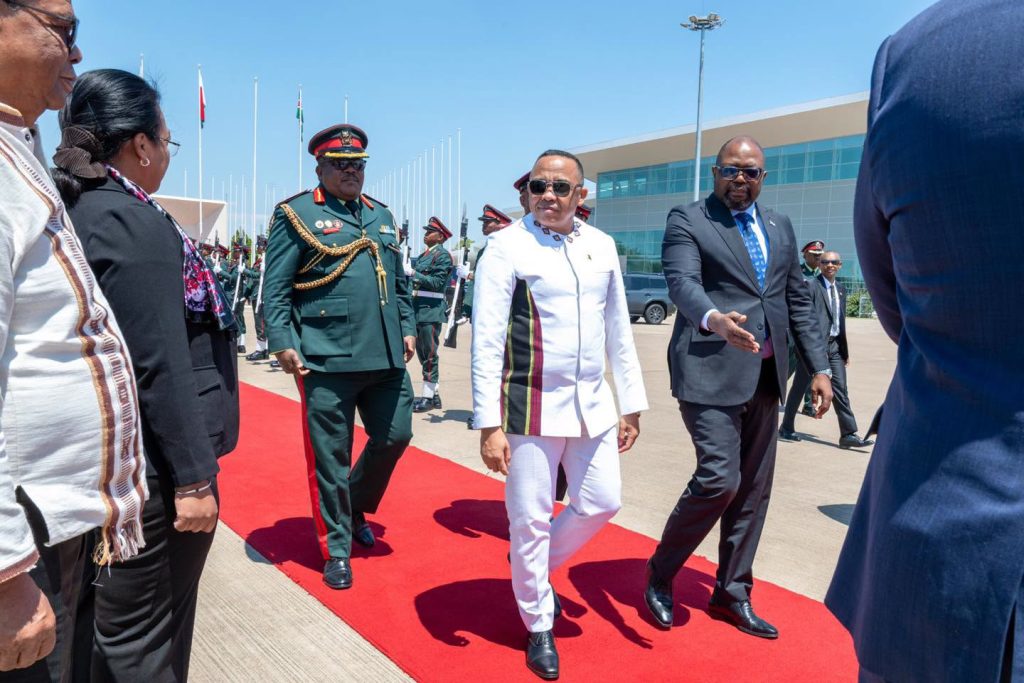
Members of the diaspora called for stronger communication between Madagascar’s institutions and SADC structures. They also raised travel barriers and the potential to expand agricultural exports into regional markets.
Their concerns brought the diplomatic agenda closer to everyday needs: easier travel, access to buyers and opportunities for citizens abroad to contribute to their country’s recovery.
Wildlife Controversy And Continuing Diplomacy
Botswana’s anniversary also drew criticism over wildlife management. The Associated Press reported that the government authorised the killing of 23 elephants and dozens of antelope for independence celebrations, prompting objections from conservationists and a former president.
Diplomatic engagements continued into the following week. On 6 October, Boko received the Duke and Duchess of Gloucester, representing King Charles III during a four-day visit marking Botswana’s independence anniversary and six decades of relations with the United Kingdom.
For Madagascar, the next practical test is the 30-day cooperation target. The visit produced political support and plans for closer economic ties. The agreements, travel arrangements and technical work that follow will determine what those promises deliver.