JOHANNESBURG: More than 23 000 Chery and Omoda vehicles on South African roads are being recalled over defects that could cause rear suspension collapse or compromise braking performance, raising fresh questions about vehicle safety and the handling of product recalls.
The National Consumer Commission (NCC) announced on Tuesday that 23 667 vehicles are affected across three models: the Chery Tiggo 4, Omoda C5 and Chery Tiggo 8 Pro Max 2.0.
The recall covers two separate safety concerns. Welding irregularities on the rear axle sleeves of certain Tiggo 4 and Omoda C5 vehicles could cause the axle to dislodge and the rear suspension to collapse. A separate defect affecting the Tiggo 8 Pro Max 2.0 could result in brake-fluid leakage and reduced braking performance.
The announcement comes against the backdrop of an ongoing NCC investigation, launched in October, into allegations that Chery recalled certain vehicles without notifying the commission.
Acting NCC Commissioner Hardin Ratshisusu said the regulator expected suppliers to meet their obligations when safety concerns emerged.
“Whilst we urge consumers to heed the call and respond to this recall, we also remind suppliers of their obligation to notify any product recall promptly,” he said.
He confirmed that the separate investigation into Chery was ongoing.
Three models, two potentially serious defects
The largest group affected is the Chery Tiggo 4, with 17 508 vehicles included in the recall. According to the NCC, the vehicles were made available for sale nationally between 17 October 2023 and 27 March 2024.
The supplier has reported possible welding irregularities at the rear axle sleeve. If the weld fails, the rear axle could dislodge, resulting in the collapse of the rear suspension.
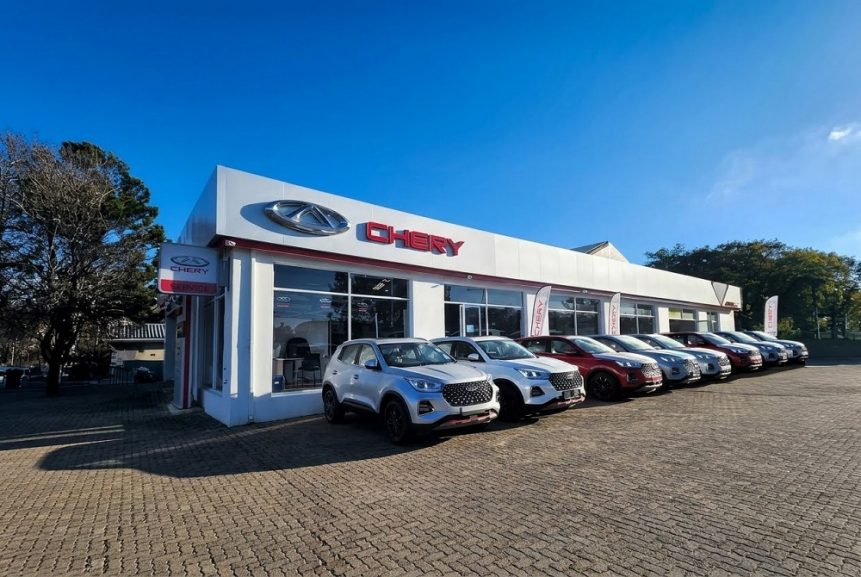
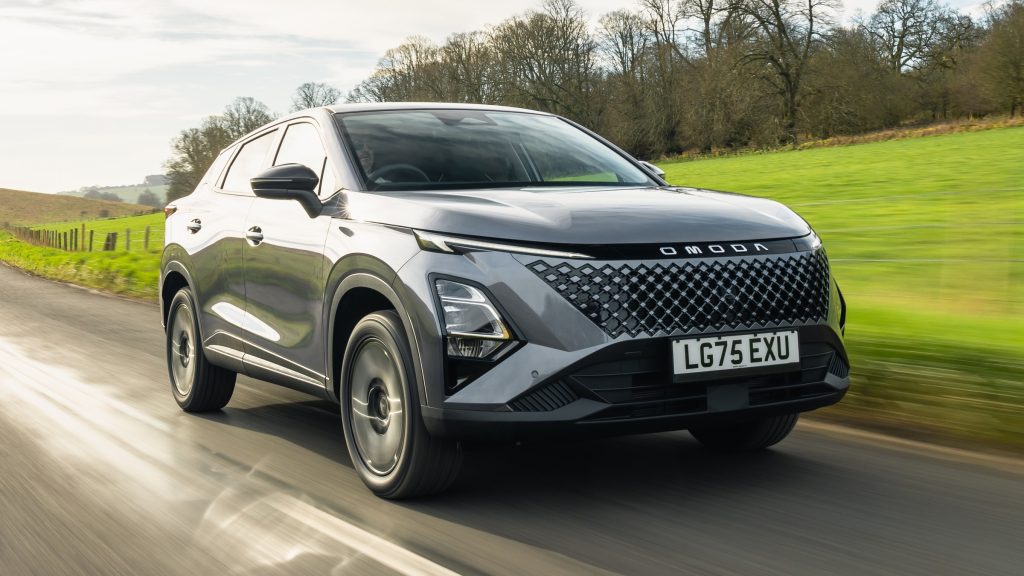
A further 2 685 Omoda C5 vehicles, made available for sale between February 2023 and July 2026, are affected by a similar rear-axle welding concern.
The third group comprises 3 474 Chery Tiggo 8 Pro Max 2.0 vehicles manufactured from 20 May 2026 onwards.
In this case, the front brake pipe may come into contact with the turbocharger assembly. Continued contact could wear through the pipe and cause brake-fluid leakage, reducing braking performance and increasing stopping distances.
The NCC warned that the defect could lead to a collision, serious injury or death.
ALSO READ: Almost 900 Audi, Hyundai and Hino vehicles recalled over safety defects
The three categories bring the total number of vehicles covered by the commission’s notice to 23 667.
A second question: when were regulators notified?
The latest recall also draws attention to the relationship between manufacturers and the regulator responsible for protecting consumers.
In October, the NCC confirmed that it had opened an investigation into allegations that certain Chery vehicles had been recalled without the commission being properly notified.
The issue is significant because South Africa’s Consumer Protection Act provides for safety monitoring and product recalls, while the Consumer Product Safety Recall Guidelines require suppliers undertaking safety-related recalls to notify the commission in writing.
The guidelines state that notification should preferably take place before recall action begins and must be submitted within two days of the commencement of a recall.
The NCC’s investigation is still underway. No finding of wrongdoing has been announced, and the allegations should not be treated as an established breach.

However, the matter raises an important consumer protection question: how effectively can a national regulator monitor a safety risk if recall information does not reach it through the required channels?
A recall is not simply a technical exercise between a vehicle manufacturer and its dealerships. It is also a public safety process that depends on consumers being identified, informed and given clear instructions on what to do.
Chery describes separate precautionary campaign
Chery Group South Africa has also issued a statement announcing a precautionary campaign covering 17 508 Tiggo 4 Pro vehicles and 2 685 Omoda C5 vehicles.
The company said the campaign was intended to inspect rear axles and replace them where necessary. It stressed that inclusion in the campaign did not mean every vehicle had a defective axle.
“The campaign relates to a rear axle manufacturing issue that may affect the weld between the rear axle trailing arm and sleeve on some vehicles,” the company said.
“In extreme and rare circumstances, the weld could fail and separate, which could affect wheel control and increase the risk of an accident.”
ALSO READ: Massive Recalls of Nissan Qashqai, Toyota Land Cruiser 300 and Lexus LX600 Over Safety Defects
Chery said the affected models were no longer being produced and that current models on sale in South Africa were not part of the affected batch.
The company’s announcement describes the affected Tiggo 4 Pro and Omoda C5 vehicles by their production dates, between 6 June 2022 and 31 December 2023. The NCC notice, by comparison, identifies the affected vehicles using the periods during which they were made available for sale.
The distinction is important. The two notices use different date criteria, and the manufacturer’s statement covers the rear-axle campaign rather than all three categories in the NCC’s 23 667-vehicle notice. The NCC’s announcement also includes the 3 474 Tiggo 8 Pro Max 2.0 vehicles affected by the separate brake-pipe concern.
Owners should therefore not assume that their vehicle is excluded simply because its purchase or registration date falls outside a date range quoted in one of the announcements. The vehicle identification number (VIN) is the key way to establish whether an individual vehicle is affected.
What owners should do
The NCC has urged owners of potentially affected vehicles to contact authorised dealerships for inspections and any necessary repairs.
Consumers can check their vehicle identification numbers through the following official channels:
- Chery owners: Chery South Africa Owners Area
- Omoda owners: Omoda Active Care
Owners who are uncertain whether their vehicles are safe to drive should contact an authorised dealership or Chery’s contact centre to arrange towing rather than risk driving a potentially unsafe vehicle.
All recall-related inspections and remedial work will be carried out at no cost to consumers, according to the NCC.
Consumers can also direct recall-related queries to the commission at ProductRecall@thencc.org.za.
Beyond the recall numbers
The immediate priority is to ensure that every affected vehicle is identified, inspected and repaired. But the wider issue is whether the systems intended to protect motorists are working as they should.
For the manufacturer, the challenge is to communicate clearly with owners and ensure that repairs reach every affected vehicle. For the regulator, the ongoing investigation will test whether suppliers are meeting their notification obligations and whether the recall process is sufficiently transparent.
With 23 667 vehicles now covered by the NCC’s notice, the effectiveness of the campaign will ultimately be measured not by the announcement itself, but by how quickly owners are reached and how many potentially unsafe vehicles are repaired.