LAGOS — A long-delayed revival of Angola’s Lobito Atlantic Railway has taken a decisive step forward after Africa Finance Corporation (AFC), working with advisory partner Eaglestone, secured a $753 million financing package for the strategic cross-border rail corridor.
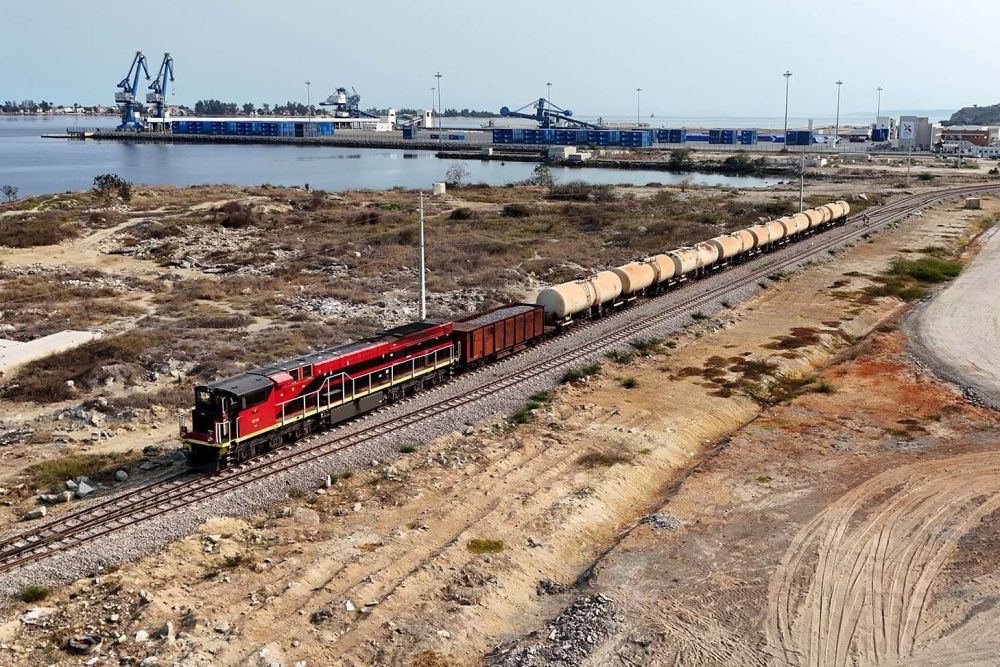
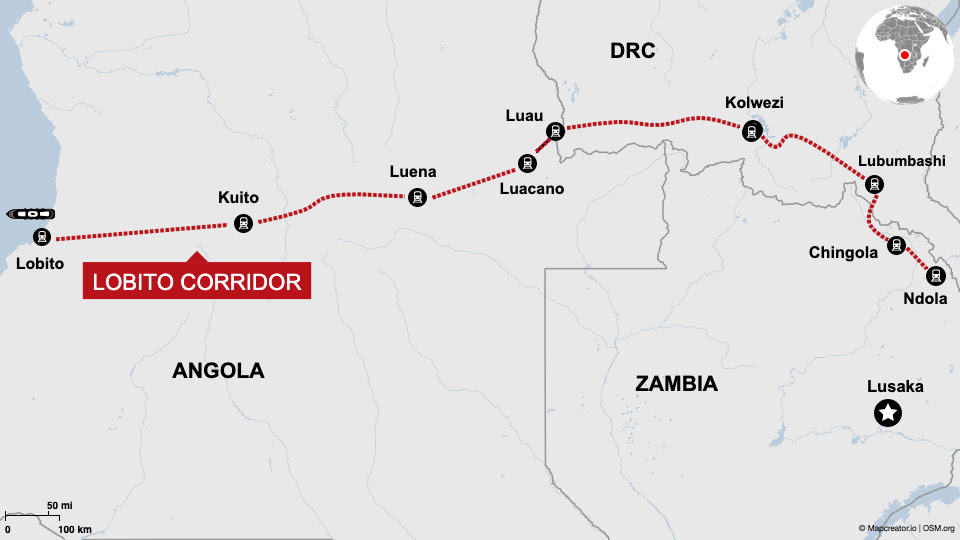
The deal brings together $553 million from the US International Development Finance Corporation (DFC) and $200 million from South Africa’s Development Bank of Southern Africa (DBSA). The funding will enable Lobito Atlantic Railway S.A. (LAR) to rehabilitate and operate the 1,300-kilometre brownfield rail line connecting the Port of Lobito on Angola’s Atlantic coast to the border with the Democratic Republic of Congo.
Backed by a consortium that includes construction group Mota-Engil, global commodities trader Trafigura and rail operator Vecturis, the project is expected to transform regional logistics. Once fully operational, the corridor’s capacity is projected to rise to about 4.6 million metric tonnes a year, roughly ten times current volumes, while transport costs for critical minerals are expected to fall by around 30 percent.
For the mineral-rich but landlocked DRC and Zambia, the Lobito corridor offers a faster and cheaper route to global markets for copper, cobalt and other battery metals, at a time when demand for energy transition minerals is accelerating worldwide.
Reviving a strategic rail artery
Originally built during the colonial era, the Lobito line was once a key trade artery for central and southern Africa. Decades of conflict and underinvestment left much of the railway in disrepair, forcing exporters to rely on longer and more congested routes to the sea. The LAR concession aims to reverse that decline, repositioning Lobito as a major Atlantic gateway for the region.
ALSO READ: Angola Fuel Price Hike Sparks Violent Protests Amid Economic Hardship
AFC President and chief executive Samaila Zubairu described the financing as a major milestone for regional integration and supply-chain resilience.
“The signing of the financing agreements for the Lobito Atlantic Railway demonstrates the strength of AFC’s financial advisory expertise in delivering complex, cross-border infrastructure transactions,” Zubairu said. He added that the project fits squarely within AFC’s mandate to unlock trade, industrial growth and economic opportunity through integrated transport infrastructure.
He noted that the corridor is of particular importance to Angola, one of AFC’s member countries and shareholders, and reaffirmed the corporation’s long-term commitment to supporting the country’s development priorities.
Eaglestone founding partner Nuno Gil said the transaction would help unlock trade and stimulate economic activity along the Lobito Corridor, calling it a landmark deal for Southern and Central Africa.
Mota-Engil deputy chief executive Manuel Mota said the financing marked the culmination of years of collaboration with Trafigura and the Angolan government. He said the upgraded railway would expand transport capacity, reduce transit costs and open up access to inland mineral regions, while strengthening investor confidence in Angola’s infrastructure programme.
ALSO READ: Coca-Cola Fest Luanda Set to Light Up Angola with Music, Food, and Cultural Celebration
Trafigura chief executive Richard Holtum described the railway as a key domestic and regional asset that would support economic development and improve the movement of critical metals to global markets.
Broader economic impact
Beyond trade and logistics, the project is expected to have significant knock-on effects for communities along the route. Developers anticipate thousands of jobs during construction and operations, skills transfer to local workers, improved safety standards and the growth of new economic nodes linked to rail and port activity.
The Lobito Atlantic Railway also forms part of Angola’s wider ambition to establish itself as a logistics hub linking the Atlantic coast to the interior of Southern and Central Africa. For AFC, the deal deepens its footprint in the country following Angola’s accession as a member state in 2022 and its move to shareholder status in 2025.
Since its establishment in 2007, AFC has invested more than $17 billion across 36 African countries, with a focus on transport, power, natural resources and industrial infrastructure.
For landlocked economies such as the DRC and Zambia, the revival of the Lobito corridor offers an alternative to congested southern routes, promising faster access to ports, lower export costs and reduced pressure on foreign exchange. As blended financing models that combine US, regional and private capital gain ground, the project also signals a shift in how large-scale African infrastructure is being funded and delivered.