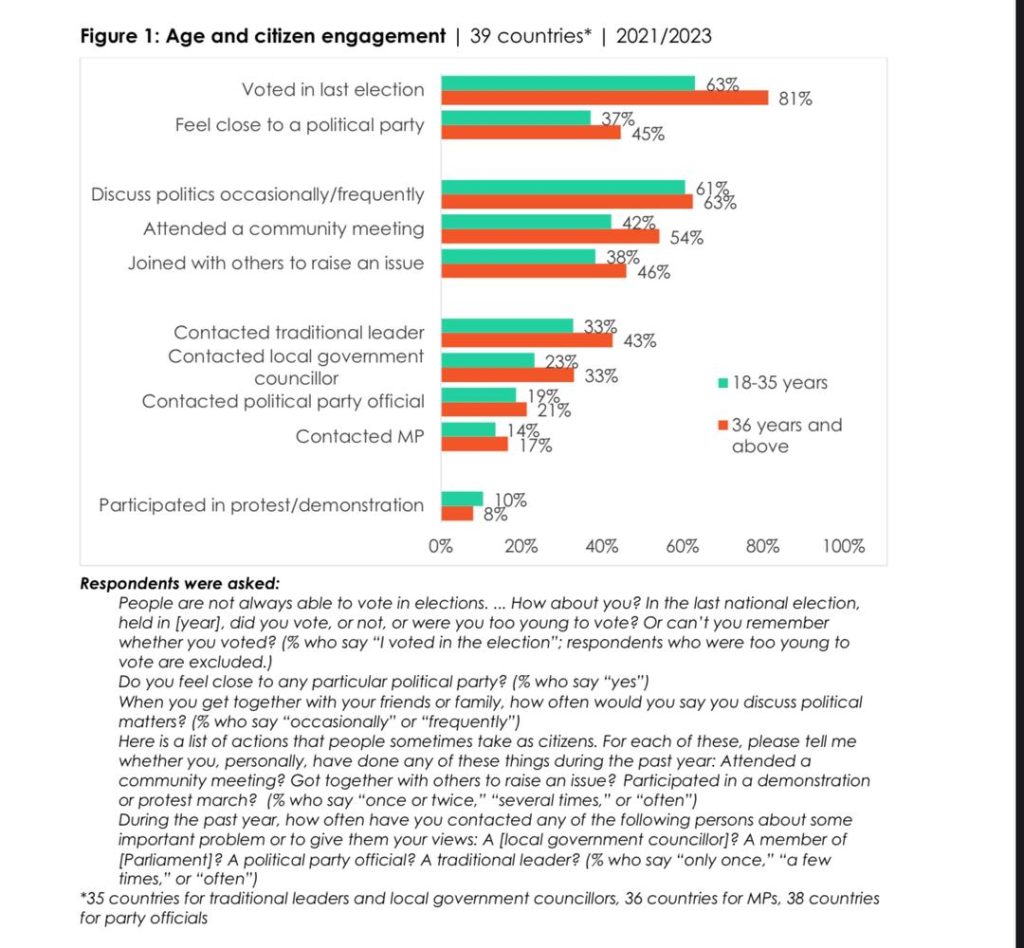
A new flagship report by Afrobarometer highlights a stark generational divide: African youth, aged 18 to 35, participate less than their elders in nearly every aspect of political and civic life, except one, protest, where they are often more engaged.
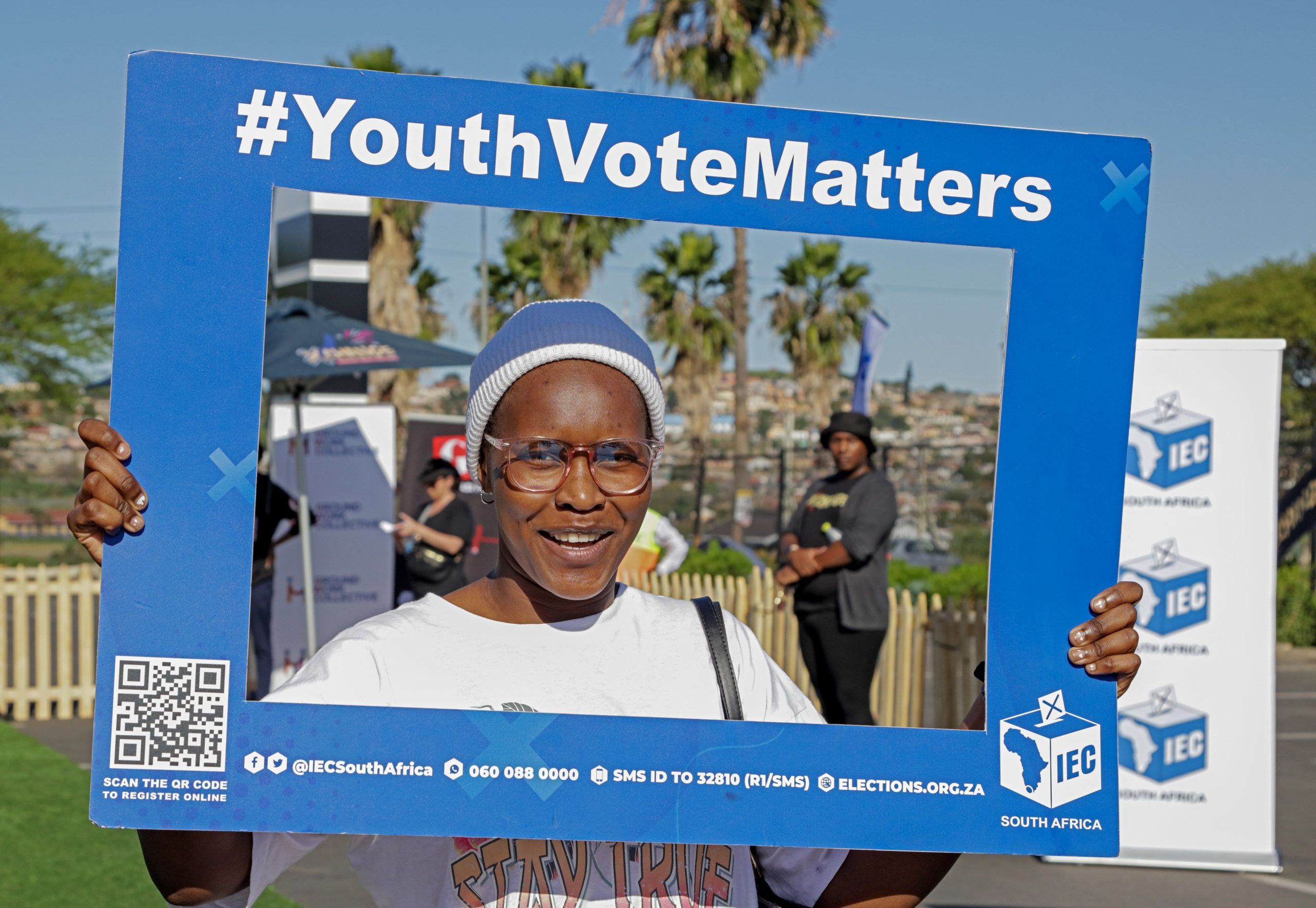
On the world’s youngest continent, where youth make up a majority of the population, Africa’s young people are still struggling to find their place in formal political and civic arenas.
A new flagship report by Afrobarometer highlights a stark generational divide: African youth, aged 18 to 35, participate less than their elders in nearly every aspect of political and civic life, except one, protest, where they are often more engaged.
Drawing on 53,444 face-to-face interviews conducted in 39 African countries, representing over three-quarters of the continent’s population, the report offers compelling insights into youth civic engagement over the past decade. It is accompanied by detailed country scorecards that provide snapshots of youth participation nationally.
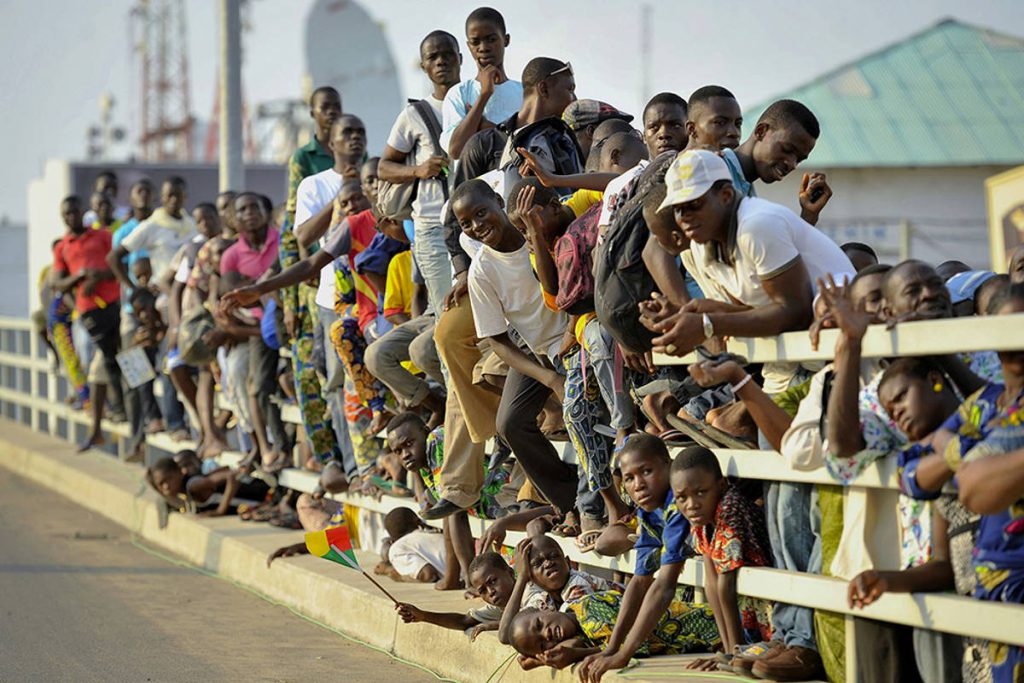
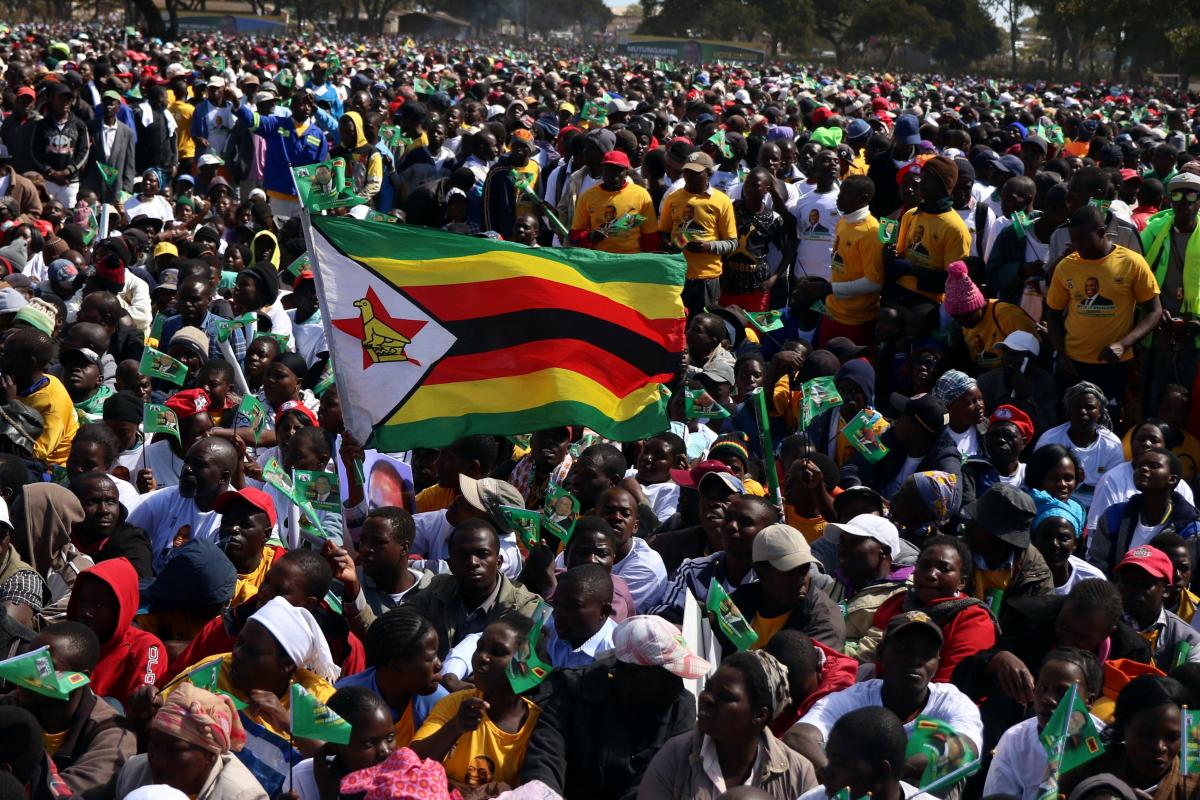
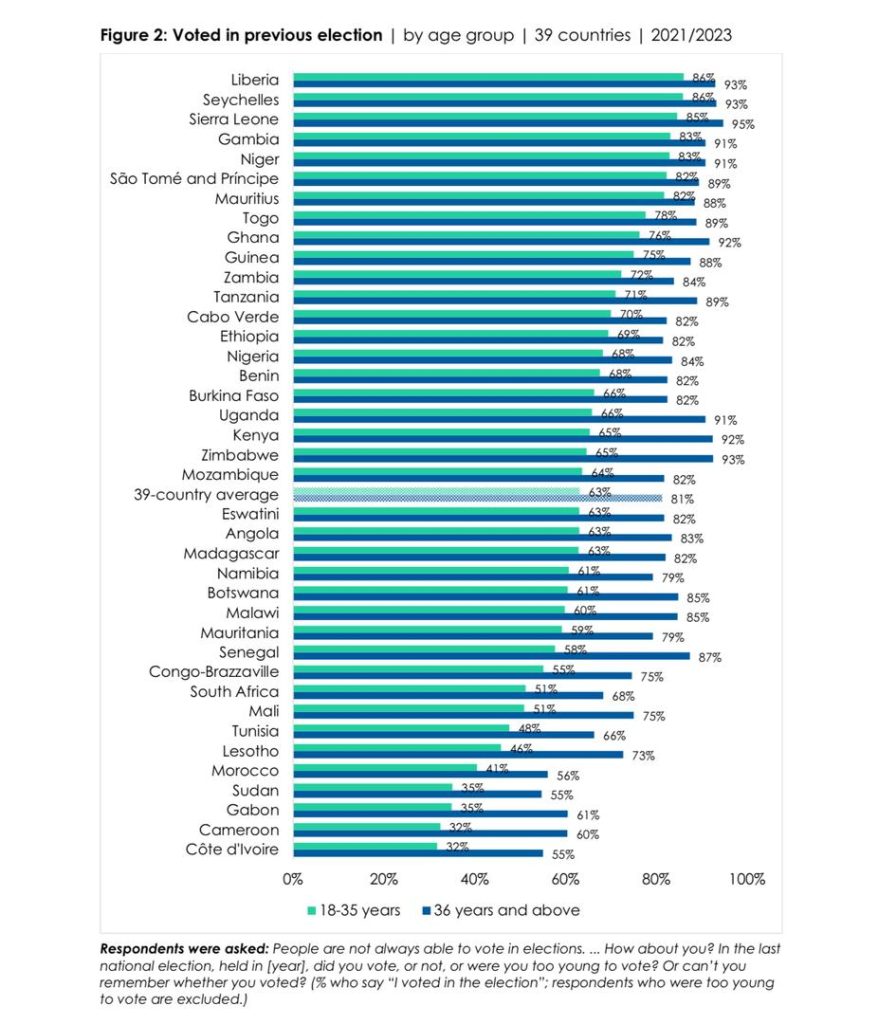
The most significant disparity between young Africans and older generations lies in voting, with youth turnout trailing elders by an average of 18 percentage points. Countries such as Senegal, Cameroon, and Zimbabwe exhibit the widest gaps, with youths voting nearly 29 percentage points less frequently than older voters.
This phenomenon presents a grave challenge for democracies, considering Africa’s demographic surge; young people are critical stakeholders in shaping the continent’s future, yet their voices remain underrepresented in elections.
The youth vote, however, has shown signs of dynamism in recent years, with numerous youth-led protests and mobilisations impacting electoral outcomes in several countries. Despite this, persistent challenges, including political disengagement, mistrust, and socioeconomic barriers, continue to hamper broad youth electoral participation.
READ MORE: Kenya Police Open Fire on Protesters as Saba Saba Anniversary Marked by Unrest
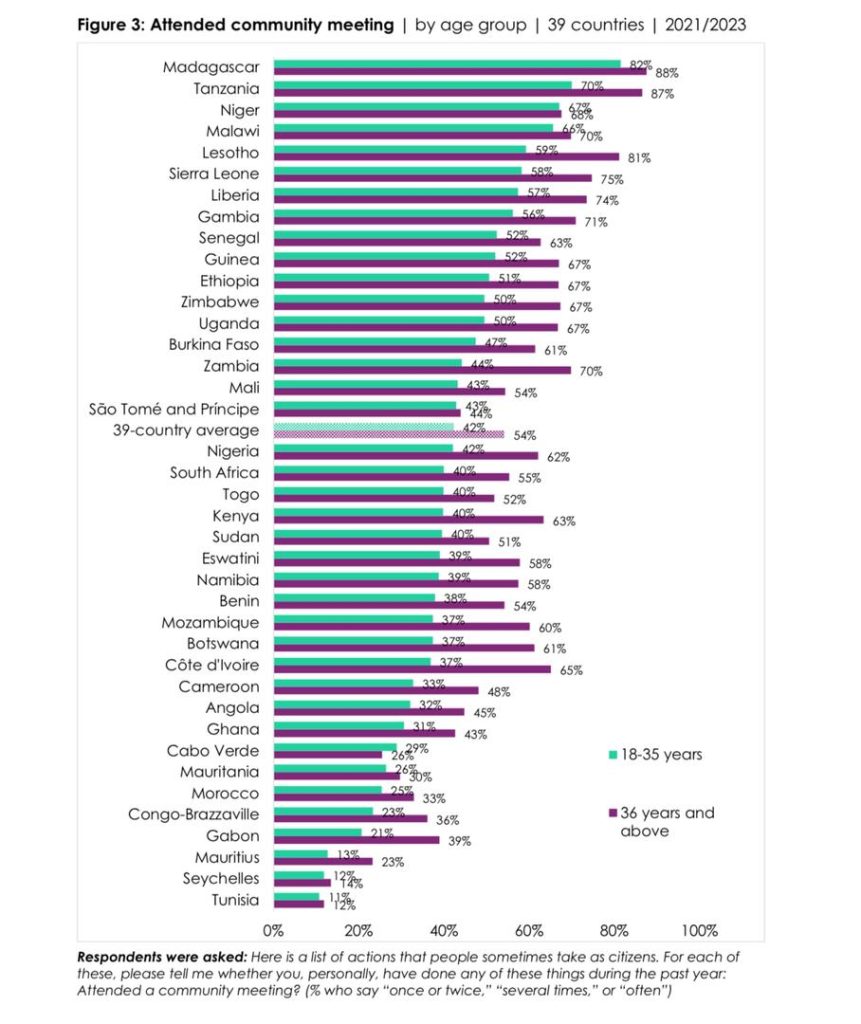
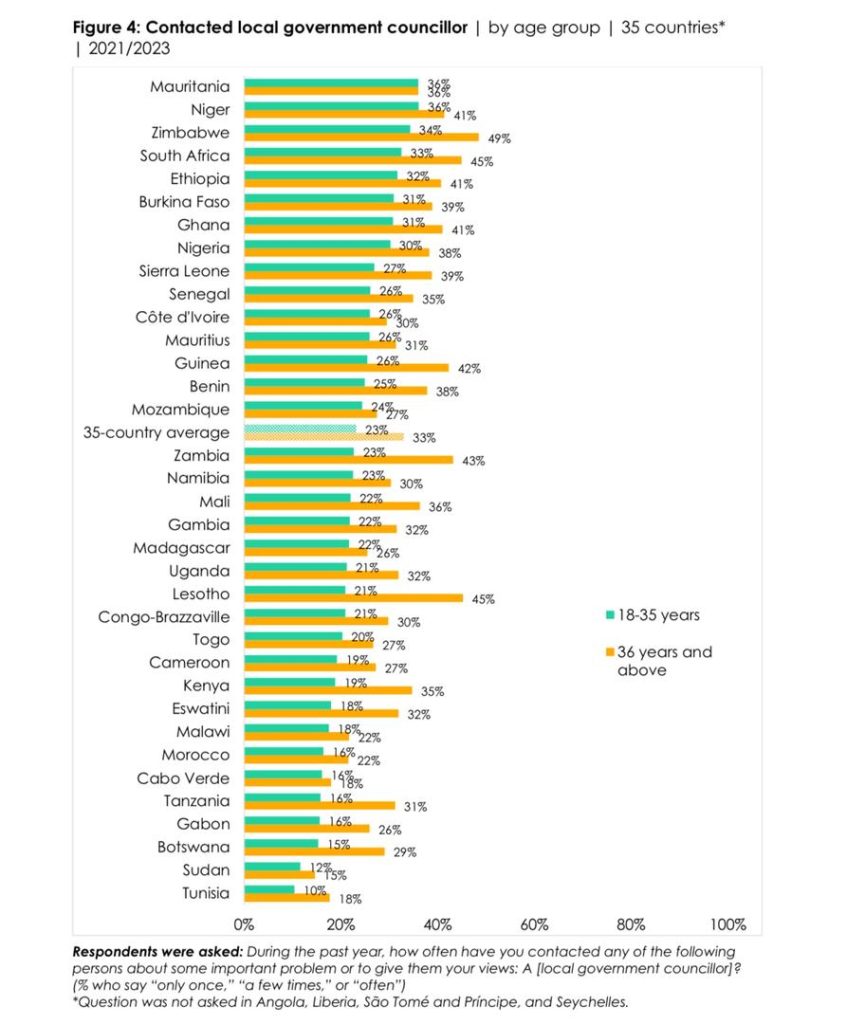
Beyond elections, African youth show significantly lower involvement in a range of political and civic activities compared to older generations. Their likelihood to attend community meetings is 12 percentage points lower; contacting traditional leaders or local government councillors each lags by 10 points; feeling a close affinity to political parties and joining communal efforts to raise issues trails by 8 points each.
These findings illuminate a broader disengagement from formal institutions and mechanisms of participation, signalling potential disconnects between youth priorities and existing political structures.
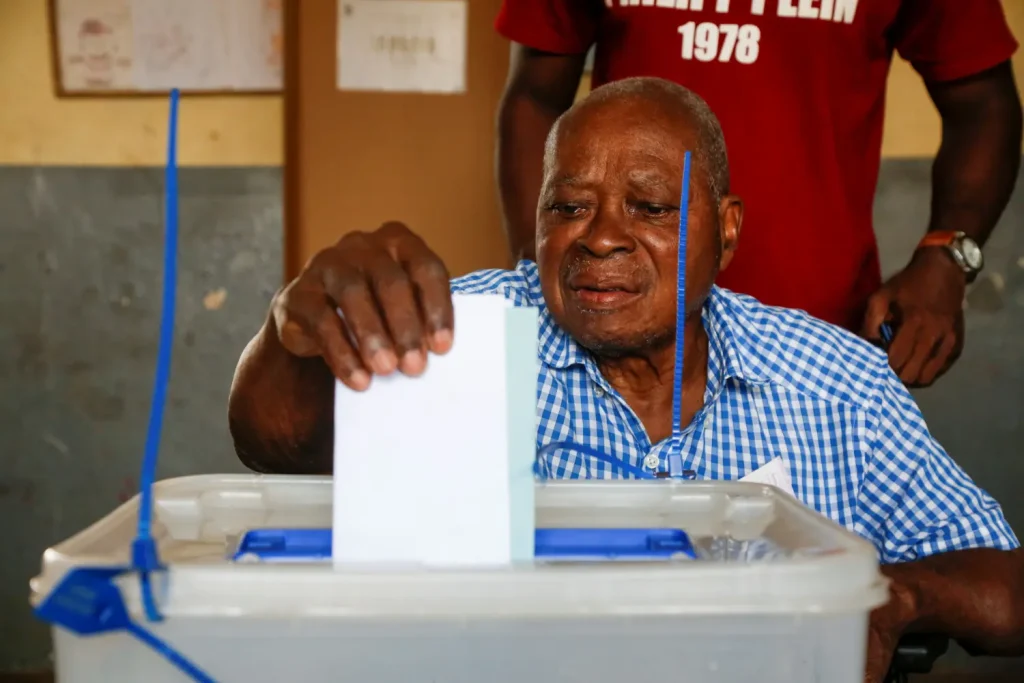
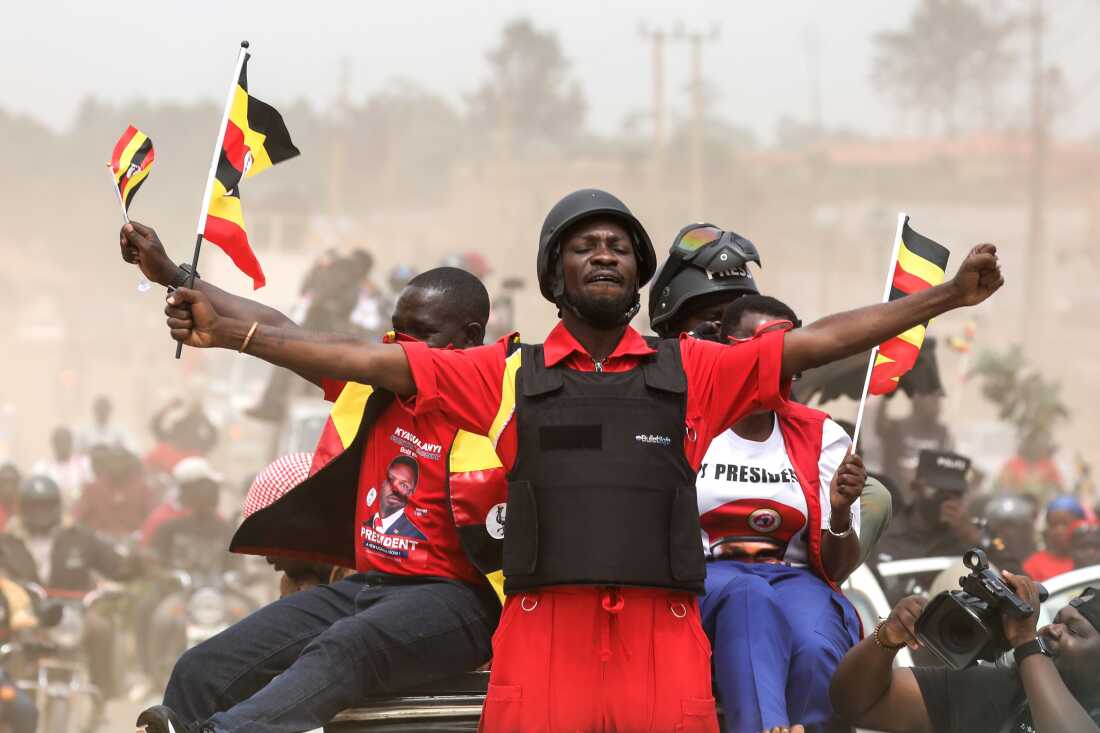
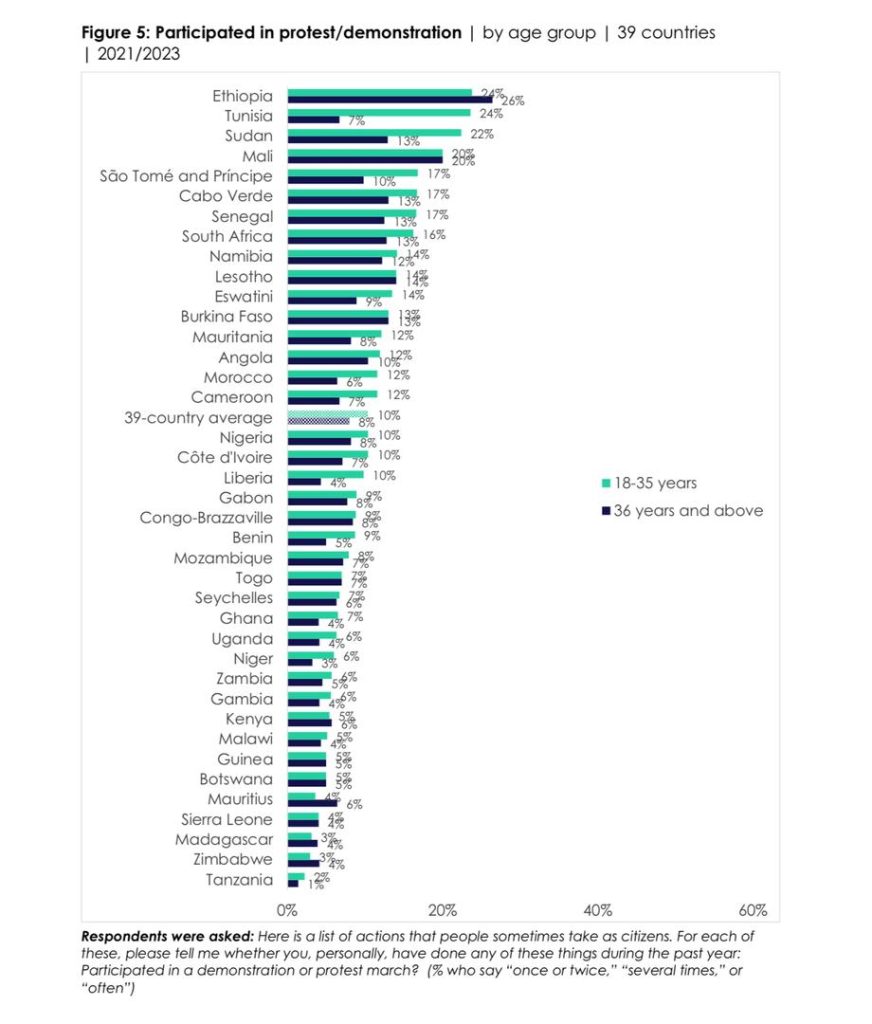
In a notable contrast, young Africans surpass elders in protest participation, embracing this form of civic action as a vibrant outlet for political expression and activism. The gap is modest in most countries but pronounced in Tunisia (+17 points), Sudan (+9 points), and São Tomé and Príncipe (+7 points). Such high protest involvement reflects youth seeking alternative channels to voice demands, challenge governance shortfalls, and demand accountability when conventional mechanisms appear closed or ineffective.
The report’s country-specific data reflect diverse contexts where barriers, traditions, and political cultures shape youth engagement. For example:
- Community meeting attendance gaps are most significant in Côte d’Ivoire (-28 points), Zambia (-26 points), and Botswana (-24 points).
- Direct contact with local government officials reveals the biggest youth deficits in Lesotho (-24 points), Zambia (-20 points), Guinea (-16 points), and Kenya (-16 points).
Such local disparities underscore the need for tailored strategies that address specific obstacles and opportunities within countries.
Experts point to a mix of factors contributing to youth disengagement: disillusionment with political parties, perceived corruption, limited economic opportunities, gaps in political education, and structural challenges in political systems.
READ MORE: Thousands rally in Malaysia to call for PM Anwar’s resignation
In South Africa, for instance, youth voter registration and turnout have waned over the years, reflecting broader global trends of political apathy among younger cohorts. Meanwhile, social media and digital platforms have become new arenas where young people express political opinions and organise collective action, though these may not translate directly into formal political participation.
Africa’s youthful population is both its greatest asset and a pressing governance challenge. Ensuring that young people are meaningfully engaged in democracy is essential for political stability, inclusive growth, and social cohesion.
While low electoral and civic participation rates are concerning, the vibrancy of youth-led protests and emerging digital activism suggests potential for renewed political engagement, if channelled into institutional reforms and inclusive governance.
Afrobarometer’s findings call on governments, political parties, civil society, and international partners to innovate and expand youth engagement avenues:
- Lower barriers to political participation and enhance youth representation in decision-making bodies.
- Invest in civic education and leadership development tailored to youth.
- Promote transparency, accountability, and responsiveness in governance to rebuild trust.
- Leverage digital tools to connect and mobilise youth constructively.
Integrating youth as active stakeholders is critical for sustainable democracies and achieving Agenda 2063 ambitions for a prosperous Africa.
Since 1999, Afrobarometer has conducted nine survey rounds across up to 42 countries, producing reliable data on democracy, governance, and quality of life. This latest report reaffirms its role in equipping policymakers and stakeholders with evidence to understand and address citizen engagement dynamics continent-wide.