JOHANNESBURG – Across South Africa and much of the world, the pursuit of weight loss has evolved from a personal health choice into a booming, and at times dangerous, industry, one where desperation, social pressures and stark inequalities collide.
The rise of cheap, easy-to-access solutions might promise rapid results, but the emerging reality is that the true cost of “quick weight loss” may be far greater than the price on a cashier’s receipt, affecting bodies, wallets and public health systems alike.
At the heart of this story is a booming black market for weight-loss injections such as GLP-1 receptor agonists, a class of drugs originally developed for people with type 2 diabetes that has gained global attention for its remarkable effect on appetite and body weight.
In South Africa, the proliferation of unregulated versions of these drugs, often purchased via WhatsApp groups, social media or informal networks, has exposed health risks that authorities and clinicians warn could have far-reaching consequences.
Unregulated drugs and hidden risks
Consider the experience of one South African woman who ordered a knock-off version of a popular injectable online. The product, mailed in a plain box with no instructions, required her to mix and self-administer the injections. While initial results seemed positive, the absence of dosing guidance, medical oversight and quality assurance posed significant risks. The illicit trade in these products underscores a regulatory gap: many of these drugs are untested, unverified and potentially dangerous.
The South African Health Products Regulatory Authority (Sahpra) has approved only a small number of legitimate GLP-1 medications, such as semaglutide and tirzepatide, for clinical use. However, compounded versions, often marketed as cheaper alternatives, evade stringent quality controls and can contain harmful contaminants, incorrect dosages, or no active ingredient at all.
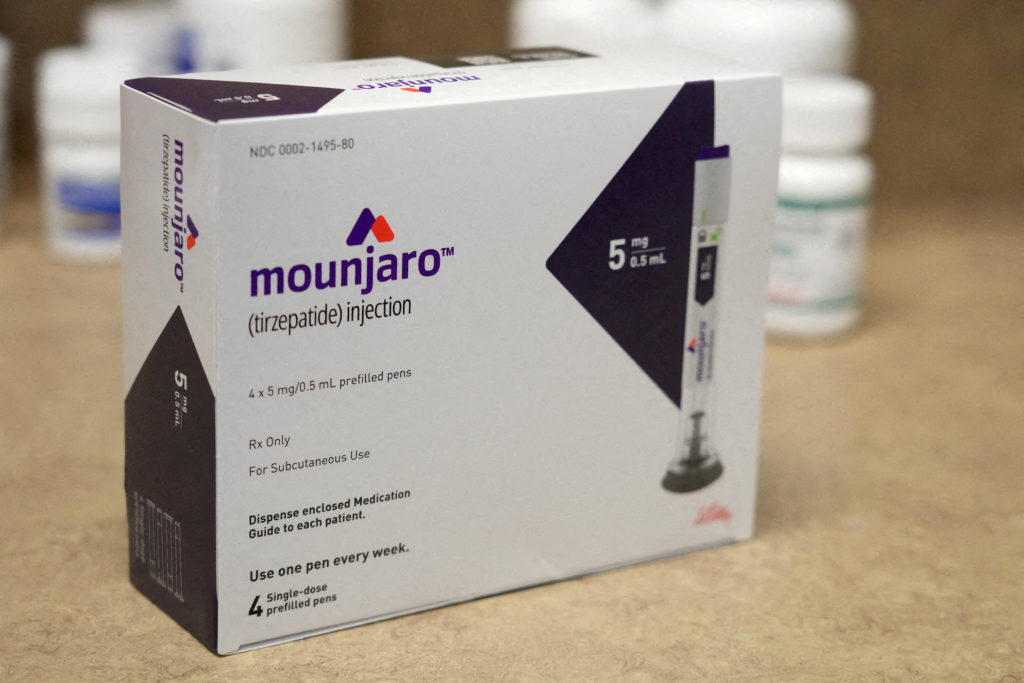
Medical experts are deeply concerned. Unregulated products may cause serious side effects, ranging from allergic reactions and infections to dangerous metabolic imbalances. They can also mask underlying health issues, leaving users without proper diagnosis or monitoring. In some countries, regulators have responded with bans on compounded versions precisely because they pose unacceptable safety risks.
The allure of quick results
South Africa’s vulnerability to this trend is rooted in a broader public health crisis. The country has the highest obesity rate in sub-Saharan Africa, with obesity prevalence climbing steadily over recent decades. High levels of overweight and obesity, driven in part by cheap, ultra-processed foods and socio-economic disparities, have created fertile ground for demand in dramatic weight-loss aids.
Ultra-processed foods, calorie-dense, nutrient-poor options that are often cheaper and more accessible than fresh produce, contribute heavily to unhealthy weight gain.
The cost of healthier food choices, when set against stagnant incomes and inflationary pressures, often makes sustainable nutritional changes a distant dream for many households.
In this environment, the appeal of a “magic injection” that dulls appetite and promises visible results in weeks is easy to understand. Social media amplifies this allure, with influencers and non-experts sharing anecdotal successes without context, often obscuring side effects or long-term consequences.

Global regulators have documented similar patterns, where criminal networks exploit demand by selling counterfeit or substandard weight-loss drugs online, sometimes leading to hospitalisations and other severe outcomes.
The cost beyond money
The financial cost of legitimate weight-loss medications, often thousands of rand per month, places them out of reach for most South Africans. With no state sector access and limited private health insurance coverage, many turn to cheaper, unregulated alternatives that may offer short-term gains but threaten long-term health.
Beyond individual risk, this trend highlights deeper structural issues within public health: the gap between clinical need and access to safe, effective treatments. When regulated treatments are inaccessible due to cost, patients are incentivised to explore unregulated markets. This not only undermines regulatory authority but also exposes systemic inequities, where those with the fewest resources bear the greatest health risks.
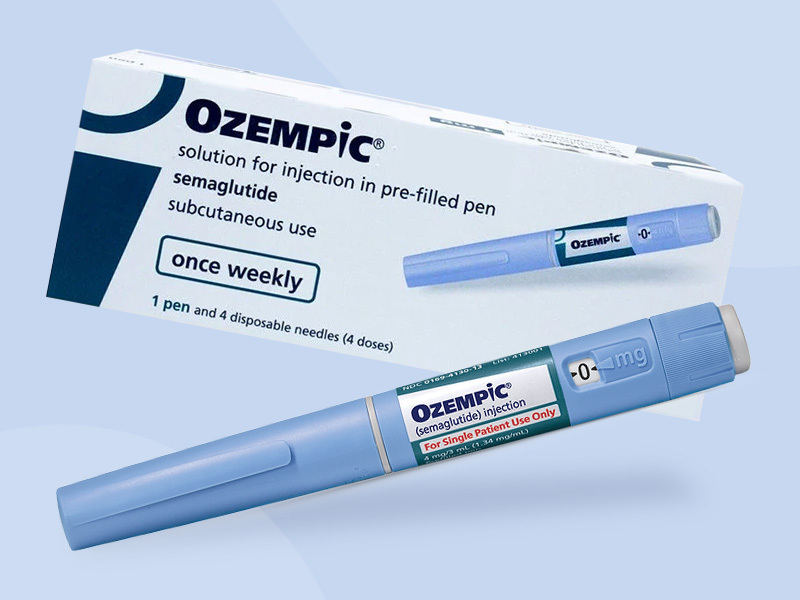
Experts also caution that even legitimate weight-loss drugs are not one-size-fits-all solutions. Side effects can include gastrointestinal discomfort and other metabolic changes, and discontinuation often leads to rapid weight regain, underscoring that these therapies are tools to be used within broader health strategies, not quick-fix solutions.
ALSO READ: Early Detection Shifts the Tide in Madagascar’s Long Fight Against Leprosy
Medical Aesthetic specialist, Dr Bongiwe Shongwe of Dr Boe Medical Aesthetics, says patients and clients need to be careful of what they put in their bodies and pay attention to shady practitioners who just dish out treatments without following proper medical care.
“Caution is essential when prescribing GLP1s. In my clinic, medical evaluation and laboratory tests are paramount prior to initiation, as obesity is not a condition on its own but is often accompanied by other metabolic conditions. Although these agents are FDA approved, the long-term safety data, particularly for none diabetics, is limited. Many patients present with underlying medical conditions, which may present contraindications as a results ongoing clinical monitoring is important while taking GLP1s,” she said.
A call for holistic, sustainable approaches
The emerging picture is clear: there are no easy shortcuts to sustainable health. Quick-fix products, whether unregulated jabs or dubious supplements, may appeal in the moment, but they risk harming individuals and overwhelming health systems with preventable complications. Research on fad diets and unproven supplements repeatedly underscores that such approaches rarely deliver long-term benefits and can compound health problems.
What is required, say clinicians and public health advocates, is a shift toward accessible, evidence-based approaches: nutritional guidance, community support, policies that make healthy food affordable, and clinical access to proven treatments under appropriate medical supervision. Empowering patients with education and trusted healthcare pathways is essential if the fight against obesity and the exploitation that surrounds it is to be won.
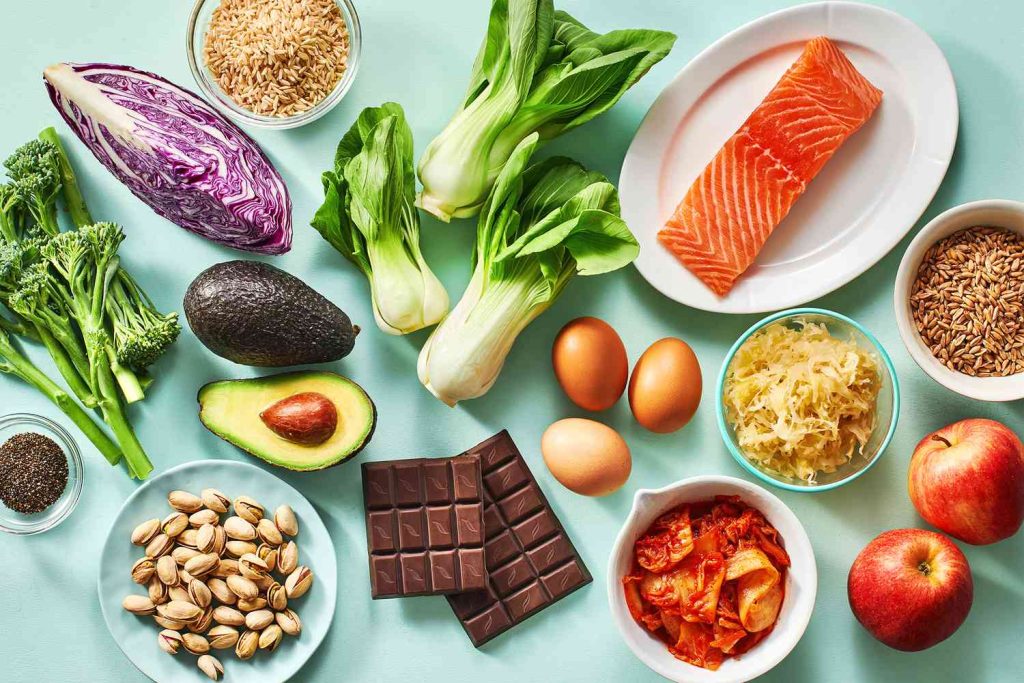
Dietitian, Khumbuzile Dlamini from KSD Dietitian, says weight loss needs to be accompanied by healthy eating and living. She says weight loss needs to be accompanied by behaviour changes to ensure that individuals lose weight and prevent weight regain.
“Many fad diets teach people how to lose weight but never how to keep it off. Behaviour changes are a vital part of the weight-loss process because many of the behaviours individuals exhibit are a product of years of subconscious wiring, which starts in infancy, and to ensure successful weight loss requires facing your reality about your relationship with self and food and how it has affected you. Working with qualified professionals is a vital part of making behaviour changes to ensure that the advice and guidance given does not put you at health risks as you embark on the weight loss journey. It is important to remember that food has many roles to play in the body and is not merely a tool to use to silence the stomach,” she said.
The quest for quick weight loss, fuelled by desperation and amplified by digital platforms, has generated a shadow economy where the cheapest options are often the most dangerous. As South Africa confronts its obesity epidemic, policymakers, healthcare providers and communities must grapple not just with the dangers of cheap weight-loss products, but with the socio-economic conditions that make these “solutions” seem like the only option. The true cost of cheap weight loss may very well be counted not only in rands but in lives.