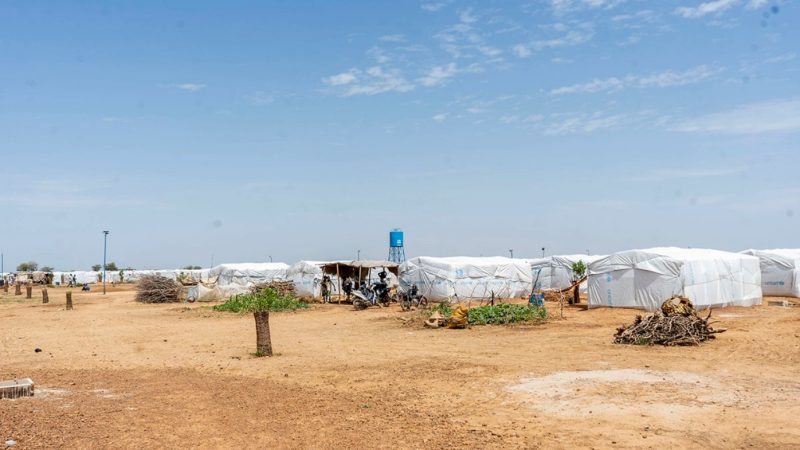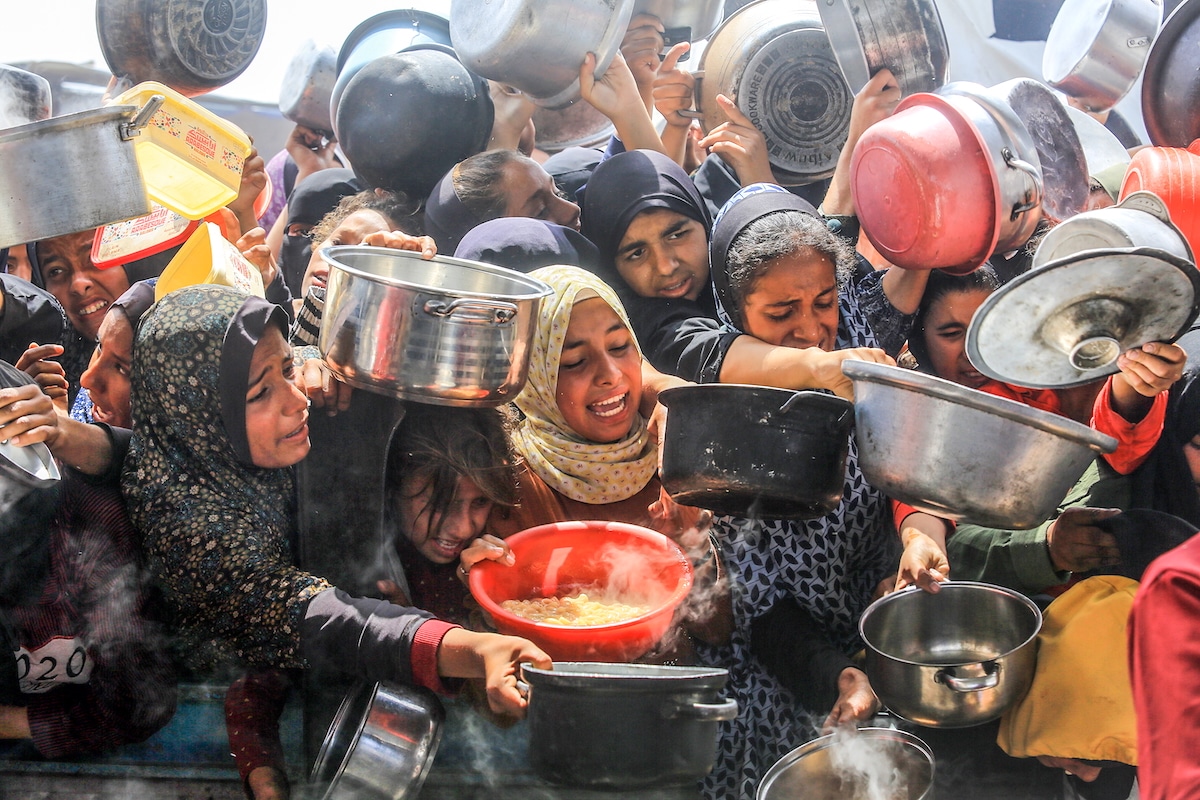
GENEVA, Switzerland — The number of people facing hunger worldwide decreased slightly in 2024, but this overall improvement masks a deepening crisis in Africa and parts of Western Asia, according to a new UN report that warns of growing food insecurity and nutritional disparities.
The State of Food Security and Nutrition in the World (SOFI) 2025 report, released Monday at the UN Food Systems Summit in Addis Ababa, indicates that global hunger affected approximately 673 million people in 2024, a decrease from 685 million in 2023. This marks the second consecutive year of decline. However, hunger continues to rise in several regions, especially in Africa, where more than 1 in 5 people now live with insufficient food.
Africa’s Alarming Numbers
According to the report, 307 million Africans were undernourished in 2024, a sharp increase that places the continent at the center of the global food crisis. The prevalence of hunger in Africa surpassed 20%, the highest rate globally and is being driven by a mix of conflict, climate shocks, economic instability, and inflation.
The situation is equally troubling in Western Asia, where 12.7% of the population, roughly 39 million people, faced hunger last year.
ALSO READ: In Mékro, Sustainable Farming Is Sowing Hope and Transforming Lives
The UN agencies behind the report, FAO, IFAD, UNICEF, WFP, and WHO, are urging global and regional policymakers to act decisively.
“Progress is being made, but it’s uneven and far too slow,” said FAO Director-General QU Dongyu. “Africa is falling behind, and we need bold action.”
Rising Prices, Shrinking Plates
The report points to food price inflation as a key barrier to recovery. From 2021 to 2023, food inflation outpaced general inflation in most regions, peaking at 13.6% in January 2023. In low-income countries, the effects were even more dramatic, with food inflation soaring to 30% in May 2023.
Despite this, the number of people globally unable to afford a healthy diet fell slightly from 2.76 billion in 2019 to 2.6 billion in 2024. However, in low-income African nations, the opposite trend emerged: 545 million people could not afford a healthy diet in 2024, up from 464 million in 2019.
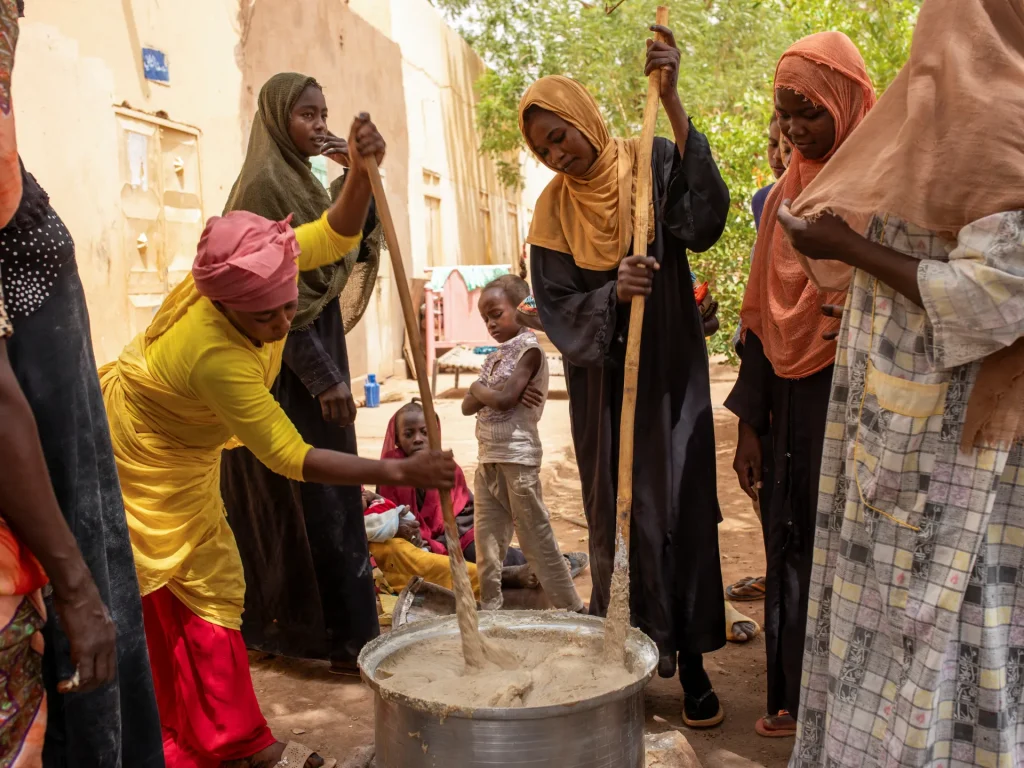
While hunger dominates headlines, malnutrition in all its forms remains a silent crisis. Child stunting has declined globally from 26.4% in 2012 to 23.2% in 2024 and exclusive breastfeeding rates have increased. But obesity and anaemia are on the rise, especially among women.
“Around 190 million children under five are still affected by undernutrition,” said UNICEF Executive Director Catherine Russell. “This has lifelong consequences, particularly for those in regions where food inflation has wiped out access to nutritious diets.”
What It Means for Africa’s Future
For Africa, the crisis runs deeper than short-term hunger. Food insecurity is threatening long-term development, economic stability, and even peace.
According to the report’s projections, Africa will account for nearly 60% of the world’s chronically undernourished people by 2030. That has serious implications for everything from child education and health to workforce productivity and migration.
“Food security is not just a humanitarian issue, it’s a foundation for stability and growth,” said IFAD President Alvaro Lario. “We need targeted investments in agriculture, infrastructure, and rural communities.”
What Can Be Done
The report calls for an integrated response:
- Emergency food aid where needed, especially in conflict zones.
- Social protection programs to cushion vulnerable households.
- Agricultural investment and innovation to improve resilience.
- Education campaigns promoting breastfeeding and locally grown, nutritious food.
- Policy reform to address inflation, market transparency, and food affordability.
While the slight global decline in hunger is a hopeful sign, experts say that gains could be easily reversed, particularly in regions like Africa, where structural inequalities and external shocks remain persistent threats.
“Millions are still being left behind,” said WHO Director-General Dr. Tedros Adhanom Ghebreyesus. “We must ensure that everyone, everywhere, has access to safe, affordable, and nutritious food. The urgency has never been clearer.”