By Bheki Dlamini
Goma, Democratic Republic of Congo (DRC) — In the heart of eastern DRC, where conflict has persisted for decades, a horrifying crisis of sexual violence continues to escalate with devastating impact on women and girls.
As armed groups vie for control of key territories, including the provincial capital of Goma, sexual violence has become alarmingly widespread, perpetrated in homes, streets, displacement camps, and public spaces, leaving thousands traumatised and in desperate need of medical and psychological care.
A Surge in Sexual Violence Amidst War and Instability
Since January 2025, when the M23/Alliance Fleuve Congo (AFC) forces, with backing from Rwanda, seized Goma after years of fierce fighting, insecurity has skyrocketed.
Hospitals and clinics were overwhelmed by casualties during the offensive, and morgues rapidly filled. Rampant violence, crime, and violations have become commonplace in the city and surrounding areas.

Between January and April alone, over 7,400 survivors of sexual violence sought treatment at Ministry of Health facilities supported by Médecins Sans Frontières (MSF) in Goma. An additional 2,400 survivors were treated in nearby Saké in the same period. In 2024, MSF teams treated nearly 40,000 women across North Kivu province, a record high reflecting the deepening crisis.
“These numbers are horrifying but likely represent only a fraction of actual cases,” says François Calas, MSF’s head of program in North Kivu. “Many survivors are too afraid or unable to seek care due to stigma, fear of retaliation, or lack of access to services.”
Personal Stories of Trauma and Resilience
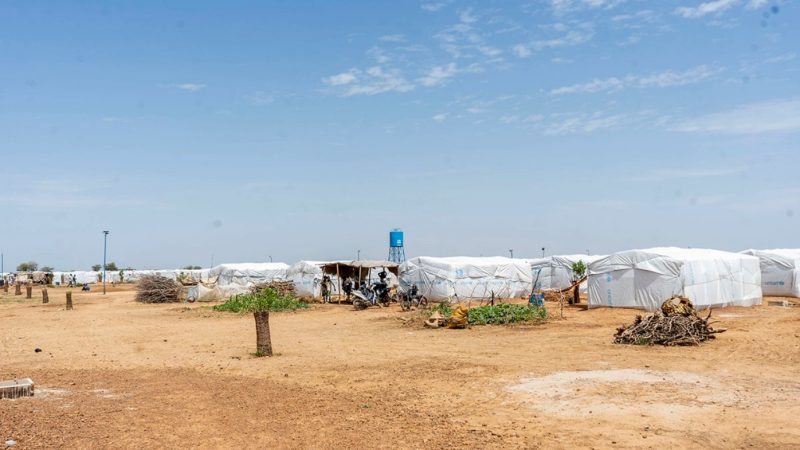
Among survivors is Nasha*, who fled her home in Masisi to escape violent clashes and lived in a camp on Goma’s outskirts with thousands of displaced people.
When M23 forces ordered the dismantling of camps in early 2025, she and her family were forced into precarious shelters in the city. One night, attackers broke into her shelter, killing her husband as he protected her before sexually assaulting her.
ALSO READ: Inside West Africa’s Fight Against Gender-Based Violence
Likewise, Denisa*, a minor displaced from Rutshuru, was raped during a home invasion by men in military uniforms. Both stories reflect a grim reality: violence against women occurs everywhere, on the streets, in host homes, and insupposed safe havens.

Armelle Gbagbo, who leads women’s health programs with MSF, explains:
“Most attacks now happen where women live. Day or night, women face sexual violence in displaced camps, rented rooms, or on the streets. And not all perpetrators wear uniforms, many are known to the victims, including family or neighbours.”
The Dismantling of Protection and Shrinking Services
The surge in violence coincides with a catastrophic reduction in humanitarian support. US budget cuts have slashed funding to key agencies, including the cancellation of a critical order of 100,000 post-rape kits designed to treat sexual violence survivors and prevent HIV infection.
“The lack of these essential kits forces many survivors to risk infections or painful, untreated injuries,” says Gbagbo. “During peak months, only a small fraction of survivors receive care within the crucial 72-hour window.”
UNFPA reports that over half of gender-based violence support services in North and South Kivu have shut down or scaled back due to funding shortages. This gap leaves many survivors with nowhere to turn, exacerbating physical and psychological trauma.
Violence Is Multidimensional and Ubiquitous
Conflict-related sexual violence, used deliberately by armed groups as a weapon of war to terrorise and control populations, is the central driver. But ongoing societal factors intensify vulnerability: displacement, poverty, and exposure to predatory criminals.
MSF’s epidemiological data confirms an alarming spike in violent incidents in Goma, with violent deaths accounting for one in four deaths recorded in the first half of 2025, and sexual violence reports multiplying fivefold compared to previous years.
ALSO READ: When Victims Become Perpetrators: Rethinking Gender Dynamics in GBV
Beyond armed perpetrators, violence by family members and close acquaintances remains significant, compounding the trauma and complicating access to justice and support.
The Humanitarian Urgency and Call to Action
Frédéric Germain, MSF’s project coordinator in Goma, paints a dire picture:
“The city is gripped by fear, with rampant insecurity and armed criminals dominating at night. Many families face abduction, violence, and dispossession daily.”

Sarah*, another survivor, laments the disappearance of her husband following a brutal kidnapping, a fate shared by countless others.
The immense needs exceed the currently available resources. MSF and partners urge all parties to improve civilian protection and facilitate unhindered access to care for survivors. They also appeal to the international community to reverse funding cuts and prioritise this life-saving assistance.
The Long Road to Healing and Justice
For women and girls in eastern DRC, nowhere is truly safe. Decades of conflict have not only fractured communities but also shattered trust and security. Medical treatment, psychological support, legal recourse, and social reintegration remain critically under-resourced.
Humanitarian organisations stress that addressing sexual violence must be integrated into broader efforts to stabilise the region politically, economically, and socially.
As the conflict persists, the stories of survivors like Nasha, Denisa, and Sarah are a heartbreaking reminder of the urgent need for comprehensive protection and healing for the most vulnerable. Their resilience fuels hope for a future where dignity and justice prevail.
*Names have been changed to protect identities.