
The takeover saga began in earnest in 2024 when the consortium first proposed a standby offer of R120 per share, valuing the group at roughly R23 billion.
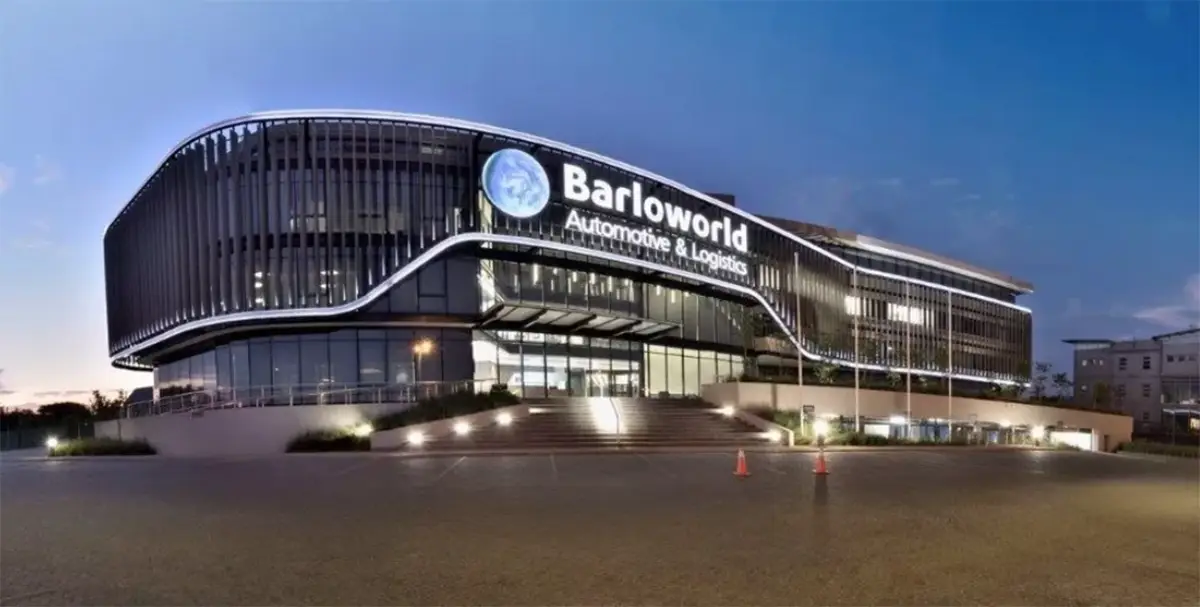
JOHANNESBURG – In a landmark corporate transaction that marks one of the largest foreign-linked acquisitions in recent South African history, a Saudi Arabia-led consortium has successfully completed a R23 billion takeover of industrial giant Barloworld, signalling a major shift in the ownership structure of one of the country’s most enduring business names.
The compulsory acquisition of the remaining shares by the consortium vehicle Newco, made up of Gulf Falcon Holding, a subsidiary of Saudi Arabia’s Zahid Group, and South African partner Entsha, was implemented on 22 January 2026, paving the way for Barloworld’s departure from public markets. The company’s ordinary shares are set to be delisted from the Johannesburg Stock Exchange (JSE) and A2X on 27 January 2026.
Barloworld , established in 1902 and headquartered in Sandton, has been a cornerstone of South Africa’s industrial landscape for decades. The company is the exclusive distributor of Caterpillar construction equipment across Southern Africa, with operations extending into logistics, automotive, and related industrial services. Its presence on the JSE has made it a staple of local investment portfolios and a bellwether for industrial activity.

The takeover saga began in earnest in 2024 when the consortium first proposed a standby offer of R120 per share, valuing the group at roughly R23 billion. This offer was designed as an alternative route after an initial scheme of arrangement failed to secure the required shareholder support. The latter standby offer drew sufficient acceptance, including roughly 97.6 per cent of standby offer shares, allowing Newco to invoke the squeeze-out provisions of the Companies Act and compulsorily buy out dissenting minority shareholders.
READ MORE: Historic Shift in South Africa’s Auto Industry as Nissan Sells Rosslyn Plant to China’s Chery
For many South African investors and industry watchers, the completion of the takeover raises questions about the future strategic direction of a company that has been publicly traded for generations.
Proponents of the move argue that private ownership could enable longer-term strategic planning, shielded from the short-term pressures of quarterly reporting and market volatility.

Newco has stated its intention to support Barloworld’s existing industrial growth strategy, preserve its operational DNA in South Africa, and pursue opportunities across the continent, including expanding its Caterpillar dealership network and adjacent business segments.

Yet the path to the finish line was not without controversy. Earlier in the process, major shareholders, including the Public Investment Corporation (PIC), which held about 21.93 per cent of Barloworld’s shares, initially resisted the bid, expressing governance concerns and demanding safeguards related to transformation and transparency.
After negotiations, the PIC eventually accepted the standby offer subject to conditions, including a commitment to implement a 13.5 per cent broad-based black economic empowerment (BEE) transaction following delisting.
This empowerment component has been highlighted as essential to securing public interest approval and aligning the deal with South Africa’s broader socio-economic transformation agenda. The Competition Tribunal’s earlier clearance of the transaction also included oversight conditions focusing on employment protection and empowerment measures as the company transitions to private control.
READ MORE: Murray & Roberts Faces Liquidation After 120 Years
The Barloworld transaction comes at a time of heightened interest in Africa’s industrial and infrastructure sectors by Middle Eastern investors. Saudi conglomerates such as ACWA Power are actively pursuing energy and industrial investments across the continent, while logistics and manufacturing linkages between Saudi and African firms have expanded in recent years.
For South Africa, the deal underscores both the opportunities and complexities of attracting large-scale foreign capital. On one hand, the influx of investment and premium paid to shareholders reflects confidence in the long-term value of South African industrial enterprises. On the other, it spotlights ongoing debates about economic sovereignty, national strategic assets and the role of offshore capital in local business ecosystems.
Economists and market analysts caution that while foreign investment can catalyse growth, it must be paired with robust regulatory frameworks that safeguard jobs, foster skills transfer, and ensure meaningful local participation, particularly in sectors that are critical to industrial capacity and employment. The Barloworld deal’s empowerment commitments are therefore likely to be watched closely as the company restructures under private ownership.


