Today, hope is rising that such impossible choices may soon be a thing of the past, as Sierra Leone edges closer to fulfilling the promise of Universal Health Coverage (UHC).

For tens of thousands of Sierra Leonean families, seeking medical care has long meant choosing between their health and their livelihoods.
Today, hope is rising that such impossible choices may soon be a thing of the past, as Sierra Leone edges closer to fulfilling the promise of Universal Health Coverage (UHC).
This hope was palpable during a landmark gathering in Freetown on May 6, 2025, when more than 60 high-level leaders, including ministers, technical experts, and directors, came together to review and debate the draft Sierra Leone Agency for Universal Health Coverage (SLAUHC) Bill.
The one-day policy dialogue, hosted by the Ministry of Health with support from the World Health Organisation (WHO), may prove a turning point for a nation where less than 1% of the population currently enjoys any social health protection.
Living on the Edge: The Human Cost of Out-of-Pocket Health Expenses
For ordinary Sierra Leoneans, a bout of illness can mean financial ruin. More than half of all health spending—56%—comes directly from families’ pockets, compared to a sub-Saharan average of 30%.
This heavy burden often leaves the sick untreated, children pulled out of school, and entire households pushed deeper into poverty after a medical crisis. With foreign donors footing about 75% of the health sector bill, stability and sustainability have been persistent worries.
READ MORE: From Diamonds to Dirt: Sierra Leone’s Youth Dig Up New Hope from an Old Wound
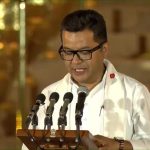
“No healthcare service is truly free,” said Chief Medical Officer Dr. Sartie Kenneh during the session. “While it may be free at the point of delivery, someone ultimately bears the cost. We must collectively design a sustainable model that truly leaves no one behind.”
A Bill Rooted in Inclusion and Ambition
The SLAUHC Bill seeks to knit together Sierra Leone’s fragmented health financing mechanisms: the celebrated Free Healthcare Initiative (FHCI), which covers vulnerable mothers and children, and the Sierra Leone Social Health Insurance Scheme (SLeSHI), aimed at broader population protection. At the heart of the proposal is a dedicated agency that would oversee and unify these efforts, ensuring fairer access, greater efficiency, and real financial protection for everyone.
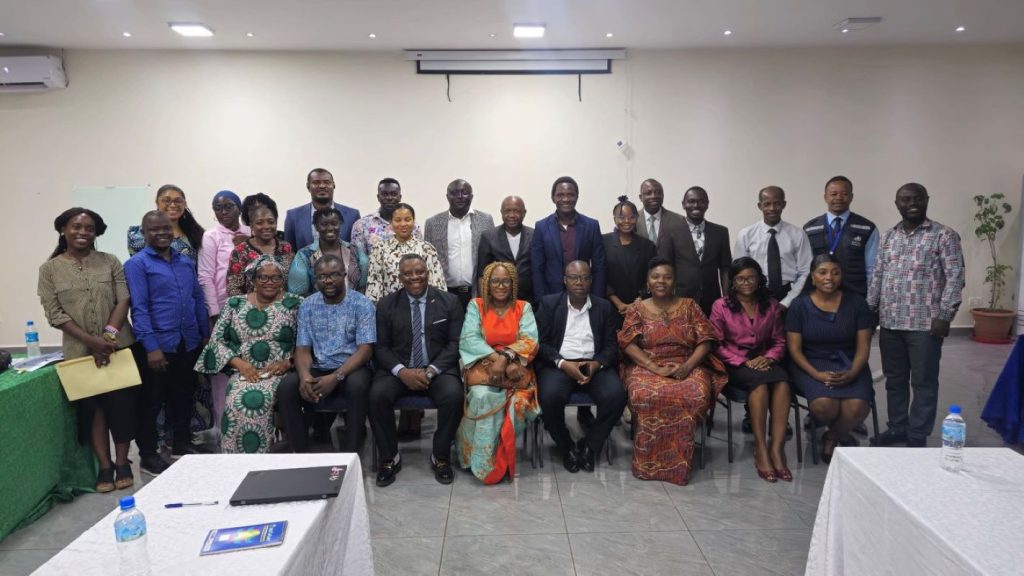
During the dialogue, leaders and experts debated the bill’s scope and structure, stressing the need for a model that not only finances care but also strengthens accountability and quality. Dr. Ibrahim F. Kamara, representing WHO, called the bill “a transformative step in Sierra Leone’s journey toward sustainable health financing,” and pledged continued international support for capacity building and best practices.
The session wasn’t just about technical details. For many in the room, it was about learning from the past and building trust for the future. With only around 1% of Sierra Leoneans shielded from catastrophic health bills, the stakes are deeply personal for nearly every household.
READ MORE: African Cities Deepen Fiscal Reforms to Drive Sustainable Development
The policy dialogue aimed to build consensus and align the new legislation with the Ministry’s ambitious UHC Roadmap and operational strategies. The next step: submitting a consolidated proposal to the Inter-Ministerial Committee for review.
A Pathway to “Health for All”
If enacted, the SLAUHC Agency will serve as Sierra Leone’s central hub for health resource mobilisation and regulation, overseeing major benefit programs and, crucially, holding the government accountable to its pledge to achieve health for all.
For community health worker Aminata Koroma in a rural village outside Bo, news of the bill’s progress offers hope for her neighbours, who too often fear going to the local clinic.
“Even a simple fever can become a disaster for a family,” she explains. “If this new agency helps people worry less about money and more about healing, it will change our lives.”
With WHO’s technical backing and broad-based national support, Sierra Leone is sending a clear signal that it will not give up on UHC. This is about more than policy. It is about mothers, fathers, and children who deserve a future where the pain of illness is not compounded by the pain of crushing debt.
As Sierra Leone edges closer to passing the SLAUHC Bill, a new chapter in public health and hope may just be beginning.