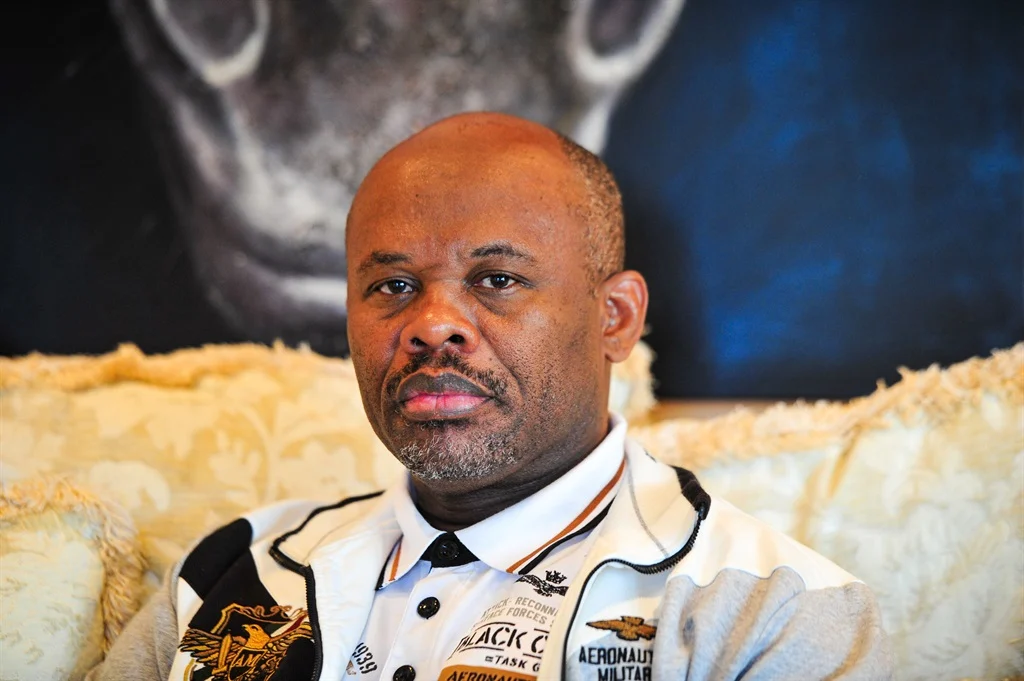
JOHANNESBURG, South Africa – In a case that exposes the fragile state of South Africa’s Police Service (SAPS), Lieutenant General Shadrack Sibiya, Deputy National Commissioner of Crime Detection, will this week be locked in a court battle challenging his suspension, an ordeal he argues is steeped in procedural unlawfulness, political intrigue, and institutional chaos.
The drama will unfold in the Gauteng High Court, Pretoria, on Tuesday, where Sibiya has taken the step to seek judicial relief against what he describes as an unlawful suspension and an irregular disciplinary process imposed by National Commissioner General Fannie Masemola and endorsed by the Police Minister. The court filings, including Sibiya’s voluminous replying affidavit submitted on August 19, 2025, reveal a saga of contradicting narratives, contested authority, and the struggle for dignity within a sinking institution.
The Core of the Dispute: Unlawful Suspension and Procedural Flaws
Sibiya’s legal argument hinges on a foundational point: that the National Commissioner’s decision to instruct him to “stay at home” pending investigation is unlawful because it flagrantly violates the South African Police Service Discipline Regulations, rules intended to safeguard fair treatment of SAPS members.
Remarkably, Masemola himself conceded in his answering affidavit that he did not follow the prescribed Discipline Regulations when ordering Sibiya’s suspension. Instead of affording Sibiya an opportunity to make representations before suspension, the order was imposed abruptly, based primarily on untested media allegations advanced by KwaZulu-Natal Police Commissioner Lieutenant General Nhlanhla Mkhwanazi.
ALSO READ: South Africa’s Police Service in Crisis: The Battle for Integrity Amid Political Interference
Sibiya states: “The National Commissioner failed to follow the prescribed procedure and acted arbitrarily, breaching my employment contract and applicable laws. His decision to order me to stay home was neither sanctioned by the Discipline Regulations nor the Constitution, as claimed. It must therefore be set aside.”

His affidavit further exposes a troubling inconsistency: while several Major Generals and Lieutenant Generals implicated in similar investigations were afforded procedural fairness, Sibiya alone was subjected to a different, harsher regime, allowing no immediate recourse or representations.
“The National Commissioner’s conduct evidences clear bias and malice,” Sibiya’s affidavit asserts. “He is both complainant and decision-maker in my disciplinary matter, a fundamental conflict of interest that fatally undermines the process.”
The Controversy of the Political Killings Task Team
At the heart of the allegations against Sibiya lies the contentious disbandment of the National Political Killings Task Team (NPKTT), a specialised unit formed to investigate politically motivated assassinations, a task fraught with risk and political sensitivities.
Sibiya insists he acted on clear instructions from Masemola, after directives from the Police Minister in January 2025, to disband the NPKTT and reassign case dockets. Yet controversy raged after Mkhwanazi publicly accused Sibiya of stalling investigations and obstructing justice by withdrawing case files without proper authority.

The National Commissioner’s position shifted over time, initially distancing himself from the disbandment, then blaming Sibiya for executing a wholesale docket withdrawal against instructions to do so incrementally. Sibiya’s court submissions contest this, presenting correspondence proving full knowledge and approval of his actions by the Commissioner.
As Sibiya notes, “The National Commissioner’s inconsistent narrative and after-the-fact complaints are a classic attempt to scapegoat me.”
Judicial Commission and Parallel Proceedings
Compounding the complexity is an ongoing Judicial Commission of Inquiry investigating these serious allegations, established to restore public trust and investigate police corruption and misconduct.
Sibiya challenges Masemola’s continued pursuit of disciplinary and investigative action in parallel with the Commission, arguing this undermines the independent inquiry and exposes him to double jeopardy. According to him, “The National Commissioner’s parallel process is intrusive, prejudicial, and will obstruct the Commission’s work.”
Beyond procedural matters, Sibiya’s affidavit details a precarious personal security situation. After suspension, his protection detail was curtailed without proper replacement, forcing him to appeal to SAPS for a trusted security team amid threats linked to the sensitive nature of the investigations, a stark reminder of the dangerous environment surrounding police whistleblowers and senior officers embroiled in these struggles.
What This Case Reveals
This court dispute is a window into systemic failures within SAPS, the erosion of lawful leadership, the absence of transparent processes, and deep political interference that threatens law enforcement’s credibility.
Crime expert Gareth Newham states: “When police leadership is tainted by factionalism and abuse of power, the entire criminal justice system risks collapse. Fair, lawful processes are critical to restoring public confidence.”
“The National Commissioner’s candid admission that he deviated from the established Discipline Regulations undermines the very principles of justice SAPS should uphold,” legal observers say. “The court’s decision will resonate far beyond the individual: it will either reinforce the rule of law or embolden unchecked authority.”
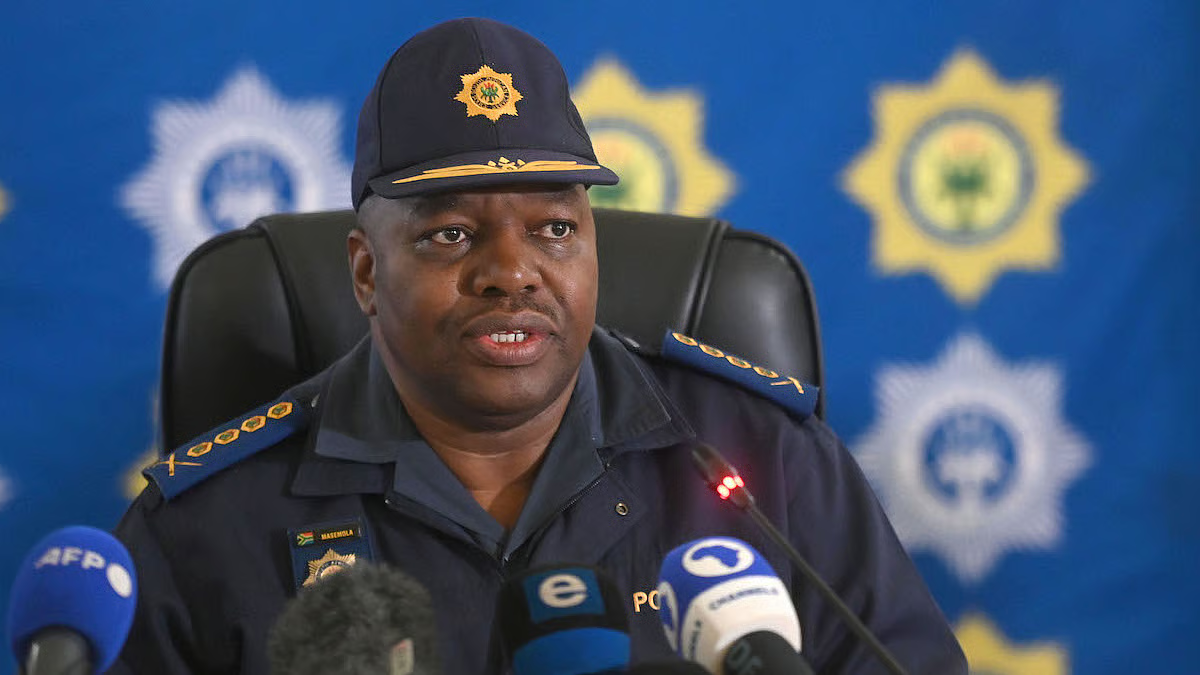
South Africans confront escalating violent crime, rampant corruption allegations, and a police force mired in a struggle for its soul. Lieutenant General Sibiya’s battle is not merely personal, it’s emblematic of the fight to uphold fairness, transparency, and accountability in policing.
As the Gauteng High Court prepares to hear arguments, hope lingers that justice will prevail, safeguarding the integrity of SAPS and reaffirming its mission to serve all South Africans without fear or favour.