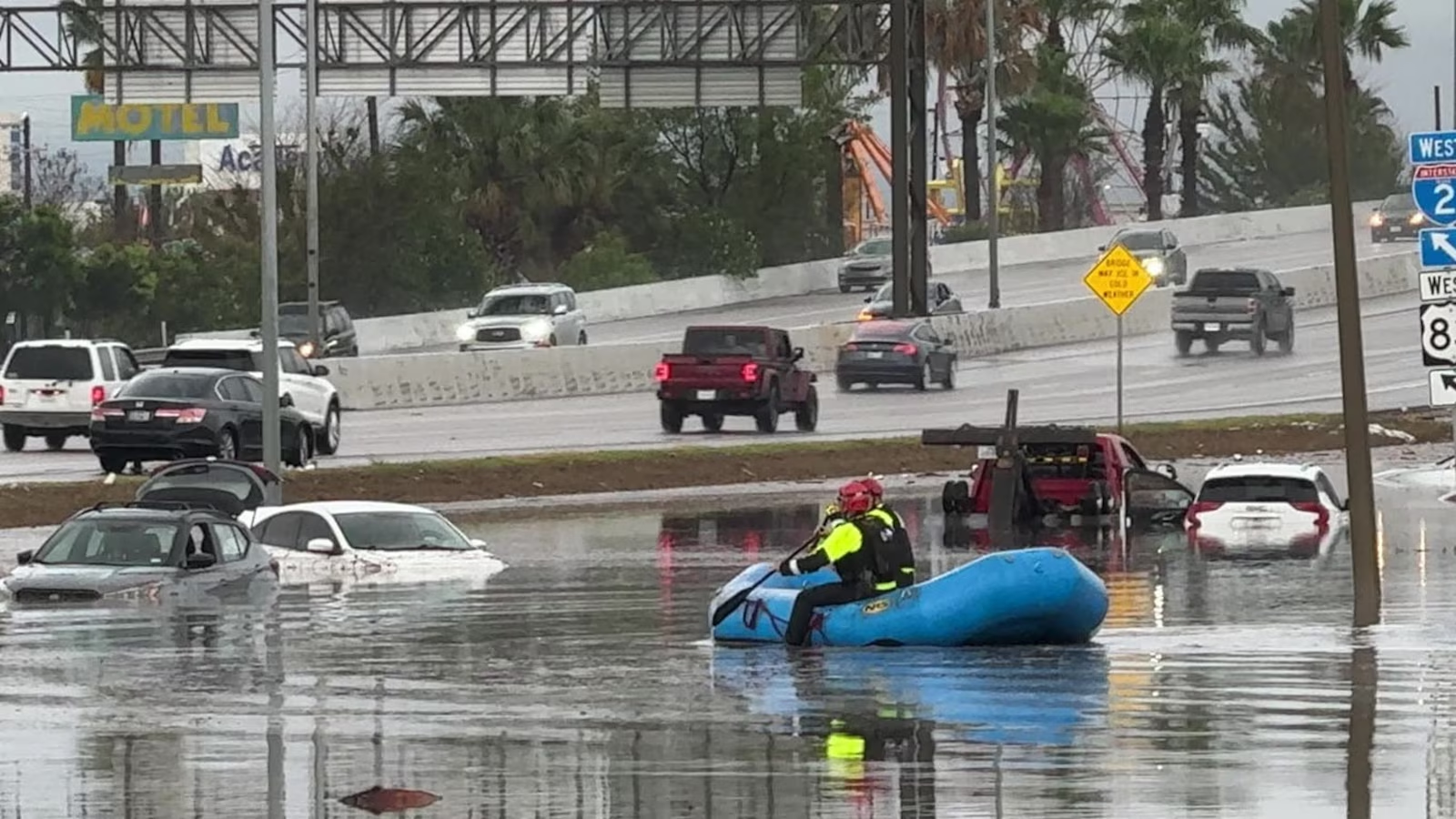
Central Texas is reeling from a catastrophic flash flood event that unfolded over the July 4th holiday weekend, leaving at least 90 people dead, including many children and dozens still missing.
This tragedy, centred around the Guadalupe River basin in Kerr County and surrounding areas, is now the second-deadliest flood disaster in Texas history.
As search and rescue efforts continue amid ongoing heavy rains, the disaster offers sobering insights into the destructive power of extreme weather in a changing climate.
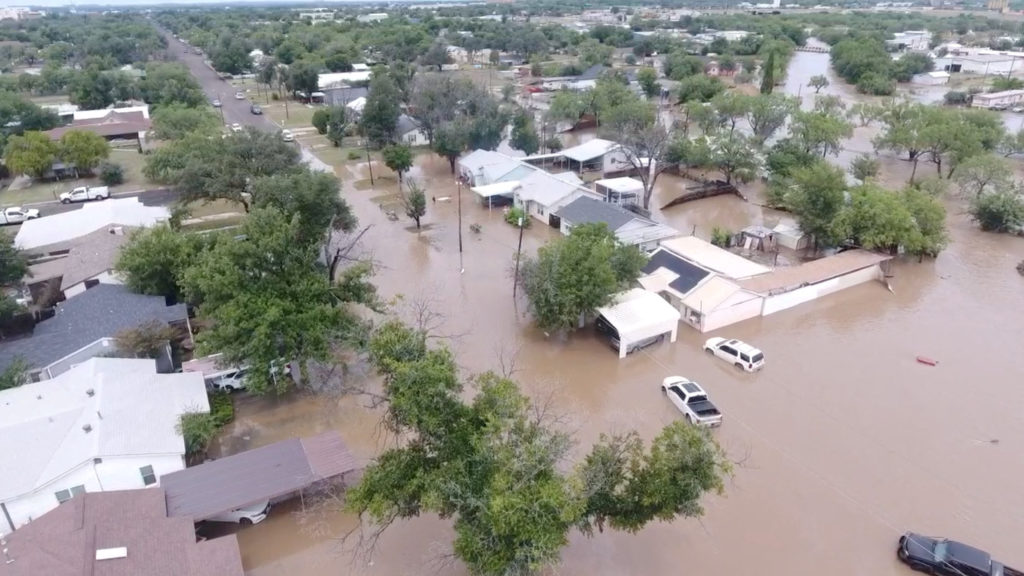
Starting late Thursday, June 29, 2025, and intensifying through early Friday morning, a colossal weather system dumped more than 20 inches (over 500 mm) of rain in less than 72 hours across Central Texas’ Hill Country.
ALSO READ: Winter Storm Wreaks Havoc in South Africa’s Eastern Cape
This region is naturally prone to flash flooding due to its hilly terrain, narrow valleys, and rocky, impermeable soil that causes rapid runoff.
The floodwaters surged with terrifying speed. Near Kerrville, the Guadalupe River rose an astonishing 26 feet in just 45 minutes before daybreak on July 4, sweeping away homes, vehicles, and bridges.
The town of Hunt, upstream, saw similar dramatic rises. The suddenness of the flooding left many residents, including campers at summer camps along the river, little time to react.
Human Tragedy: Lives Lost and Communities Shattered
Kerr County suffered the greatest loss, with 75 confirmed fatalities, including at least 28 children. The tragedy was especially acute at Camp Mystic, a Christian girls’ summer camp near the Guadalupe River, where at least 27 campers and counsellors lost their lives. Other counties affected include Travis (Austin area), Burnet, Williamson, Kendall, and Tom Green.
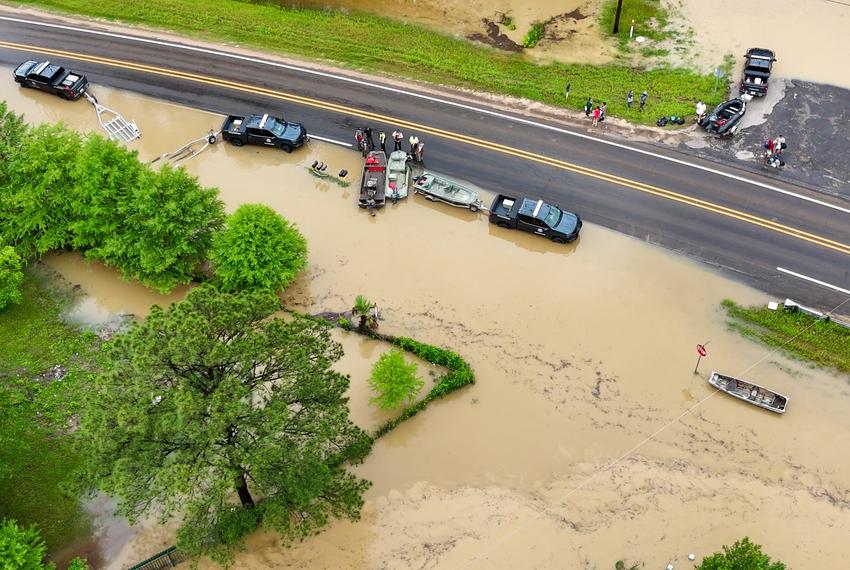
Many victims were caught asleep or unaware as the floodwaters rose rapidly in the early morning hours. Rescue teams have saved over 850 people so far, but more than 40 remain missing. Search efforts involve helicopters, boats, drones, and ground teams navigating hazardous, mud-laden terrain filled with debris and wildlife.
Several factors combined to create this perfect storm of destruction:
- Extreme Rainfall Fueled by Climate Change: The remnants of Tropical Storm Barry, which made landfall in Mexico days earlier, brought enormous moisture into Texas. Climate change has increased the atmosphere’s capacity to hold water, leading to heavier downpours than in past decades.
- Geography and Soil Conditions: The Hill Country’s steep slopes and thin, rocky soil prevent rainwater from soaking in, causing rapid runoff into rivers and streams.
- Timing and Location: The floods struck during a holiday weekend when many people were asleep or camping near rivers, limiting response time.
- Urban Development: Expansion into floodplains and impervious surfaces exacerbates runoff and reduces natural flood buffers.
- Warning and Evacuation Challenges: Despite flash flood watches and warnings issued by the National Weather Service, the speed and scale of flooding overwhelmed local systems and made evacuation difficult.
Emergency Response and Ongoing Challenges
Texas Governor Greg Abbott declared disaster zones and mobilised the National Guard to assist with search, rescue, and recovery. Hundreds of emergency responders and volunteers continue to scour the flood zone, often working in dangerous conditions.
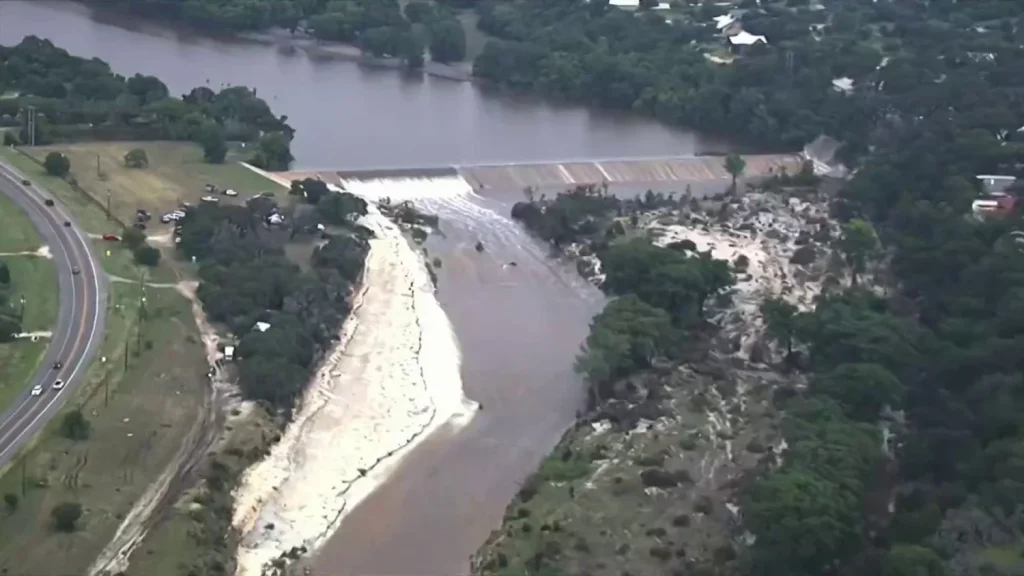
Authorities have warned that additional storms could bring more rain and flooding, urging residents to remain vigilant. Power outages, damaged infrastructure, and inaccessible roads complicate relief efforts.
ALSO READ: The Forgotten Legacy of Great Zimbabwe: Climate-Resilient Water Strategies of the Past
While this disaster unfolded in the United States, its lessons resonate globally, especially in Africa, where flooding increasingly threatens millions. Regions across Africa, from East Africa’s recent devastating floods to West and Central Africa’s recurrent inundations, face similar challenges:
- Increasingly Intense and Unpredictable Rainfall: Climate change drives heavier storms and flash floods worldwide.
- Vulnerable Populations: Informal settlements and rural communities often lack infrastructure and early warning systems.
- Economic and Social Impacts: Floods destroy homes, livelihoods, and critical infrastructure, deepening poverty and food insecurity.
The Texas floods underscore the urgency for improved flood preparedness, resilient infrastructure, and community education—priorities shared by many African nations.
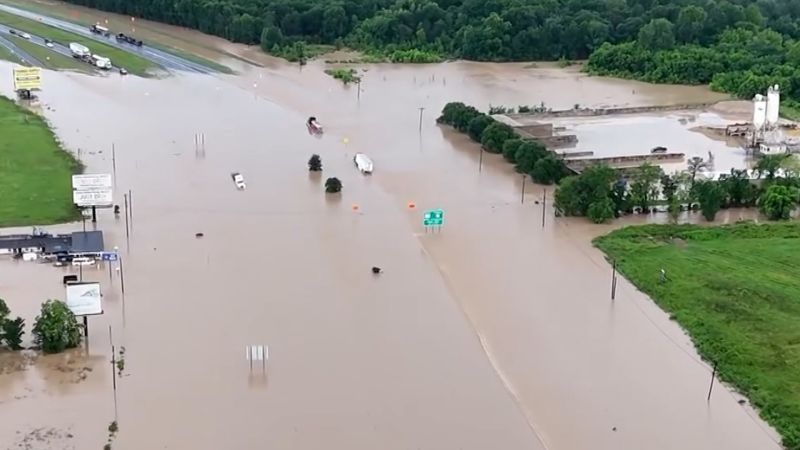
Texas officials have pledged to review the disaster response and improve forecasting and evacuation systems. Similarly, African governments and international partners are investing in climate adaptation measures, including flood early warning systems, sustainable urban planning, and disaster risk reduction.
The July 2025 Texas floods are a tragic reminder of nature’s power and the growing risks posed by climate change. The rapid rise of the Guadalupe River and the devastating human toll highlight the need for vigilance, preparedness, and resilient infrastructure worldwide.