LONDON – Prime Minister Keir Starmer said on Tuesday Britain was prepared to recognise a Palestinian state in September at the United Nations General Assembly in response to growing public anger over the images of starving children in Gaza.
Starmer spoke a day after talks in Scotland with U.S. President Donald Trump, who said he did “not mind” if Britain recognised a Palestinian state, though Washington – Israel’s closest ally – has long declined to do so.
Britain, if it acts, would become the second Western power on the U.N. Security Council to do so after France last week, reflecting Israel’s deepening isolation over its conduct in its war against Hamas in Gaza, where a humanitarian disaster has set in and the Palestinian death toll has risen above 60,000.
Starmer said Britain would make the move unless Israel took substantive steps to allow more aid to enter Gaza, made clear there will be no annexation of the West Bank and committed to a long-term peace process that delivers a “two-state solution” – a Palestinian state co-existing in peace alongside Israel.
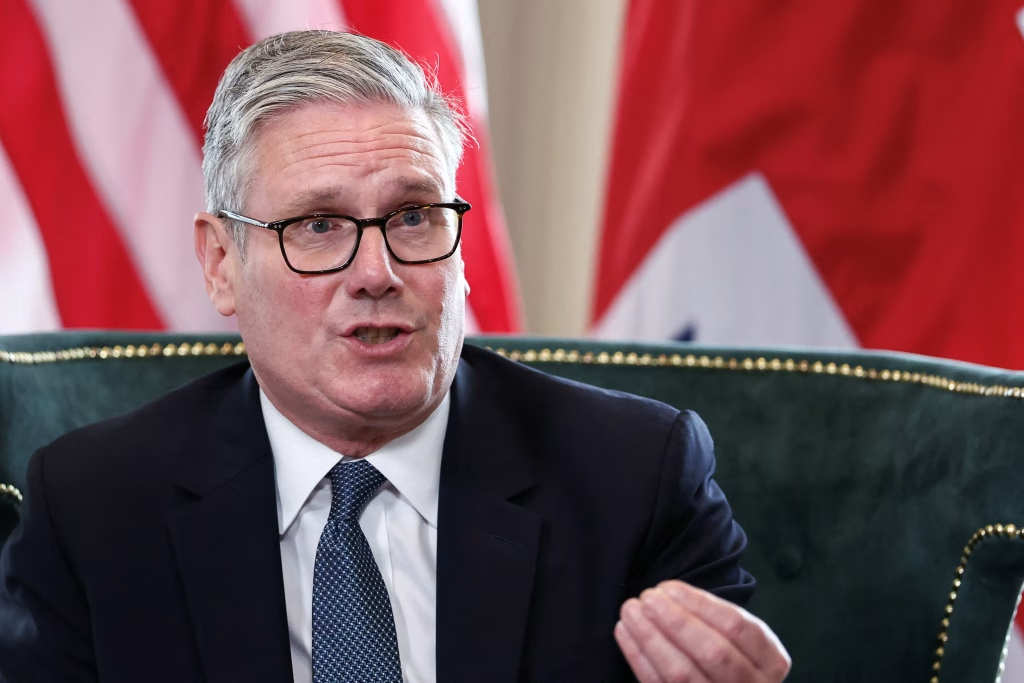
“The Palestinian people have endured terrible suffering,” Starmer told reporters. “Now, in Gaza, because of a catastrophic failure of aid, we see starving babies, children too weak to stand, images that will stay with us for a lifetime. The suffering must end.”
Starmer held a phone call with Israeli Prime Minister Benjamin Netanyahu before making his announcement, said a source, who asked not to be named.
In response, Israel’s foreign ministry said in a post on X that Britain’s move constitutes a “reward for Hamas” and would harm efforts to reach a ceasefire in Gaza.
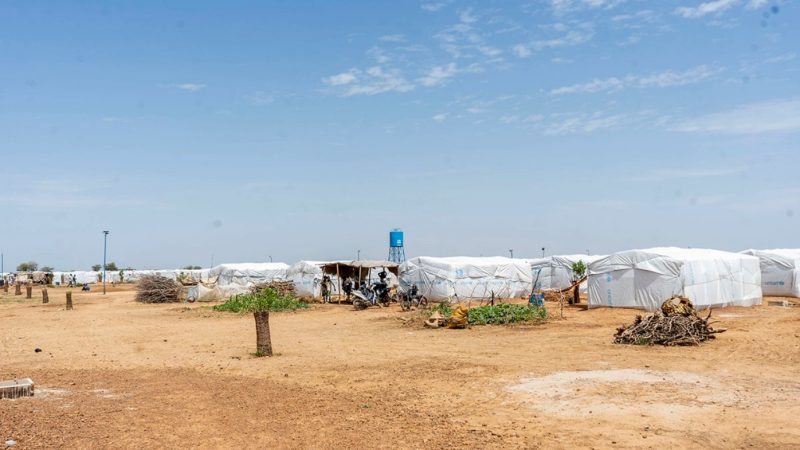
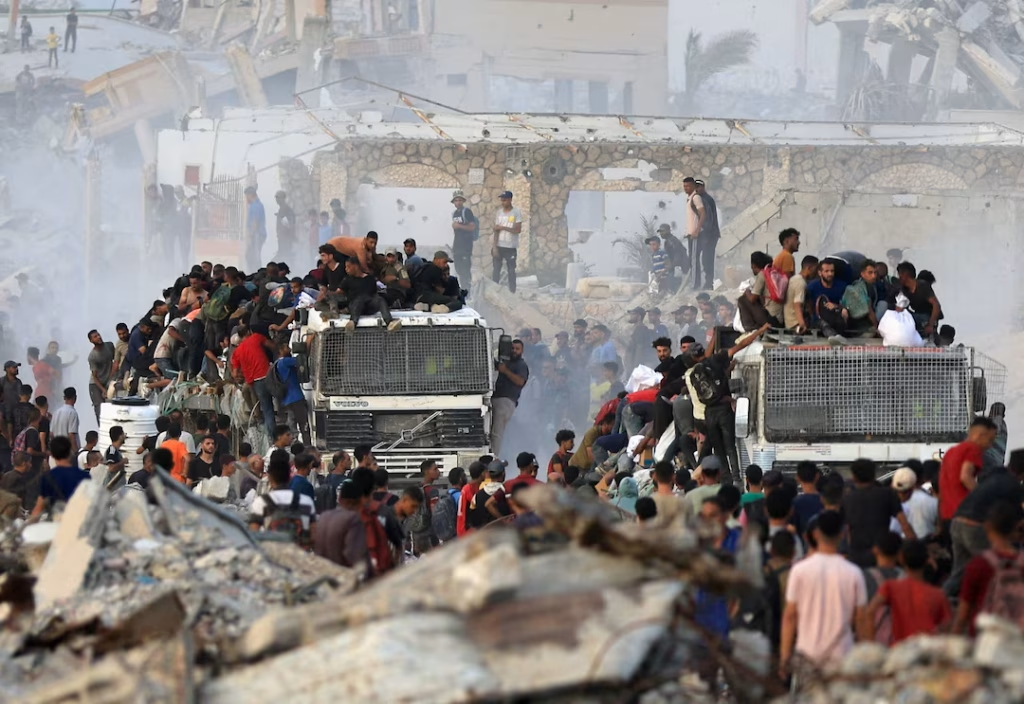
The sight of emaciated Gaza children has shocked the world in recent days. Earlier on Tuesday, a hunger monitor warned that the worst-case scenario of famine was unfolding in Gaza and immediate action was needed to avoid widespread death.
Israel has denied pursuing a policy of starvation. Foreign Minister Gideon Saar said on Tuesday the situation in Gaza was “tough” but there were lies circulating about starvation there.
With international criticism intensifying, Israel announced steps over the weekend to ease aid access. But the U.N. World Food Programme said it was not getting the permissions it needed to deliver enough aid.
PARTY PRESSURE
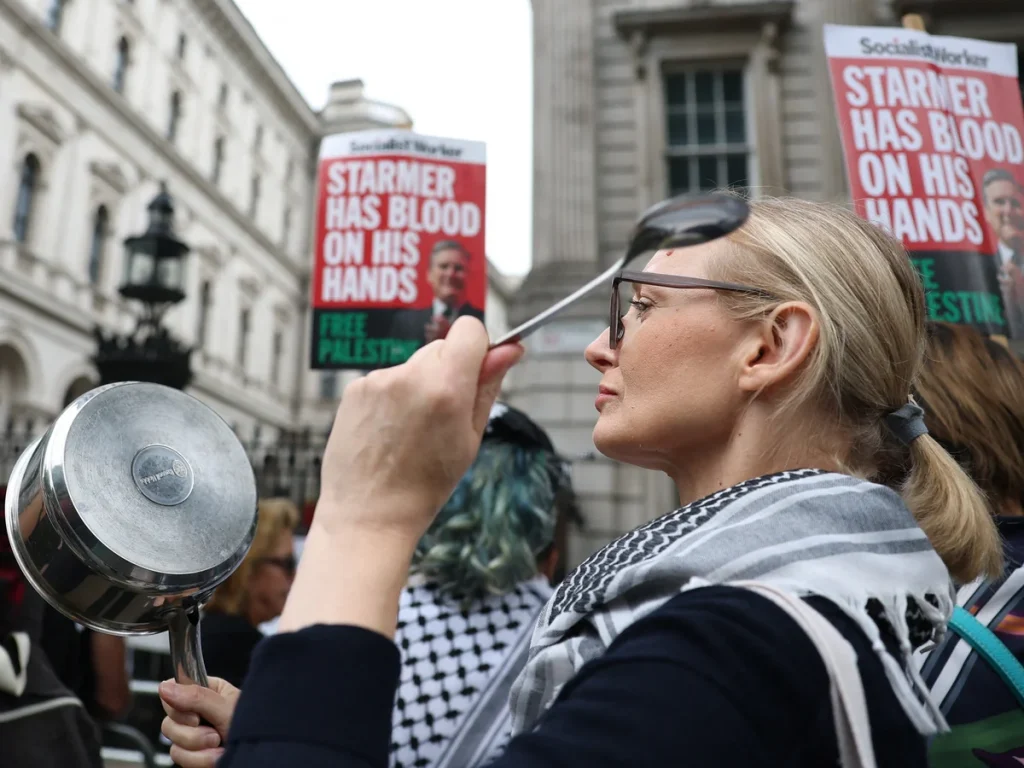
Starmer’s decision marks a striking reversal in policy after he last week disappointed many in his party by rejecting calls to recognise a Palestinian state, saying the timing must be right as part of a wider peace process.
In recent days, Starmer has been increasingly vocal about the crisis in Gaza, saying this week that the people there faced an “absolute catastrophe” and the British public were “revolted” by the scenes of mass hunger and desperation.
Starmer said that before taking a final decision, his government would make an assessment in September on “how far the parties have met these steps”, but that no one would have a veto over the decision.
He spoke after recalling his cabinet during the summer holidays on Tuesday to discuss a new proposed peace plan being worked on with other European leaders and how to deliver more humanitarian aid for Gaza’s 2.2 million people.
ALSO READ: Western Media Speaks Out Against Israel – Albeit Belatedly
Successive British governments have said they will formally recognise a Palestinian state when the time is right, without ever setting a timetable or specifying the necessary conditions.
Some lawmakers in Britain’s governing Labour Party said they thought Starmer had been reluctant to formally recognise a Palestinian state because it would mean distancing itself from the position of its closest ally, the United States.
U.S. Secretary of State Marco Rubio called France’s announcement last week recognising a Palestinian state a “reckless decision”.
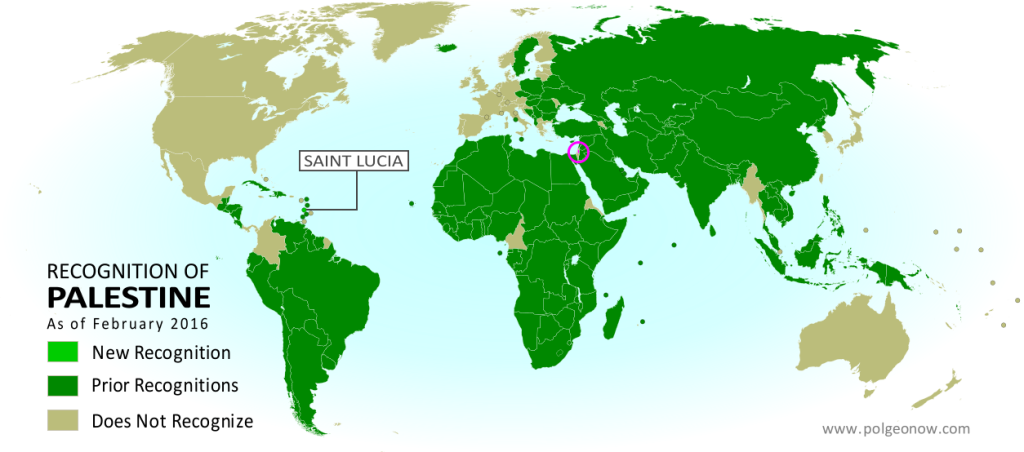
China and Russia are the only other world powers that are permanent members of the U.N. Security Council to recognise a Palestinian state.
SHIFTING POSITIONS
The issue of recognition for a Palestinian state – seen as a powerful diplomatic lever to put pressure on Israel – came to the fore after President Emmanuel Macron said on Thursday France would recognise Palestine as a state in territories Israel captured in the 1967 Middle East war.
Israel and a staunch supporter of the United States, blasted France’s move, branding it a reward for Palestinian Hamas militants who ran Gaza and whose attack on Israel on October 7, 2023, triggered the current war.
At the start of the Gaza war in October 2023, when Starmer was the opposition leader, he fully backed Israel’s right to defend itself. But his stance has shifted over the years to a tougher approach to Israel, especially since his election as prime minister just over a year ago.
His government dropped the previous government’s challenge over arrest warrants issued by the International Criminal Court for Israeli Prime Minister Benjamin Netanyahu, and has suspended some weapon sales to Israel.
Last month, Britain sanctioned two far-right Israeli cabinet ministers, Itamar Ben-Gvir and Bezalel Smotrich, accusing them of repeatedly inciting violence against Palestinians.
Why is Britain recognising a Palestinian state, and which other countries have done the same?
Britain announced on Tuesday it was prepared to recognise a Palestinian state in September unless the Israeli government takes substantive steps to end the “appalling situation” in Gaza and meets other conditions.
Prime Minister Keir Starmer’s decision follows in the footsteps of France, after President Emmanuel Macron confirmed his country’s intention to pursue recognition of a Palestinian state and to encourage other partners to do the same.
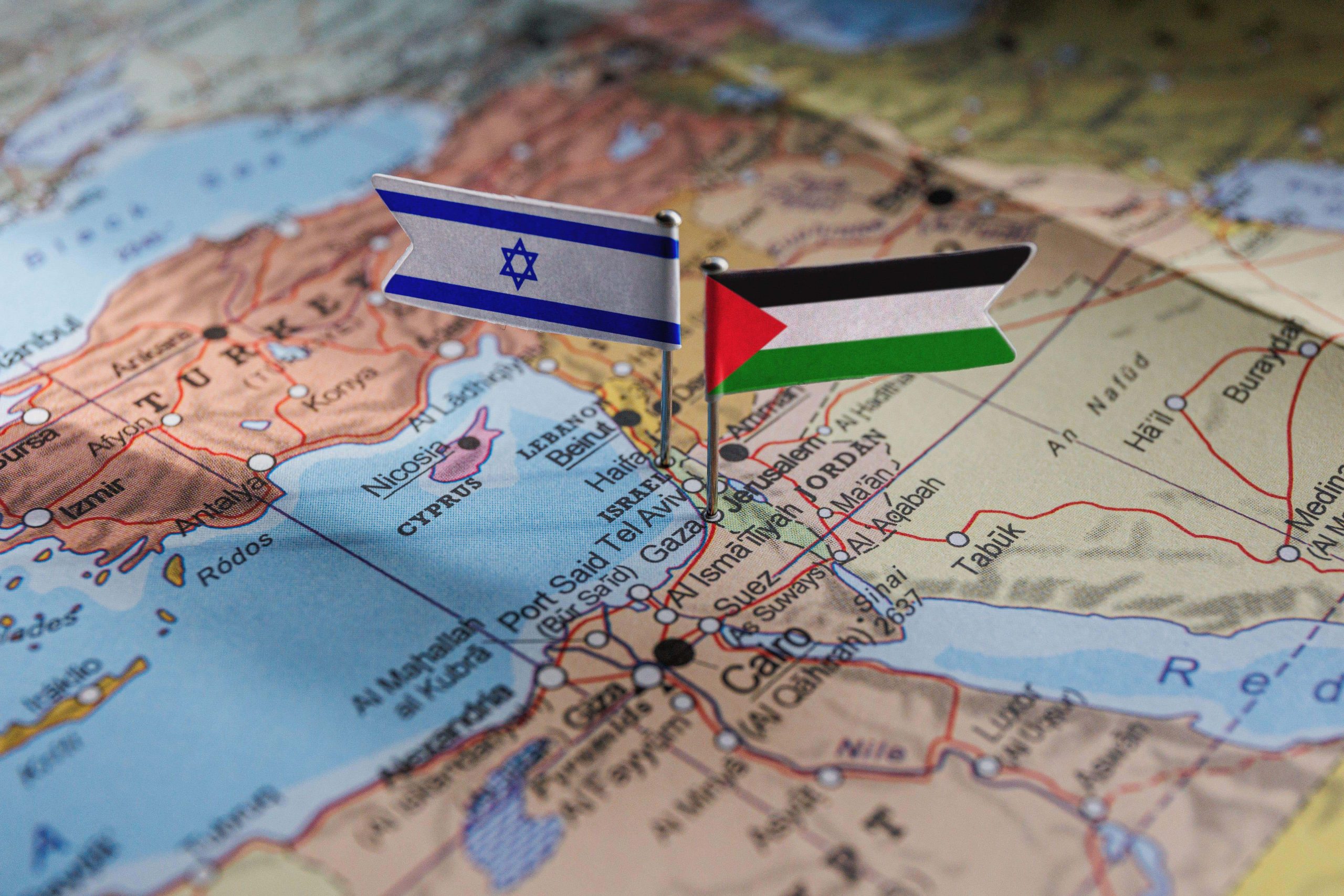
Below are some details about Starmer’s announcement, driven by a rising global outcry over starvation and devastation in Gaza amid Israel’s war against Hamas militants, as well as other nations’ position on having Palestinian statehood recognised.
WHAT DID STARMER SAY?
Starmer said Britain would make the move at the United Nations General Assembly unless Israel took substantive steps to allow more aid to enter Gaza, makes clear there will be no annexation of the West Bank, and commits to a long-term peace process that delivers a “two-state solution” – a Palestinian state co-existing in peace alongside Israel.
He said his government would make an assessment in September on “how far the parties have met these steps”, but that no one would have a veto over the decision.
The prime minister reiterated that there was “no equivalence between Israel and Hamas and that our demands on Hamas remain, that they must release all the hostages, sign up to a ceasefire, accept that they will play no role in the government of Gaza, and disarm”.
WHY DID STARMER DO THIS?
Successive British governments have said they will formally recognise a Palestinian state when the time is right, without ever setting a timetable or specifying the necessary conditions.
Starmer said the move was timed to affect the situation on the ground in Gaza at a moment when the prospect of a two-state solution was under grave threat.
A growing number of lawmakers in Starmer’s Labour Party have been asking him to recognise a Palestinian state to put pressure on Israel.
HOW COULD THIS AFFECT U.S.-UK RELATIONS?
Starmer has been building warm relations with U.S. President Donald Trump, and Britain has rarely strayed from the United States on foreign policy matters.
The two leaders met in Scotland on Monday, but U.S. President Donald Trump said he and Starmer did not discuss Britain’s plan during their meeting.
When asked on Monday whether he agreed with Starmer’s earlier position on Palestinian statehood being a concrete step towards a lasting peace, Trump said: “I don’t mind him taking a position. I’m looking for getting people fed right now – that’s the number one position. You have a lot of starving people.”
Following France’s announcement last week, Trump’s Secretary of State Marco Rubio outright rejected the plan, calling it a “reckless decision that only serves Hamas”.
HOW DID FRANCE REACT TO BRITAIN’S DECISION?
French Foreign Minister Jean-Noel Barrot wrote on X that Britain was “joining the momentum initiated by France for the recognition of the state of Palestine”.
ALSO READ: Thailand and Cambodia to hold talks on deadly border conflict in Malaysia
“Together, through this pivotal decision and our combined efforts, we are putting an end to the endless cycle of violence and reopening the prospect of peace in the region,” Barrot said. “Nothing can stand in the way of a just and clear idea.”
WHAT HAS BEEN BRITAIN’S POSITION ON ISRAEL SINCE OCTOBER 7?
At the start of the Gaza war in October 2023, when Starmer was the opposition leader, he fully backed Israel’s right to defend itself. But his stance has shifted over the years to a tougher approach to Israel, especially since his election as prime minister just over a year ago.
His government dropped the previous administration’s challenge over arrest warrants issued by the International Criminal Court for Israeli Prime Minister Benjamin Netanyahu, and has suspended some weapon sales to Israel.
Last month, Britain sanctioned two far-right Israeli cabinet ministers, Itamar Ben-Gvir and Bezalel Smotrich, accusing them of repeatedly inciting violence against Palestinians.
WHO ELSE HAS RECOGNISED PALESTINIAN STATEHOOD?
Last year, Ireland, Norway and Spain recognised a Palestinian state with its borders to be demarcated as they were prior tothe 1967 Middle East war, when Israel captured the West Bank, Gaza and East Jerusalem.
However, they also recognised that those borders may change in any eventual talks to reach a final settlement, and that their decisions did not diminish their belief in Israel’s fundamental right to exist in peace and security.
About 144 of the 193 member states of the United Nations recognise Palestine as a state, including most of the global south as well as Russia, China and India. But only a handful of the 27 European Union members do so, mostly former Communist countries as well as Sweden and Cyprus.
The U.N. General Assembly approved the de facto recognition of the sovereign state of Palestine in November 2012 by upgrading its observer status at the world body to “non-member state” from “entity”.
WHO COULD BE NEXT?
Starmer’s decision may put pressure on other major countries like Germany, Australia, Canada and Japan to take the same path.
Germany said on Friday it was not planning to recognise Palestinian statehood in the short term, with its priority to make “long-overdue progress” towards a two-state solution – Israel and a Palestinian state co-existing in peace.
Italy’s foreign minister said recognition must occur simultaneously with the recognition of Israel by a new Palestinian state. “A Palestinian state that does not recognise Israel means that the problem will not be resolved,” Antonio Tajani told a gathering in Rome. (Reuters)