JUBA, South Sudan — As heavy rains sweep across South Sudan, the country’s ongoing battle with one of its deadliest cholera outbreaks is entering a precarious phase. Seasonal flooding across multiple states is not only displacing thousands but is also threatening to reverse crucial gains made in containing the epidemic.
Since the cholera outbreak was declared in October 2024, South Sudan has grappled with this prolonged crisis, the longest since its independence in 2011, with a staggering 77,555 suspected cases and over 1,400 deaths reported as of June 30, 2025.
The outbreak has impacted 55 counties across 9 states and 3 administrative areas, demonstrating both its vast reach and the complex challenges faced in delivering healthcare amid humanitarian and environmental turmoil.
South Sudan’s rainy season, stretching from mid-July to October, traditionally brings both life-giving waters and infrastructural havoc. States including Jonglei, Unity, Upper Nile, Northern Bhar el Ghazal, Warrap, and parts of Central Equatoria, endure seasonal flooding that disrupts access to safe water, sanitation services, and critical health facilities.
Dr. Humphrey Karamagi, World Health Organization (WHO) Representative in South Sudan, described this as a “significant additional challenge” compounding the country’s prevailing humanitarian crises.
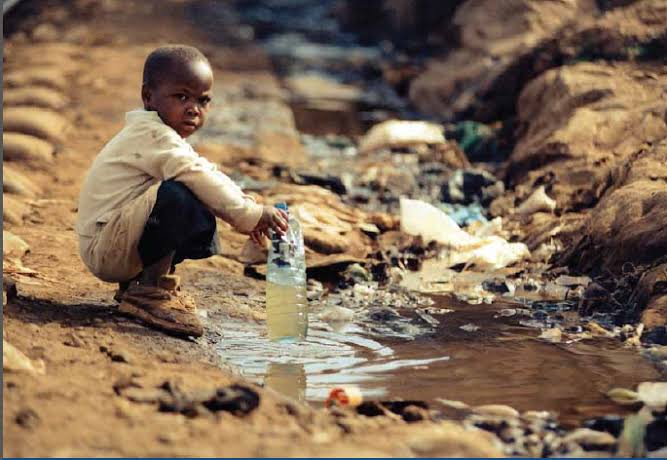
“The rainy season slows down the cholera response, undermining access and vaccination mobility,” Karamagi explained. “Floodwaters increase the risk of transmission by contaminating water sources. The need for urgent interventions is paramount.”
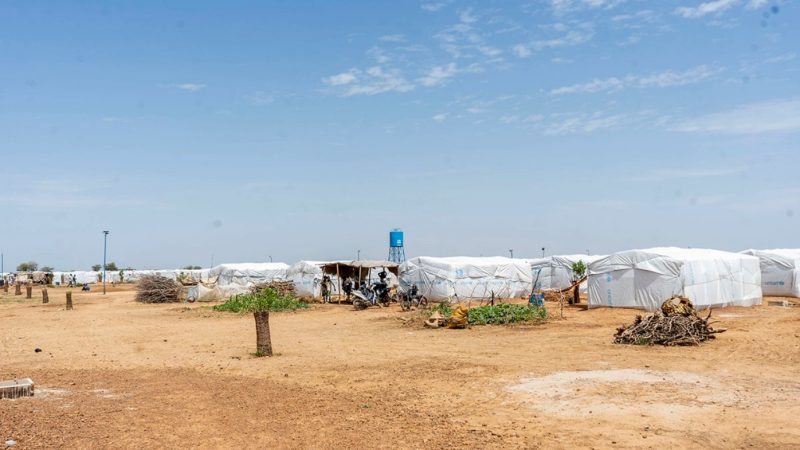
In flood-affected regions, roads become impassable, making it difficult to distribute medical supplies or deploy rapid response teams. Sanitation worsens as latrines overflow and people are forced into cramped temporary shelters with poor hygiene. This breeds fertile conditions for cholera’s spread, a lethal bacterial infection that thrives in contaminated water.
Vaccination Efforts: Progress Amidst Adversity
Despite these obstacles, South Sudan has made remarkable strides in vaccination.
Thanks to decisive action led by the Ministry of Health and partners, including WHO, over 6.9 million people in 40 countries have been vaccinated with oral cholera vaccines (OCV). This monumental campaign has slowed the outbreak’s spread and is estimated to have averted nearly 20,000 deaths.
ALSO READ: Eswatini: How cash and voucher assistance is empowering women to rebuild after calamity
The government secured more than 8.7 million doses through the International Coordination Group (ICG) and has applied for additional supplies to sustain the immunisation drive. Vaccination efforts are buoyed by over 2,000 trained health workers and community volunteers focusing not only on inoculation but also on case management, hygiene promotion, and surveillance.
Dr. Karamagi commended these efforts: “Under the leadership of the Ministry of Health, we have protected communities by vaccinating millions. Now, we must enhance case management, surveillance, and coordination to save lives as the rains complicate the situation.”
Healthcare Infrastructure on the Frontlines
To combat cholera’s often rapid lethality, South Sudan has established an extensive network of treatment centres. Through implementing partners, WHO helped set up 102 oral rehydration points (ORPs), 88 cholera treatment units (CTUs), and 19 cholera treatment centres (CTCs).
These facilities provide lifesaving treatment with oral rehydration therapy and intravenous fluids, drastically reducing fatalities from severe dehydration.
Over 175 metric tons of medical supplies, from antibiotics to rehydration salts, have been distributed, alongside regular water quality testing and treatment interventions. Yet, as floodwaters rise, the risk to makeshift sanitation and clean water supply infrastructure intensifies.
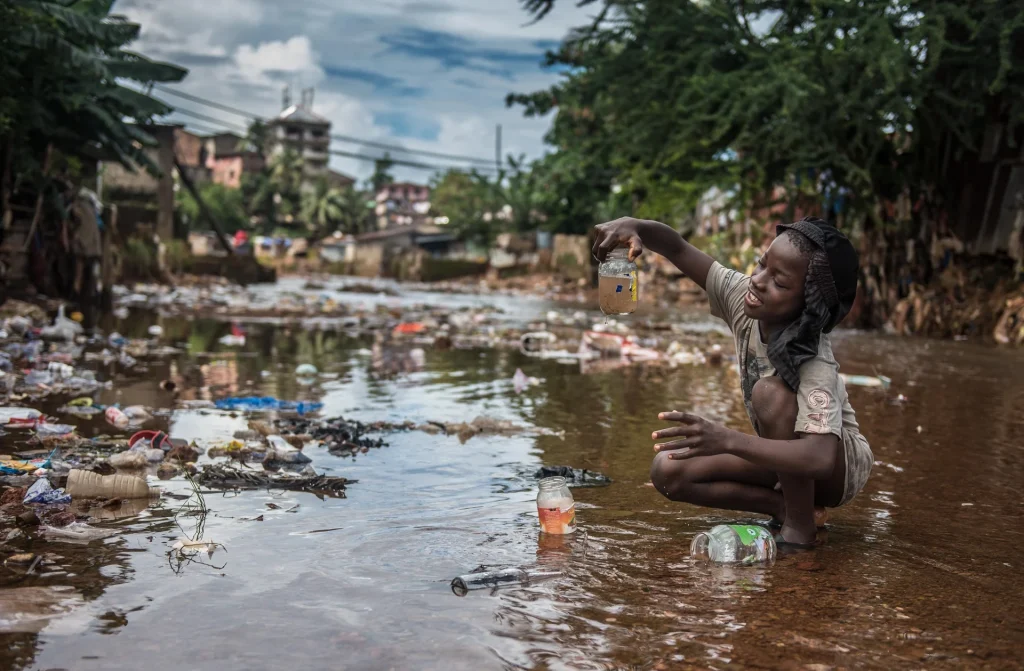
Unity State has emerged as the outbreak’s epicentre. Speaking from Bentiu, Mr. Kereni Gong, Acting Director General of the Unity State Ministry of Health, sounded an urgent alarm about the deteriorating conditions.
“With support from WHO and partners, we managed to reduce cases earlier in the year,” he explained. “But the rainy season is here, and cases are rising again. Floodwaters from southern Unity are coming; this will worsen the situation unless we receive immediate and increased support.”
ALSO READ: SADC Ministers Confront Regional Food Security Crisis
His plea underscores the fragility of gains made so far and the imminent risk posed by natural disasters exacerbating public health emergencies.
Why Cholera Continues to Threaten South Sudan
Several interlinked factors have contributed to the outbreak’s persistence:
- High population density and rapid displacement: Conflict and flooding have forced mass movements, crowding people into unsanitary shelters.
- Poor access to clean water and sanitation: Many communities rely on unsafe water sources and practice open defecation.
- Limited hygiene practices: Lack of public health education and infrastructure make prevention difficult.
- Weak health system capacity: Under-resourced facilities and personnel face challenges in surveillance, case management, and rapid outbreak response.
In many ways, cholera’s persistence reflects South Sudan’s broader struggles: ongoing conflict, climate vulnerabilities, and fragile institutions.
Experts agree that without additional funding and swift action, the outbreak risks escalating further with the rains.
WHO has called for urgent resources to:
- Deploy rapid response teams to emergent hotspots.
- Maintain essential health and vaccination services.
- Procure, transport, and distribute critical supplies to hard-to-reach areas.
International partners continue to coordinate with the Ministry of Health to scale up interventions. But with seasonal floods in full swing and humanitarian needs growing, the window to contain this outbreak is narrowing.
In villages along the Nile tributaries, families like the Dut family cling to hope. Mary Dut, a mother of five from Jonglei, shared her fears: “When the rains came, our well flooded, and many fell sick. The clinic is far and the roads are cut off.The vaccine teams visited last month, which helped so much. We pray it will not get worse.”
Stories like Mary’s remind us of the urgent human imperative behind statistics and interventions, the fight to save lives and protect communities in one of the world’s most challenging public health environments.