DAR ES SALAAM — Tanzania is poised to finalise a landmark agreement for a $42 billion liquefied natural gas (LNG) mega-project before June 2026, a senior government minister said this week, positioning the East African nation at the forefront of a regional energy transformation that could reshape both domestic development and global gas markets.
The long-anticipated deal, one of the largest investment projects in Tanzania’s history, will unlock vast natural gas reserves and mark a pivotal moment in the country’s longstanding efforts to monetise its offshore and onshore gas resources. Production under the project is expected to begin around 2034, with a focus on exporting LNG to high-demand markets, particularly in Asia.
Tanzania’s vision for the mega LNG plant has been years in the making, backed by a consortium of major energy players including Equinor and Shell as joint operators, alongside partners such as Exxon Mobil, Pavilion Energy, Medco Energi and the Tanzania Petroleum Development Corporation (TPDC).
The project, which aims to process and export natural gas from fields along the country’s Indian Ocean coast, particularly in the Lindi and Mtwara regions, would tap into an estimated 47.13 trillion cubic feet of recoverable gas, according to government figures.
ALSO READ: Tanzania Tightens Grip Ahead of Independence Day Protests
“We have basically concluded the commercial discussions,” said Kitila Mkumbo, Tanzania’s minister of state in the president’s office for planning and investment, speaking during a briefing in London. “We are now only discussing the legal framework of this agreement.”
Given the scale of the investment, the largest ever in the country, a bespoke legal and fiscal framework is being finalised to provide certainty for investors and protect Tanzania’s long-term interests.
A new era for Tanzania
Once in place, the LNG project is expected to bring substantial economic and employment benefits, with officials estimating more than 100,000 jobs could be created during construction and operational phases.
For Tanzania, which has sought to diversify its economy and reduce reliance on traditional sectors like agriculture, the LNG plant represents a strategic pivot toward capital-intensive energy exports that could finance infrastructure and social investment.
The government has even taken steps to bolster funding for public projects, with President Samia Suluhu Hassan instructing the central bank to sell part of its gold reserves to free up additional finance for ongoing infrastructure work.
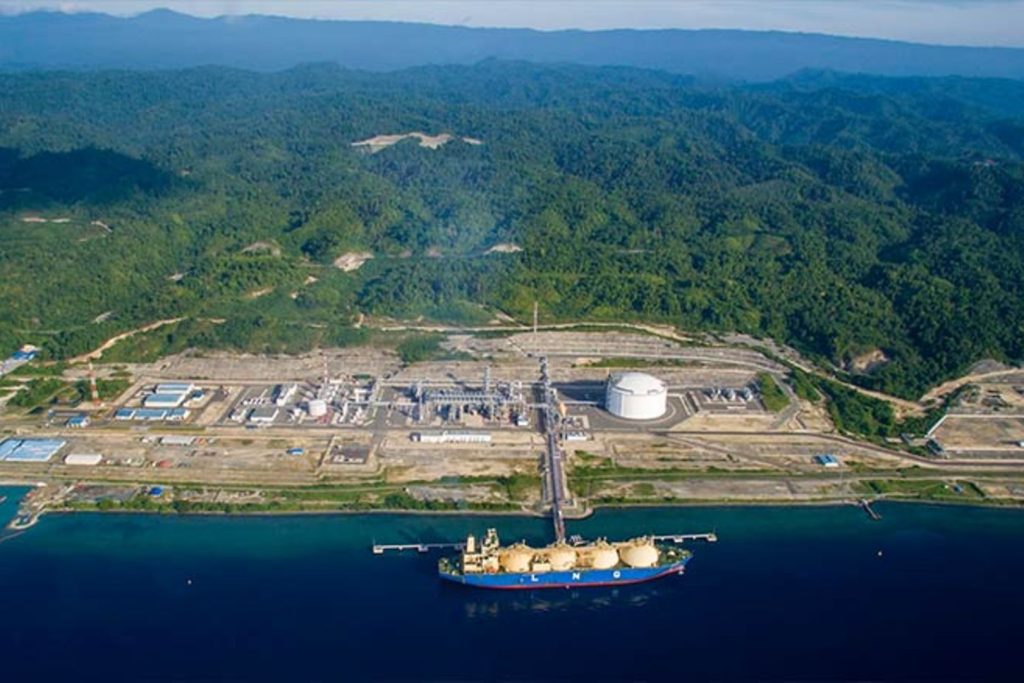
Tanzania’s LNG ambition comes alongside similar developments in neighbouring Mozambique, where massive LNG facilities are already under construction and position East Africa as an emerging hub for liquefied gas exports. Industry analysts say the combined Gulf-of-Mozambique and Tanzania corridors could make the region a major supplier to Asia’s energy markets over the next decade.
ALSO READ: Gazprom Neft Executive Joins African Energy Chamber Board
The success of the deal, however, hinges on resolving complex negotiations that have delayed the project in recent years. Disagreements over fiscal terms, local content provisions, tax incentives and legal protections have been at the centre of protracted talks.
Despite these hurdles, energy officials, including Deputy Prime Minister and Energy Minister Dr Doto Biteko, have consistently expressed confidence that negotiations are nearing completion, with institutional reviews and fine-tuning of the host government agreement underway.
Development and sustainability
While the economic upside of the LNG plant is significant, the project also raises questions about environmental and long-term development strategies. As with other fossil-fuel-led expansions globally, there is an ongoing debate about how to ensure that such mega-projects align with climate goals and local sustainability, particularly in a world increasingly pivoting toward renewable energy sources.
Yet for Tanzania, which still faces energy access constraints domestically, the LNG project could both supply local industries and generate export revenues, a dual role that governments across Africa have sought to balance.
Officials say the immediate priority is finalising the legal framework and host government agreement (HGA) so that the project can move to a Final Investment Decision (FID) and transition into full development. If signed by June, construction could proceed later in 2026, with first LNG cargoes expected by the early 2030s.