By Bheki Dlamini
JOHANNESBURG — Tanzania heads into Independence Day under a cloud of anxiety, as police intensify a nationwide crackdown on activists and opposition supporters ahead of planned protests set for Monday. Human Rights Watch (HRW) says the latest wave of arrests is part of a broader pattern of intimidation that has taken root since the October 29 elections, a period marked by allegations of excessive force, abductions and growing digital surveillance.
For many in Tanzania, December 9, known as D9, is usually a celebratory moment. This year, it is a day people are being warned against even discussing online.
At least 10 activists and opposition supporters have been arrested since mid-November, most linked to WhatsApp messages, Facebook posts or Instagram updates encouraging peaceful demonstrations. Opposition members say the actual number is higher, with several supporters allegedly abducted in the days leading up to the protests.
ALSO READ: Tanzania police order curfew in main city after election marred by violence
HRW’s senior Africa researcher, Oryem Nyeko, said the events unfolding this week point to a government unwilling to tolerate dissent.
“The authorities should end their crackdown and respect the right of Tanzanians to peacefully express their views,” Nyeko said. “The government is building on the alarming climate of fear that prevailed prior to the elections.”
Disappearances, dawn arrests and digital surveillance
The arrests span multiple regions and carry a similar pattern: late-night knockdowns, men in civilian clothing, and delayed police confirmation.
- On November 13, police said they arrested Ambrose Leonce Dede in Ikungi district, accusing him of “organizing and promoting crime” via a WhatsApp group linked to the protests.
- In Geita, hospital worker Kibaba Furaha Michael was reported missing for two days before police confirmed he was being held over WhatsApp posts urging people to join the demonstrations.
- On November 21, authorities in Mbeya detained Clemence Mwandambo, a teacher known for government criticism, accusing him of sharing “provocative” content.
- By November 28, they had also confirmed the arrest of Winfrida Charles Malembeka for allegedly posting “inflammatory information” online.
Chadema, the main opposition party, says its supporters are being singled out. District chairperson Victoria Swebe disappeared for three days before police announced they were holding her on suspicion of “incitement.” Another supporter, Lucy Shayo, was detained in Tanga without charge. In Mbeya, party member Shabani Mabala was reportedly taken by men identifying themselves as police officers.
Rise in digital intimidation
Civil society organisations say the digital space has become a new frontier of policing.
On November 12, officers raided a hotel in Dar es Salaam and seized laptops, phones and ID cards belonging to staff of the Legal and Human Rights Centre. They were questioned the next day about “research on election violence.”
At the same time, Meta confirmed it removed content after a request from the Tanzanian Communication Regulatory Authority, including posts calling for peaceful protest.
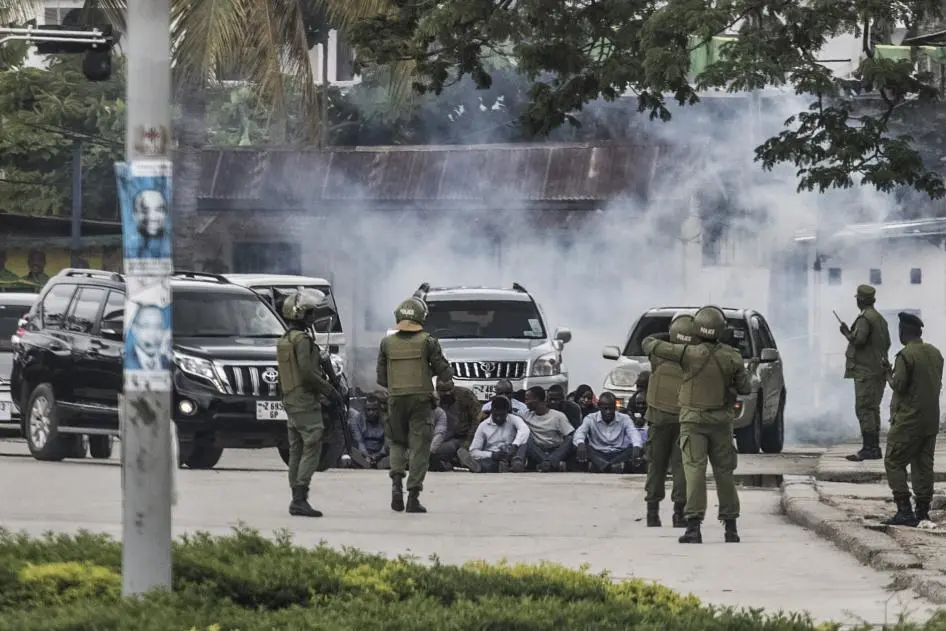
Even foreign governments have taken note. In a public alert, the US Embassy warned its citizens that “security forces have searched electronics for evidence of politically sensitive content.”
ALSO READ: Hassan expected to retain Tanzania’s presidency as key opponents barred
President Samia Suluhu Hassan cancelled official Independence Day celebrations, directing that funds be diverted to repairing infrastructure damaged during post-election unrest. But critics say the cancellation is being used as a pretext for a wider clampdown on dissent.
On November 18, the Presidency announced an investigative commission to look into the “breach of peace” around the elections. The nine-member panel is made up of former state officials, but includes no civil society representatives or opposition voices.
Eleven days later, President Hassan instructed the commission to probe who allegedly “paid young people to take to the streets.”
HRW says the commission’s mandate raises concerns about impartiality.
“It’s vitally important at this critical time for the Tanzanian authorities to focus on ensuring justice and accountability for the many serious rights violations following the elections,” Nyeko said. “Anything short of this will be a disservice to the many victims.”
Rights groups call for urgent intervention
At the heart of the demonstrations planned for Monday is anger over the police use of lethal force on October 29, including reports of extrajudicial killings and the disappearance of several protesters. Rights groups fear the current arrests are meant to silence people before they can confront the state publicly.
African regional bodies, including the African Union Peace and Security Council, are being urged to push Tanzania to uphold basic freedoms of expression and assembly guaranteed under both national and international law.