By Bheki Dlamini
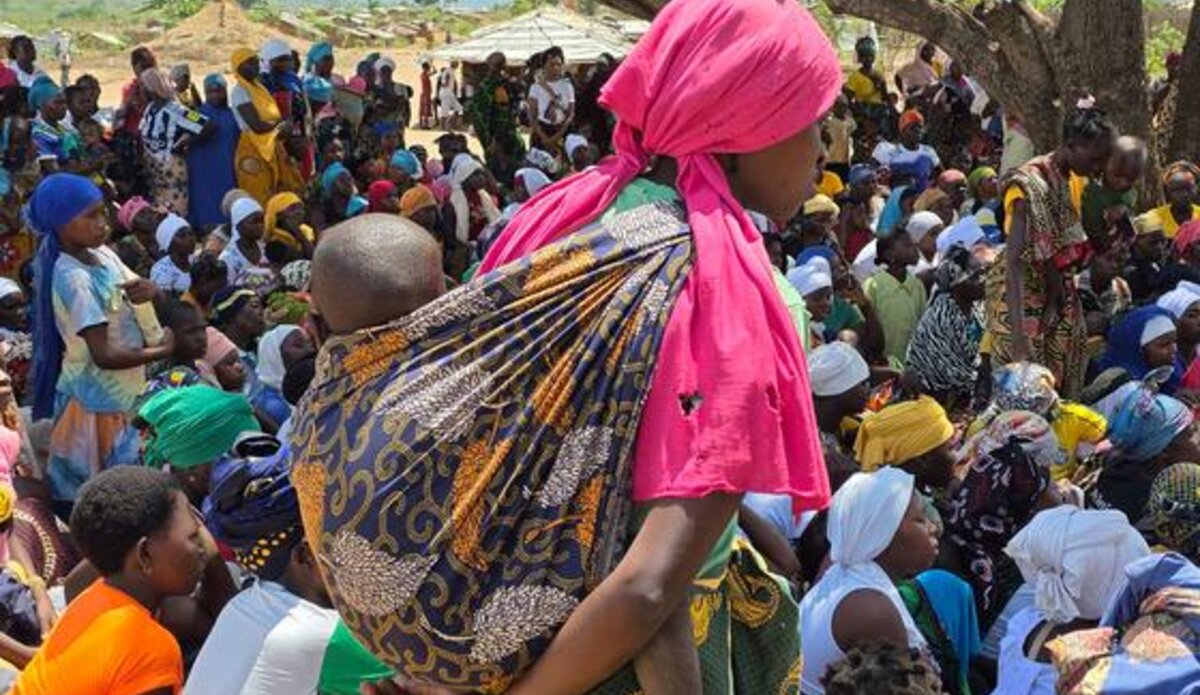
Families in northern Mozambique are once again on the move, fleeing with little more than the clothes on their backs as violence intensifies across Cabo Delgado. What began as a simmering conflict eight years ago has spiralled into one of Southern Africa’s most urgent humanitarian crises and the latest wave of attacks is leaving communities with nowhere left to run.
According to the UN’s humanitarian coordination office, OCHA, more than 107,000 people have fled their homes in recent weeks, pushing total displacement in the last four months to 330,000. Many of them had only just begun piecing their lives back together when the violence returned.
“They barely had time to recover when they again had to leave, due to attacks or fear of attacks,” said Paola Emerson, OCHA’s Head of Office in Mozambique. Her words capture the exhaustion of families who have spent years bouncing between temporary shelters, host communities and the ruins of their former homes.
A Cruel Cycle of Flight
Displacement is not new to Cabo Delgado, but humanitarian workers say this latest phase is different. Attacks are lasting longer, moving across districts and driving people out in repeated waves. Emerson said the pattern is “unusual compared to previous hit-and-run tactics” that defined the early years of the insurgency.
This time, entire communities have been uprooted multiple times within the same year. UN data shows that nearly nine in ten people fleeing violence have already fled at least once since January. And with each move, the risks and the trauma grow deeper.
Children are bearing the brunt. Sixty-seven percent of the newly displaced are under 18. Many have been separated from their parents during chaotic escapes, while others carry memories of seeing their homes torched or neighbours brutally attacked.
ALSO READ: Three Drown In Eswatini As Police Warn of Deadly Holiday Water Risks
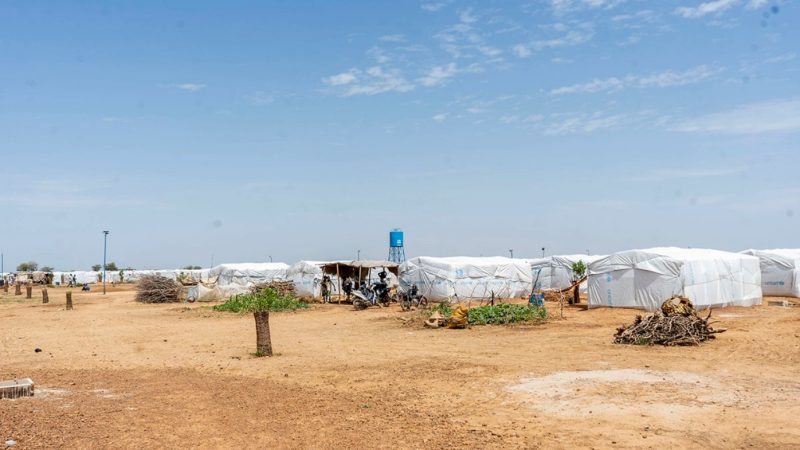
The conflict has collided with climate pressure, worsening an already fragile environment. Mozambique was struck by three cyclones in 2025 alone. Families still rebuilding their homes from wind and flood damage now find themselves sheltering in crowded schools, under trees, or in makeshift settlements where clean water and food are scarce.
“We are extremely worried,” Emerson said. “There are huge concerns about protection, with reports of gender-based violence and children who are separated or unaccompanied.”
Several districts have suspended school exams because classrooms are filled with displaced families instead of students. Even the most basic services are buckling.
Food Aid Running Out
Humanitarian workers warn that assistance is dangerously thin. Only 40 percent of displaced people are receiving food aid and even that support is inconsistent due to what agencies describe as “major stockouts.” Health services, water systems and child-protection networks are strained to their limits.
The shortages are driving a heartbreaking trend: families returning to unsafe villages simply because they have nothing left where they are.
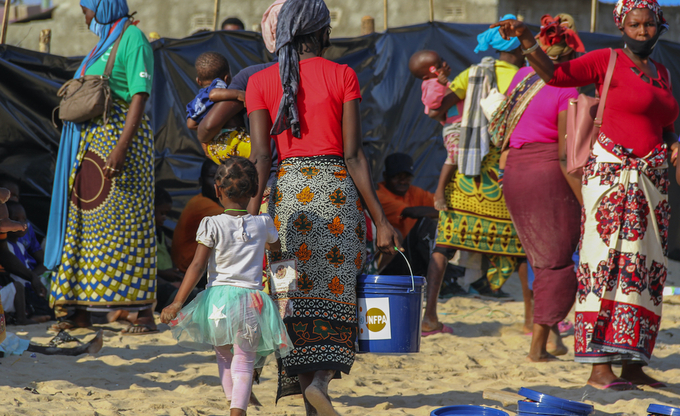
Emerson warned that “gaps in aid are already forcing some families to return to unsafe areas with very little information about whether the situation has stabilised.”
UN agencies have issued back-to-back alerts about rising levels of violence. The UN refugee agency reported nighttime attacks, homes set ablaze and summary executions by beheading as armed groups push into districts previously considered safe.
ALSO READ: South Africa Tightens Border Security as Festive Season Travel Surge Looms
The UN Children’s Fund, UNICEF, said children are being “pushed to breaking point,” with reports of abductions and forced recruitment. It warned that essential services are “straining under the weight of need”, just as the cyclone season is expected to intensify in the coming weeks.
The message from the ground is clear: without rapid funding, the humanitarian response will collapse. Families already living on the edge could face renewed displacement within weeks, and the prospect of returning home grows more distant with each passing day.
Humanitarian organisations are calling for immediate financial injections to scale up food deliveries, restore health services, rebuild shelters and reunify separated children with their families.
This crisis, a convergence of violence, climate shocks and chronic underfunding, is stretching Mozambique’s resilience to breaking point. As one aid worker put it: “People are running out of places to go. They need safety, they need support, and they need the world to pay attention.”
Yet despite the grim reality, families continue to hold onto hope. For many, the dream is simple: a stable home, a safe night’s sleep, and a future where their children can grow without fear.