KAMPALA, Uganda — For millions of Ugandans, detecting cancer early remains a matter of geography and access. Parliament was confronted with that reality on Thursday as legislators demanded answers over the country’s limited screening capacity, shortage of ambulances and the slow rollout of cancer services beyond Kampala.
Uganda loses close to 18,000 people to cancer every year, making the disease one of the country’s most pressing public health challenges.
The debate followed a communication from Speaker Jacob Marksons Oboth on Parliament’s role in the fight against cancer, delivered ahead of the upcoming Rotary Cancer Run, an annual fundraising event that has become one of Uganda’s most prominent cancer awareness initiatives.
Oboth also announced that Parliament had deposited Shs3 billion towards the construction and equipping of a new Cancer Centre at Nsambya Hospital. The facility is expected to strengthen cancer treatment capacity outside Uganda’s overstretched public referral system.
One screening van for a country of 45 million
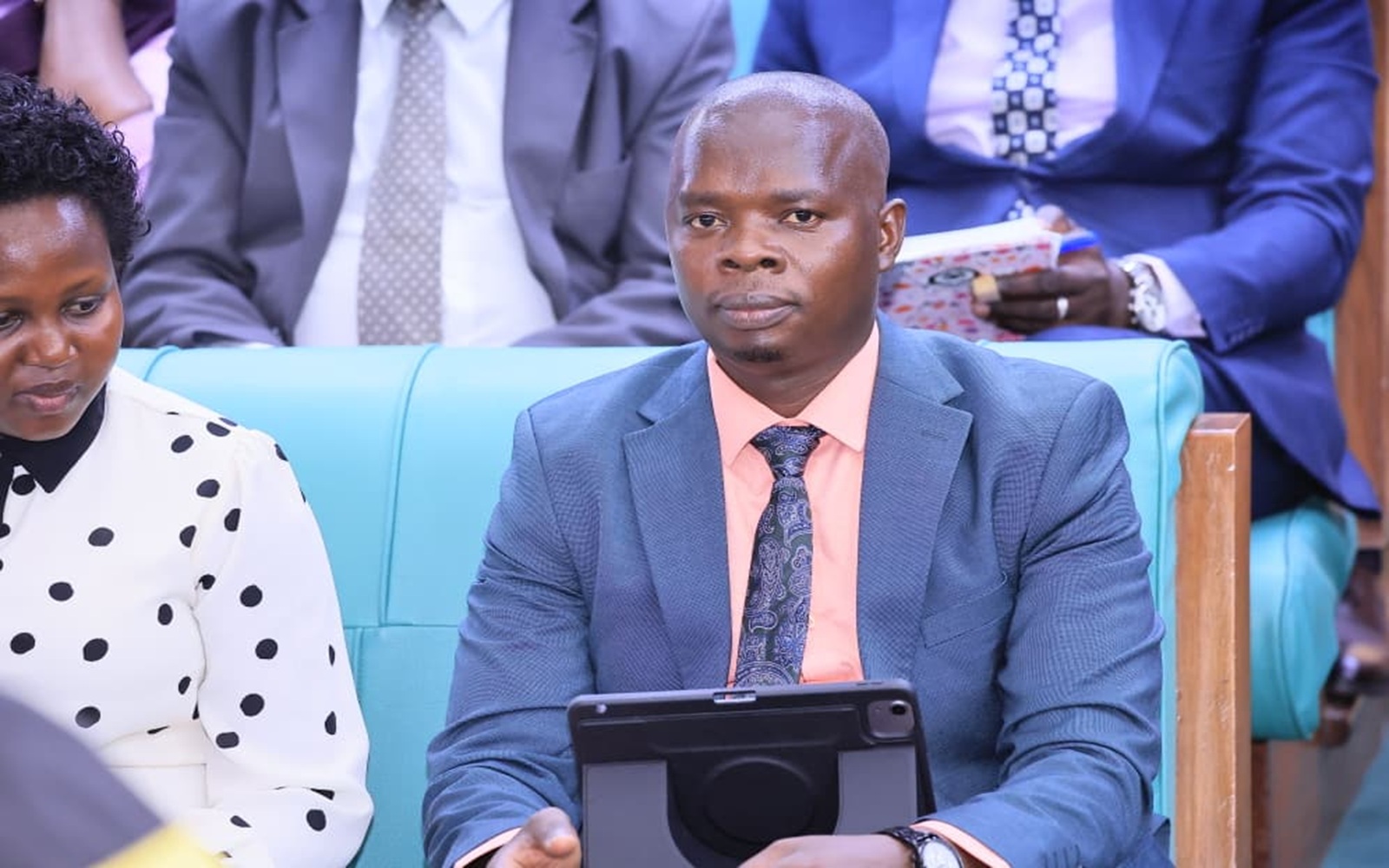
Maruzi North County MP Benard Otim put one of the most glaring gaps before the House, questioning how Ugandans could be expected to detect cancer early when screening services remain out of reach for much of the population.
Otim called for greater investment in mobile cancer screening, pointing out that the Uganda Cancer Institute currently operates only one screening van for the entire country.
The shortage is significant given the scale of Uganda’s cancer burden.
Medical Oncologist Dr Naghib Bogere of the Uganda Cancer Institute said earlier this year that Uganda records more than 37,000 new cancer cases annually, with roughly 28,000 deaths. He attributed the poor outcomes in part to patients seeking treatment only after the disease has advanced.
National cancer registry data cited by the Institute shows Kampala carrying the heaviest cancer burden, while Gulu in northern Uganda and Kabale in the south-west have also been identified as high-incidence areas.
ALSO READ: Botswana’s National Training Push Aims to Strengthen Cervical Cancer Prevention
The Uganda Cancer Institute registered 8,372 new patients during the 2024/2025 financial year alone. Officials, however, say that figure represents only a fraction of the national caseload because many cancer cases go undiagnosed.
Otim’s call for more mobile screening units comes against a backdrop of persistently low screening rates, particularly for cervical cancer.
Independent studies have found cervical cancer screening uptake in Uganda to be below five percent nationally, considerably lower than the already-low Sub-Saharan African average of about 13 percent.
Research involving cervical cancer patients at the Uganda Cancer Institute has also found that about 86 percent arrive for treatment with advanced-stage disease. By then, treatment options are more limited and the chances of survival are significantly reduced.
Ambulances promised but yet to reach constituencies
The parliamentary debate also reopened a longstanding concern over emergency medical transport.
Buzaaya County MP Martin Muzaale asked the Ministry of Health to explain why its earlier commitment to provide ambulances to constituencies across the country had largely failed to materialise.
Responding on behalf of government, Minister of State for Health in charge of Primary Health Care Charles Ayume said the original plan was to decentralise ambulance services and purchase new vehicles every financial year.
He said the programme was disrupted after Shs750 billion was withdrawn from the health budget, affecting the government’s planned rollout.
Ayume said government had nevertheless allocated Shs20 billion in the previous financial year to purchase 54 ambulances.
For constituencies still without an ambulance, however, the figure highlights the gap between the national plan and what is available on the ground.
On cancer specifically, Ayume acknowledged the demands the disease places on Uganda’s health system, particularly because of the specialised equipment, skills and infrastructure required to diagnose and treat patients.
“Cancer is an intense sector in terms of the machines, training and infrastructure,” Ayume said.
He said government spending on cancer care had increased significantly compared with two decades ago, while efforts were under way to decentralise services so that patients would not have to travel to Kampala for every stage of their treatment.
Prevention remains a key battleground
Ayume pointed to prevention as one area where government believes it can make significant gains.
He highlighted the Ministry of Health’s programme to vaccinate 10-year-old girls against Human Papillomavirus (HPV), the primary cause of cervical cancer, which remains Uganda’s leading cancer killer among women.
He also identified lifestyle, diet and environmental exposure as factors that could contribute to the country’s growing cancer burden, particularly as urbanisation changes how Ugandans live and eat.
Technology is also beginning to play a role in prevention and early detection.
In partnership with the Korea Foundation for International Healthcare, the Uganda Cancer Institute has introduced AI-assisted visual inspection technology to improve the speed and accuracy of cervical cancer screening.
ALSO READ: New Study Reveals Widespread Drug Resistance Across 14 African Countries
By early this year, the initiative had screened more than 35,000 women in Kampala and Mbarara and identified more than 3,000 women with pre-cancerous lesions who could receive treatment before the disease progressed.
The Rotary Cancer Run has also contributed to Uganda’s cancer response, helping fund the Cancer Ward at Nsambya Hospital, which now treats hundreds of patients annually, as well as a radiotherapy facility.
Parliament’s latest Shs3 billion contribution is expected to support the completion of the Nsambya Hospital Cancer Centre.
Once completed, the centre is expected to provide radiotherapy, chemotherapy, an oncology pharmacy and specialised cancer training for medical students.
The facility could also help reduce pressure on the Uganda Cancer Institute, which currently serves as the country’s only tertiary radiotherapy facility.
MPs call for a stronger national response
Speaker Oboth said the scale of cancer deaths demanded a more coordinated response involving Parliament, government and the public.
With close to 18,000 Ugandans dying from cancer every year, he urged MPs to use their platforms to promote prevention, screening and early treatment.
Wakiso District Woman Representative Ethel Naluyima echoed the call, urging legislators to become active advocates in the fight against the disease.
She said sustained public awareness and collective action would be critical if Uganda is to reduce its cancer burden.
The parliamentary debate has therefore brought several longstanding weaknesses into sharp focus: limited access to screening, inadequate emergency transport and a shortage of specialised cancer infrastructure.
Government faces the difficult task of closing those gaps while operating under significant budgetary pressure following the Shs750 billion health funding shortfall.
For now, Uganda’s cancer response remains a work in progress. A single mobile screening van serves a country of more than 45 million people, many constituencies continue to struggle without dedicated ambulances, and the planned Nsambya Cancer Centre offers a glimpse of what expanded access to treatment could look like.
The challenge for government will be ensuring that those investments reach patients before cancer becomes a late-stage diagnosis rather than after.