The proposed law is aimed at creating clearer rules for municipalities where political parties have to share power because no single party has secured enough seats to govern alone.
Coalition Bill Moves Ahead In South Africa as November Local Elections Loom
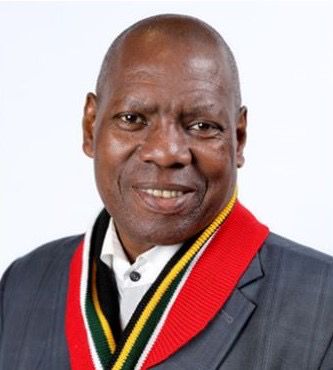
JOHANNESBURG – South Africa’s efforts to bring greater stability to coalition governments at municipal level have taken another step forward, with Parliament’s Cooperative Governance and Traditional Affairs (COGTA) Portfolio Committee beginning work on the proposed Local Government: Municipal Structures Amendment Bill of 2026.
The committee received its first detailed briefing on the legislation this week and will now map out how it intends to process the Bill, commonly referred to as the Municipal Coalitions Bill, including timelines and arrangements for public participation.
The proposed law is aimed at creating clearer rules for municipalities where political parties have to share power because no single party has secured enough seats to govern alone.
One of the key proposals is to make coalition agreements compulsory and transparent.
Parties entering into coalitions would have to formally record their agreements, submit them to the relevant municipal and provincial authorities, and make them publicly available through the Provincial Gazette.
The Bill also proposes giving newly elected councils more time to establish their governance structures, increasing the current period from 14 to 30 days.
It further seeks to discourage constant leadership changes by placing a 12-month limit on certain motions to remove municipal office bearers.
However, this would not prevent action in serious cases, including financial misconduct or criminal convictions.
The legislation also contains measures aimed at strengthening municipal audit committees and providing clearer arrangements when key office bearers, such as speakers or executive mayors, leave their positions.
Electoral thresholds remain contentious
One of the issues likely to generate political debate is the question of electoral thresholds.
Threshold provisions that appeared in an earlier draft were removed before the Bill was introduced after legal concerns were raised about their constitutionality.
ALSO READ: Zambia Resumes Vote Counting After Election Officials Attacked
However, COGTA committee chairperson Dr. Zweli Mkhize has indicated that the issue could still be considered as Parliament works through the legislation.
“It cannot just disappear because it (the relevant provision) did not make it into the Bill. The committee will revisit the issue of thresholds during deliberation on the Bill,” said Mkhize.
The question of thresholds could prove particularly significant because it touches directly on which parties and political formations qualify for representation and access to positions within municipalities.
Elections could come before the new rules
The timing of the legislation is politically important.
With the November local government elections approaching, South Africa could soon see another wave of coalition negotiations as voters determine the composition of municipal councils.
However, the proposed legislation is unlikely to be in place before those elections.
Parliament must still determine whether the Bill will follow the Section 76 or Section 75 legislative route.
Section 76 is currently viewed as the likely option because of the Bill’s implications for provincial government.
The committee has also not yet begun its detailed debate on the Bill. Its next step is to develop a programme that sets out how the legislation will be considered, including the timetable and the public consultation process.
What does it mean?
The Municipal Coalitions Bill is effectively an attempt to bring greater certainty to South Africa’s coalition politics.
The November elections could once again leave municipalities governed by alliances between competing political parties.
But unless Parliament moves faster than the normal legislative process allows, those new coalitions will initially operate under the existing rules.
The real political test will therefore be whether the proposed legislation can eventually provide enough stability to prevent coalition disputes from turning into prolonged battles for political control and ensure that municipal government remains focused on delivering services to communities.
Subscribe to Our Newsletter
Keep in touch with our news & offers
Thank you for subscribing to the newsletter.
Oops. Something went wrong. Please try again later.