KAMPALA: Uganda’s ambition to grow its economy to US$500 billion by 2040 will depend partly on whether it can build a health system strong enough to support a healthier, more productive population.
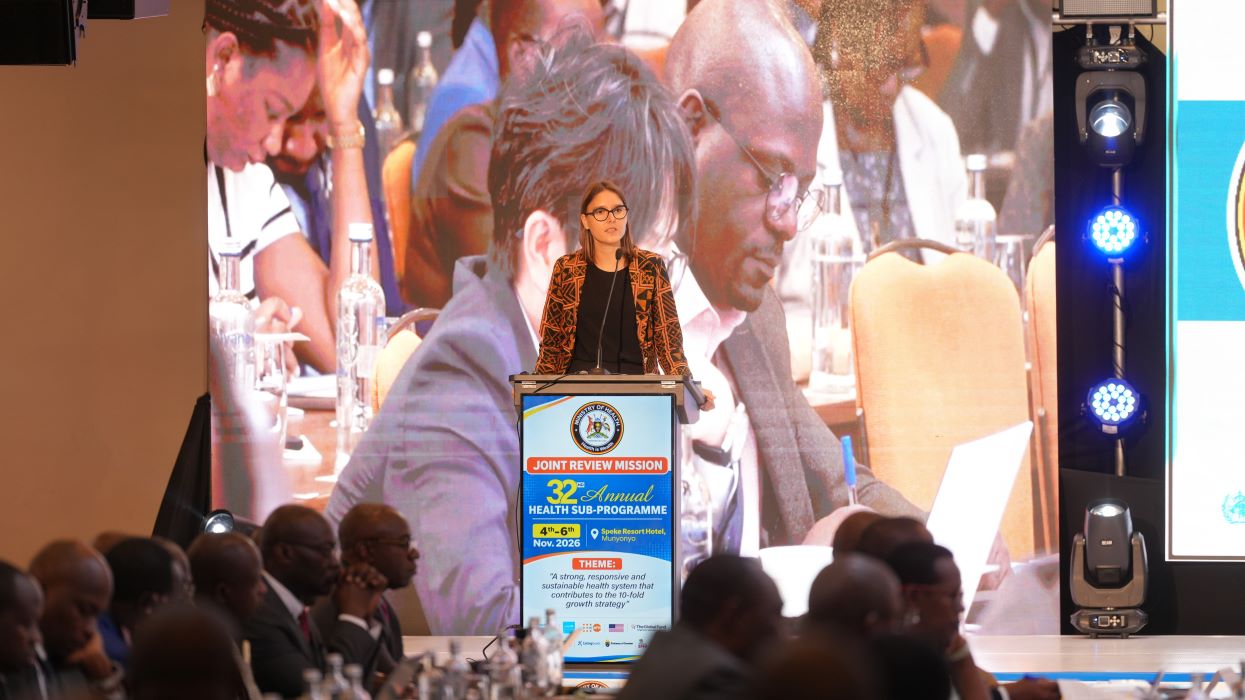
That was the central message at the 32nd Health Sub-programme Joint Review Mission, where government officials, development partners, local authorities, civil society and private-sector representatives met to assess the country’s health sector performance and identify reforms needed to sustain progress.
The annual meeting, held under the theme “A strong, responsive and sustainable health system that contributes to the 10-fold growth strategy”, examined health financing, quality of care, service delivery and the capacity of the health system to respond to changing demands. The discussions come as Uganda faces a growing population, an increase in noncommunicable diseases, emerging epidemics, climate-related health risks and shortages of health professionals.
At the same time, declining global health financing is putting pressure on countries to increase domestic investment.Uganda’s Tenfold Growth Strategy aims to expand the economy from about US$50 billion in 2023 to US$500 billion by 2040. The plan identifies agro-industrialisation, tourism, mineral development and science and technology innovation as key drivers of economic transformation.
But health leaders argue that economic growth will be difficult to sustain without investment in the people and services that underpin productivity.
Health is an investment, not a cost
Opening the review, Health Minister Dr Chris Baryomunsi called for an honest assessment of the sector’s achievements and shortcomings, saying evidence-based decisions were needed to accelerate progress towards Universal Health Coverage.
ALSO READ: Uganda’s Parliament halts charcoal ban enforcement as MPs question cost of alternatives
“Let us celebrate achievements where progress has been made, but let us also candidly confront the challenges that continue to impede our performance,” Baryomunsi said. He said practical solutions were needed to improve performance and advance the country’s broader development objectives.
Speaking on behalf of WHO Representative to Uganda Dr Kasonde Mwinga, Kira Koch, the organisation’s Team Leader for Health Systems and Services in Uganda, said health spending should be viewed as an investment in national development.
“The question before us is not only what health costs. It is what under-investing in health costs Uganda. A healthy population is a productive population, and a productive population drives national development,” Koch said.
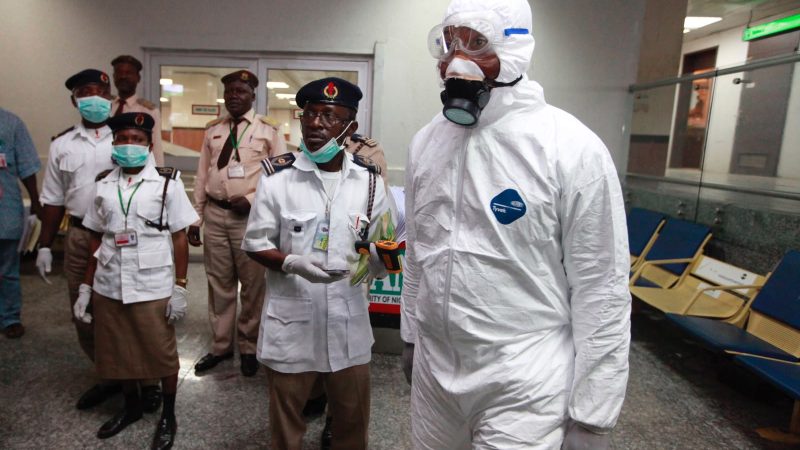
She identified three priorities: strengthening primary healthcare, investing in preparedness before emergencies occur and increasing sustainable domestic financing. The priorities reflect lessons from recent public health emergencies, including Ebola and mpox outbreaks, which exposed the importance of disease surveillance, laboratory capacity, community engagement and a skilled health workforce.
Health worker shortages threaten service delivery
The scale of Uganda’s workforce challenge was highlighted in a Ministry of Health review published in September. The review found that the country had a staffing gap of 119,193 health worker posts. Specialised institutions had filled only between 7% and 20% of their required positions, while critical-care units faced vacancy rates ranging from 90% to 100%.
ALSO READ: Uganda’s Arua hospital operating at just 23% staffing as patient numbers soar
Some intensive-care equipment delivered to health facilities was also underused because there were not enough trained staff to operate it. The shortages are unevenly distributed. While the Central region and referral institutions attract more health professionals, areas such as Karamoja, West Nile and Lango continue to experience staffing gaps.
At district level, 42.3% of District Health Officer positions did not have substantive appointments, according to the ministry. These pressures are likely to intensify as the population grows, urbanisation increases demand for services and the number of older people rises. For a country seeking rapid economic expansion, the challenge is not only to build more health facilities, but also to ensure they have the personnel and resources needed to provide effective care.
Reducing dependence on external funding
Financing is another major concern. In July, WHO reported that Uganda was preparing for the effects of declining donor support and tighter public finances. The organisation was working with the Ministry of Health and Makerere University School of Public Health on an analysis of the potential impact of reduced external funding on health services.The exercise was intended to identify vulnerabilities before funding gaps translated into disruptions in care, particularly for communities dependent on publicly funded services. WHO said improving efficiency, strengthening procurement and supply chains, and making better use of available resources would be essential as Uganda works to reduce donor dependence. The latest review mission placed sustainable domestic financing among the key priorities for building a more resilient health system.
Performance report launched
The review mission also marked the launch of Uganda’s Annual Health Sector Performance Report for the 2025/26 financial year. The report was developed with technical support from WHO and other partners and is expected to inform discussions on sector performance and future reforms.
The meeting is expected to produce recommendations through an Aide Memoire, which will guide investment and policy decisions as Uganda pursues Universal Health Coverage and its wider national development goals. The challenge now is to turn those recommendations into practical improvements in healthcare access, staffing, preparedness and financing.
As Uganda pursues its US$500 billion economic target, the message from the review was that health cannot be treated as a separate social-sector concern. A capable health system is central to protecting lives, developing human capital and sustaining economic growth.