Uganda’s Parliament has ordered investigations at hospitals in Iganga and Bugiri after uncovering unaccounted-for medicines, gaps in drug records and allegations that patients were being charged unofficial fees for services meant to be provided free of charge.
Uganda Hospitals Under Scrutiny as MPs Uncover Missing Medicines and Alleged Illegal Fees
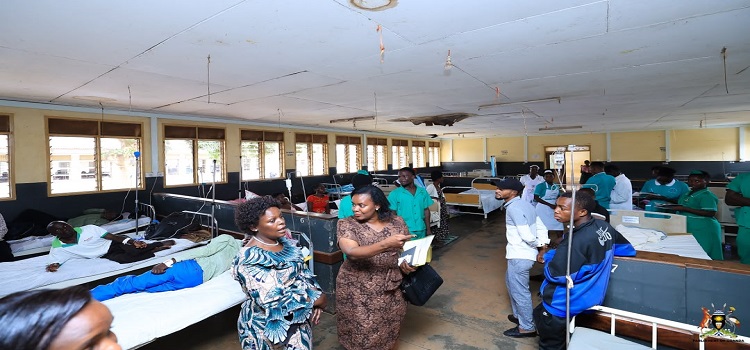
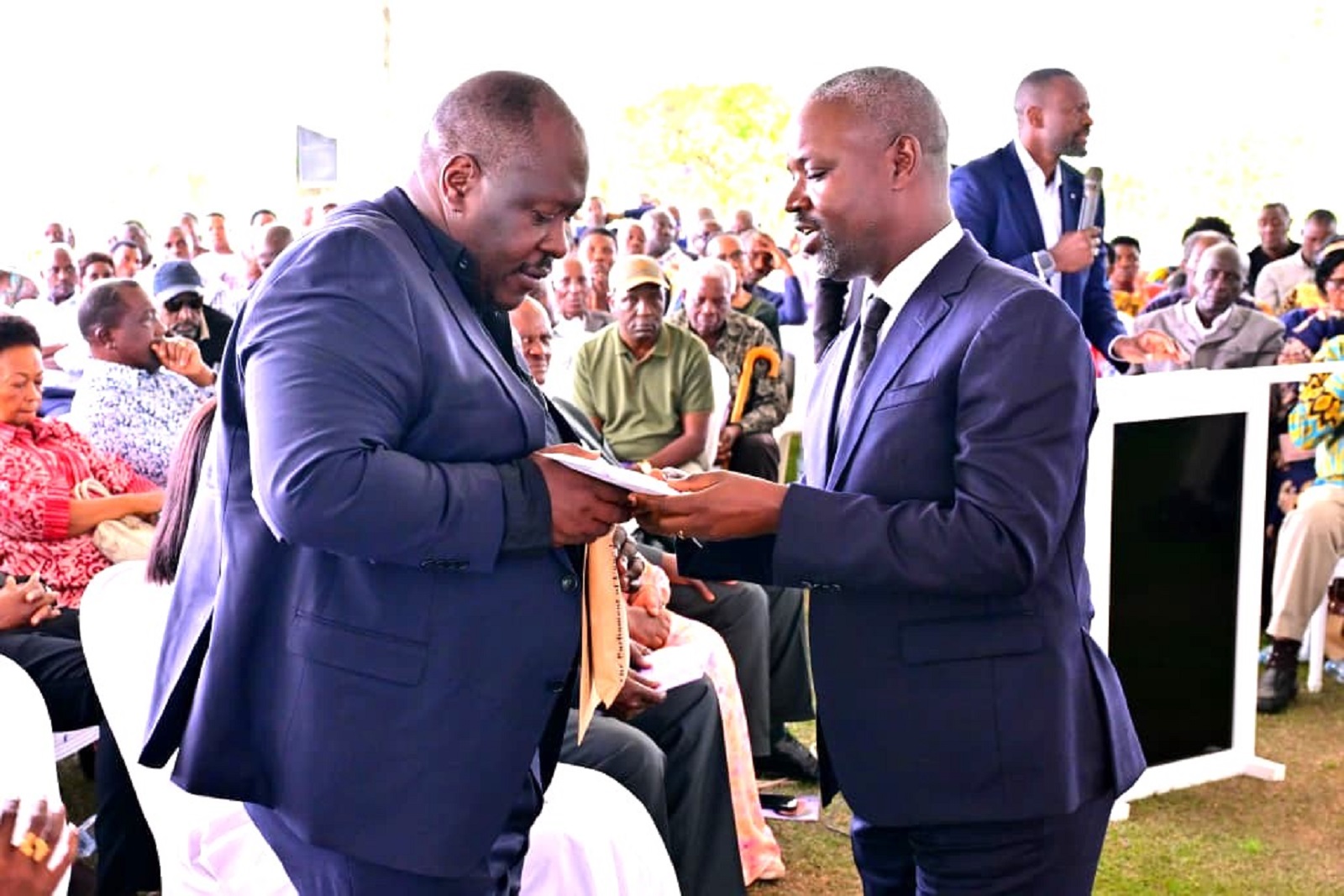
KAMPALA/IGANGA/BUGIRI, Uganda – What was expected to be a routine parliamentary oversight visit to two hospitals in eastern Uganda has exposed serious gaps in the management of medicines, hospital revenue and patient care.
When the Parliamentary Committee on Health visited Iganga General Hospital on Tuesday, 8 September 2026, MPs found medicines on shelves without records showing where they had come from or how they had entered the hospital’s stock system.
In other cases, stock cards showed medicines as being out of stock for weeks, but officials could not produce the dispensing records needed to establish how the drugs had been used or when supplies ran out.
The missing records have left the committee unable to establish whether medicines were stolen, diverted, fully delivered or legitimately dispensed to patients.
“We found some medicines that cannot be accounted for. Their inlet and outlet are unknown, and we cannot tell whether it was only the quantities we saw or it was a big consignment,” said Hope Nakazibwe, who led the committee’s oversight visit to the two districts.
Drug records raise bigger questions
For the committee, the concern was not simply another case of a public hospital running out of medicines.
The more serious issue was the absence of records at both ends of the supply chain. Without documentation showing what was received and what was subsequently dispensed, investigators cannot establish the volume of medicines involved or identify where accountability may have broken down.
Nakazibwe said the poor record-keeping was also making it difficult for local leaders to explain persistent medicine shortages to communities.
The committee has instructed the Resident District Commissioner (RDC) in Iganga to investigate the irregularities and take custody of medicines that cannot be accounted for.
“We have asked the RDC to take charge of this irregularity as the law deems fit. We have also asked him to confiscate the medicines which have not been accounted for,” Nakazibwe said.
The investigation will now have to establish whether the undocumented medicines represent an isolated record-keeping failure or evidence of a wider problem in the hospital’s supply chain.
Patients report alleged bedside payments
The committee’s concerns extended beyond the hospital pharmacy.
During visits to the wards, MPs heard complaints from patients alleging that some hospital staff were demanding informal payments before providing services, with the pharmacy department among those implicated.
The committee also received allegations concerning maternity services.
Workers’ MP, Margaret Rwabushaija, said expectant mothers had reportedly been asked to pay for “special assistance” during night deliveries.
ALSO READ: Bank Of Uganda Tightens Security Controls After Reported Breaches
She warned that such charges could have consequences beyond the immediate financial burden on patients by discouraging women from using public health facilities.
“This will push away many others to seek maternity services from other risky providers,” Rwabushaija said.
The allegation raises concerns about whether patients who cannot afford unofficial payments could delay seeking care or turn to unregulated providers.
Bugiri hospital revenue comes under the spotlight
At Bugiri Hospital, the committee encountered a different accountability concern.
MPs were told that money collected from patients using the hospital’s private wing had not been remitted to the Consolidated Fund as required under public finance rules.
Patients also told the committee that they had, in some instances, paid more than the officially declared rate of Shs10,000 a night for a private bed.
Hospital Administrator Nuhu Kisambira said the hospital was waiting to be enrolled on the government’s electronic payment system before it could properly remit the money it collects.
But when MPs asked how much had been collected from the private wing and where the money was being kept, Kisambira could not provide a figure.
That left the committee with a central question still unanswered: how much money has the hospital collected, and where has it gone?
The committee has instructed the Bugiri RDC to investigate the handling of private-wing revenue as well as separate allegations that patients were being charged unofficial fees for services, including surgical procedures.
A problem that extends beyond two hospitals
The allegations in Iganga and Bugiri come amid a longstanding national struggle with medicine shortages and the diversion of publicly funded drugs.
Uganda’s National Medical Stores (NMS) is responsible for procuring and distributing medicines to public health facilities, with supplies funded through the government budget. Yet public hospitals and clinics have continued to face periodic stock-outs, while authorities have also investigated cases involving the diversion of free government medicines to private facilities.
Recent enforcement cases illustrate the scale of the problem.
In Kassanda district earlier this year, a health worker was arrested by the National Drug Authority after more than 100,000 doses of government antiretroviral drugs were reportedly discovered hidden in a pit latrine at a private clinic where the suspect worked part-time, according to AllAfrica.
National Drug Authority figures cited in local reporting show that drug-theft enforcement operations over the past six years have recovered medicines worth more than Shs15 billion and resulted in the arrest of at least 62 suspects. Those arrested included 43 health workers, a soldier and a police officer.
In August, the State House Health Monitoring Unit highlighted the conviction of a former inventory officer at Rukunyu General Hospital who was found guilty of stealing government medicines worth about Shs300 million.
The unit’s executive director, Dr Warren Naamara, said enforcement would continue against those involved in the theft and diversion of medicines.
NMS has also called for tougher penalties for people convicted of stealing government medicines. Its general manager has proposed that offenders be required to pay three times the value of the medicines recovered from them.
The accountability gap
The Iganga findings are significant because the problem may not be limited to medicines that disappeared from hospital stores.
The committee could not establish from the available records whether some medicines were never delivered in the first place, whether they were delivered but diverted, or whether they were legitimately dispensed to patients.
ALSO READ: She Chose the Frontline: The Ugandan Doctor Healing Somalia’s Wounded
That uncertainty makes effective oversight almost impossible.
In Bugiri, the same accountability problem appears in a different form. The issue is not simply whether patients paid for services, but whether money collected by a public hospital was properly recorded, accounted for and ultimately transferred into the public revenue system.
The RDCs in both districts have now been tasked with filling those gaps through investigations.
Why the findings matter
The parliamentary investigation highlights a basic requirement for accountable public healthcare: medicines, money and services must be traceable.
When records are incomplete, officials cannot reliably determine how much medicine a facility received, how much it used or whether patients were improperly charged for supplies that should have been free.
For patients, the consequences can be immediate. Missing medicines can mean delayed treatment, while unofficial charges can make public healthcare inaccessible to people who cannot afford to pay.
The investigations in Iganga and Bugiri will now determine whether the parliamentary visit results in recovered medicines, the recovery of public funds and possible disciplinary or criminal action.
For Uganda’s health system, however, the broader issue is already clear: without reliable records, even the most basic questions about public medicines and hospital revenue can become impossible to answer.
Subscribe to Our Newsletter
Keep in touch with our news & offers
Thank you for subscribing to the newsletter.
Oops. Something went wrong. Please try again later.