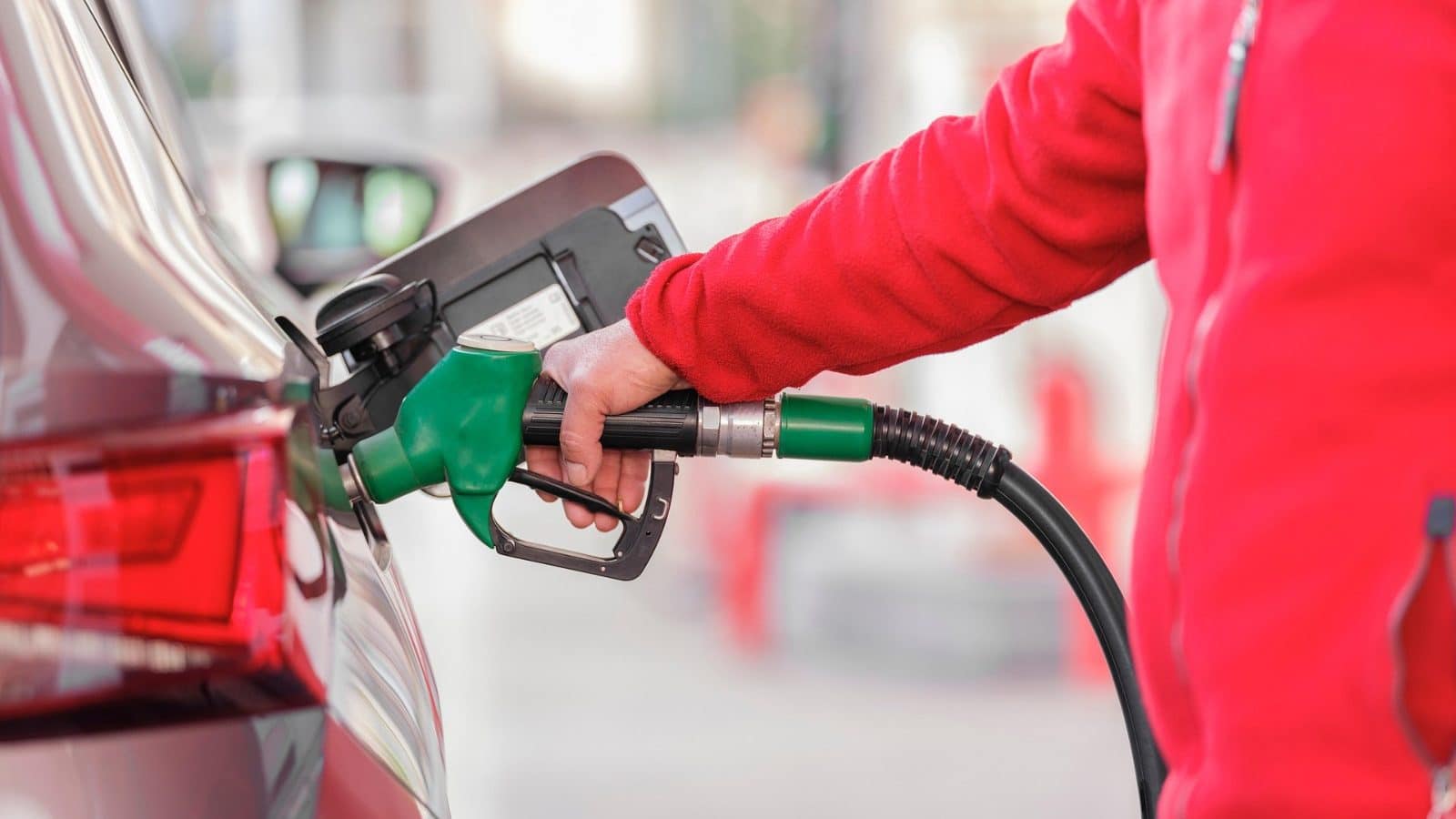
PRETORIA – South African motorists could pay more than R30 a litre for petrol from Wednesday, 7 October, as another steep fuel-price increase threatens to squeeze household budgets and raise costs across the economy.
Month-end Central Energy Fund data reported by BusinessTech points to a R3.12-per-litre increase for 95-octane petrol. If implemented without further adjustments, that would lift the inland price from R26.92 to R30.04 a litre.
Wholesale 50ppm diesel could rise by R3.13 a litre, taking the inland price from R30.05 to R33.18. These remain projections pending the Department of Mineral Resources and Energy’s official announcement.
For a motorist filling a 50-litre petrol tank, the projected increase would mean an additional R156 per visit. At the projected wholesale diesel increase, 60 litres would cost R187.80 more, although the actual pump price depends on the retailer.
The forecasts point to fresh records for both fuels, surpassing the inland 95 petrol peak of R28.06 in June and the wholesale 50ppm diesel high of R31.88 in May.
The outlook worsened considerably during September. Two weeks before month-end, petrol increases were estimated at R2.40 a litre, while diesel projections ranged from R2.04 to R2.40.
October’s expected increases would follow September’s hikes of R1.34 a litre for both petrol grades and between R2.94 and R3.15 for diesel.
ALSO READ: Fuel And RAF Levy, As Well As Excise Refunds, Are A Privilege, Not A Right
Much of the pressure comes from international oil markets. Brent crude touched $108 a barrel during September as renewed conflict in the Middle East heightened concerns about supply disruptions. Uncertainty around the Strait of Hormuz, a critical route for oil shipments, has kept markets volatile.
The slate levy, used to settle accumulated fuel-pricing under-recoveries, could also affect the final October adjustment.
Motorists have little indication that government will cushion the increase.
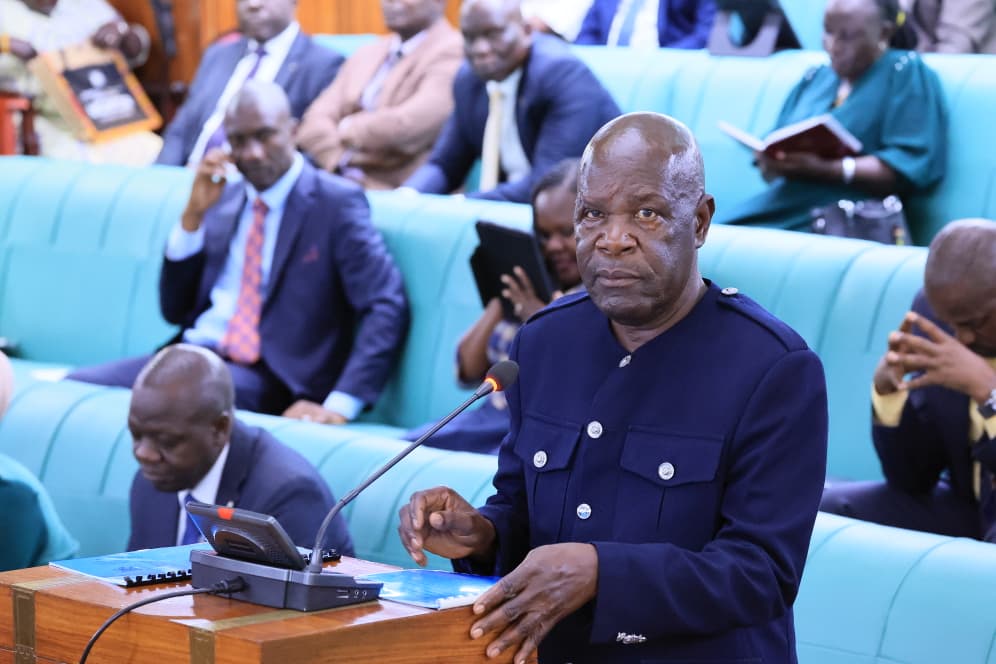
Responding to a parliamentary question, Mineral and Petroleum Resources Minister Gwede Mantashe said no interventions are currently planned, citing continued volatility in petroleum product prices.
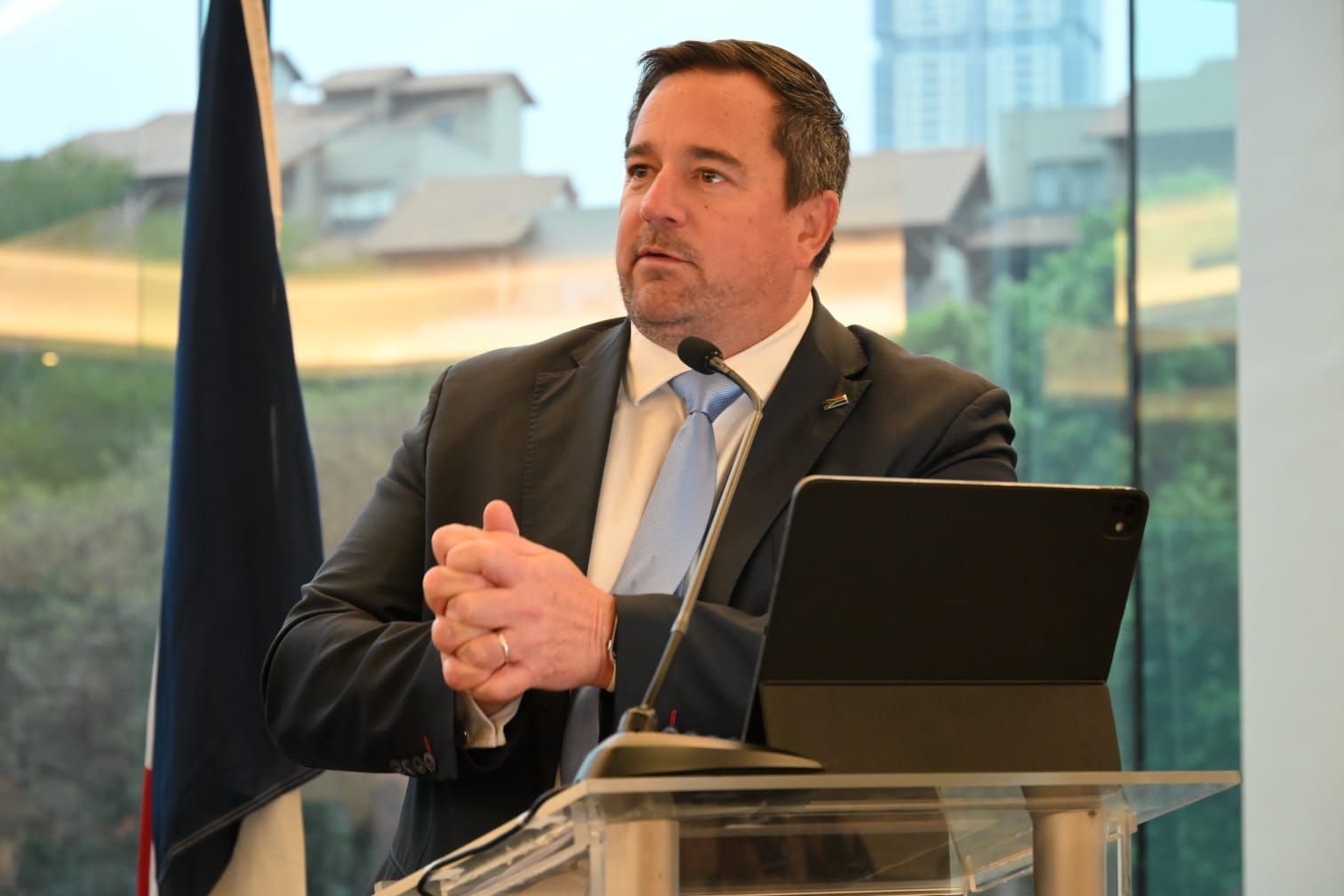
Government introduced temporary fuel-tax relief earlier this year, at a reported cost of more than R17 billion. Finance Minister Enoch Godongwana has warned that further relief would reduce revenue and require spending cuts, higher taxes or additional borrowing.
The expected fuel hike also follows the Reserve Bank’s decision on 23 September to raise its policy rate by 25 basis points to 7.25%, increasing borrowing costs for consumers and businesses.
Together, higher fuel and credit costs would leave households with less room for groceries, school expenses and other essentials. Families travelling long distances to work, or running more than one vehicle, would face a particularly difficult adjustment.
The consequences could extend beyond the forecourt. More expensive diesel raises the cost of moving goods, operating farm machinery and running transport services. Where businesses pass those increases on, consumers could face further pressure through food prices, delivery charges and fares.
The final adjustment will depend on the department’s official calculations, including any levy changes. Until those figures are announced, R30 petrol remains a forecast. For motorists, however, the projected increases already point to a substantially more expensive fill-up next week.