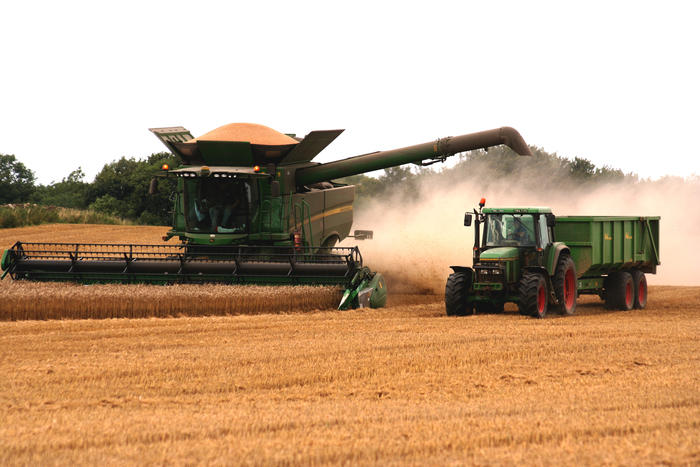
OSLO, Norway – Seven of the biggest aid agencies working in Sudan have warned that the harvest now under way could decide whether millions of people eat next year, as war, a collapsing currency and erratic rains close in on farmers who planted their fields under fire.
In a joint statement issued on Monday, Action Against Hunger, CARE International, the Danish Refugee Council, the International Rescue Committee, the Norwegian Refugee Council, Mercy Corps and World Vision International Sudan said nearly 29 million people in Sudan already face acute food insecurity, according to the Sudan Food Security and Livelihoods (FSL) Cluster.
“Sudan cannot afford a lost harvest,” the organisations said.
A woman farmer in Kass, South Darfur, quoted in the statement, put it more plainly: “We have nothing to buy food and prices keep rising. Starvation is around the corner.”
Planting under fire
Across Darfur, Kordofan, Blue Nile and other conflict-affected states, farmers went into their fields this season despite fighting, displacement and tight restrictions on movement. For many, the decision to plant was itself a gamble with their lives.
“We planted knowing we might be killed before harvest. Not planting was also death,” a farmer in South Kordofan said in the statement.
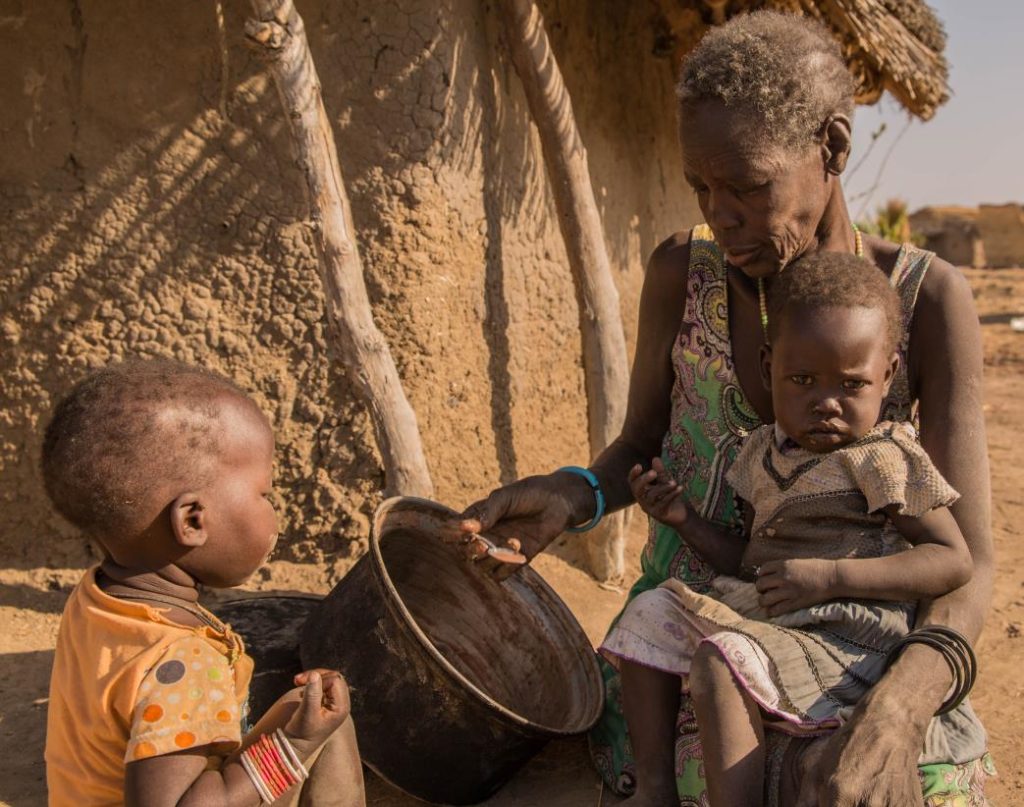
Musa Mohamed Hassan Abdulla, programme director of the Future Stars Center for Development and Capacity Building and a member of the Sudan FSL Cluster, said the stakes reach well beyond empty plates.
“What worries me most is that a failed harvest will bring starvation and disease. When people can no longer access food or earn an income, the risks of violence, abuse, and conflict between communities increase dramatically,” he said.
The question now facing the country is stark. Will farmers be able to bring in what they planted, and will that food reach the families who need it?
A food system under attack
The aid agencies said farmland, roads, markets, water systems, power supplies and other civilian infrastructure needed to grow and trade food continue to be attacked.
Poor and erratic rainfall, along with growing fears of drought, is threatening yields, while soaring inflation and a sliding currency are driving up the cost of food, fuel and transport.
ALSO READ: Aid cuts leave 117,000 Sudanese refugees facing worsening conditions in Chad
In Darfur, the statement said, farmers are dealing with all three at once: conflict, poor rains and fast-rising living costs.
The war between the Sudanese Armed Forces and the paramilitary Rapid Support Forces (RSF), which erupted in April 2023, is now in its fourth year, and the frontlines run through some of the country’s most important farming regions.
North Kordofan has been hit hard in recent weeks. On 8 September, a drone struck a courthouse in Um Ruwaba, killing about 10 people and injuring dozens, and a day later a drone hit a college in the state capital, El Obeid, Reuters reported. The United Nations documented more than 1,000 civilian deaths from drone strikes by both sides in the first half of 2026. The RSF denies deliberately targeting civilians.
Famine was first confirmed in Zamzam camp in North Darfur in August 2024. In late 2025, the Integrated Food Security Phase Classification (IPC) confirmed famine in El Fasher and Kadugli, and warned that 20 more areas across Darfur and Kordofan were at risk.
The numbers keep pointing the same way
The 29 million figure cited by the aid agencies matches the one they published in an April report on Sudan’s food crisis. A separate IPC update released in May put the number of people in crisis-level hunger or worse at 19.5 million, about 41% of the population, while warning that the risk of famine persists.
That May analysis found 135,000 people in catastrophic conditions across 14 hotspots in North Darfur, South Darfur and South Kordofan, and more than five million in the emergency phase, one step below famine. It projected that 825,000 children under five would suffer severe acute malnutrition this year. National cereal production was down 22% on the previous season.
In Ambro locality, North Darfur, more than half of young children surveyed (52.9%) were acutely malnourished.
“Famine continues to threaten the people of Sudan, as hunger and malnutrition are threatening millions of lives right now,” World Food Programme (WFP) executive director Cindy McCain said at the time.
UNICEF executive director Catherine Russell said children suffering from severe acute malnutrition “arrive at overstretched facilities too weak to cry.”
A second war hits the farm gate
Sudan’s farmers are also paying for a war being fought more than 2,000 kilometres away. Disruption to shipping through the Strait of Hormuz linked to the conflict involving Iran has squeezed fertiliser supplies and pushed up diesel prices. Sudan relies on the Gulf for more than half of its fertiliser and imports all of its fuel.
National surveys reported in May showed fertiliser prices up 67% year on year and fuel prices more than doubled, a heavy blow for farmers who depend on diesel pumps to irrigate. At the Jamuia farming scheme near Khartoum, only 500 of 10,000 feddans had been planted halfway through the season.
“At that price we don’t make a profit, you spend your whole profit on the diesel,” one farmer said. A senior Food and Agriculture Organization (FAO) analyst warned that overall production could fall by “not less than 40%”.
The money to cushion the blow is not there. As of April, Sudan’s 2026 humanitarian plan was only 20% funded. In July, WFP said a $646 million shortfall had forced it to cut the number of people it helps from five million to 3.5 million and to reduce rations.
“We’re not heading in the right direction here… we are falling backwards,” WFP acting executive director Carl Skau said.
Local responders holding the line
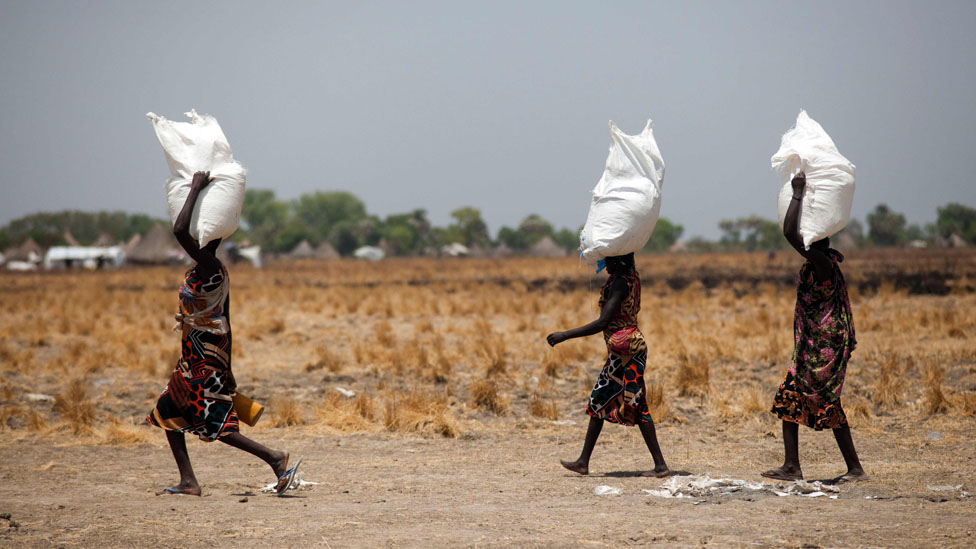
Despite the scale of the crisis, the aid agencies said Sudanese communities are keeping local food systems alive. Farmers’ associations, women’s groups, local responders, traders and community networks are moving food and sustaining livelihoods with few resources and under constant threat.
These local actors, the statement said, have become critical to keeping communities supplied and preventing an even deeper catastrophe.
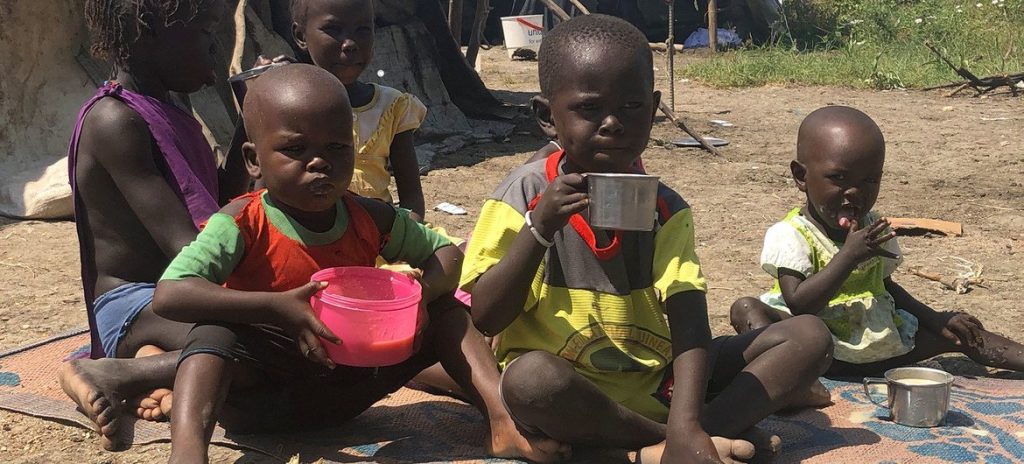
But they are stretched. The April report by the same group of agencies found that community kitchens were closing or cutting meals by half or more, that millions in conflict zones were surviving on one meal a day or less, and that households headed by women were three times more likely to go hungry than those headed by men.
“We no longer ask what we will eat. We ask who will eat,” a woman named Ikhlas in North Darfur told researchers.
Why it matters beyond Sudan’s borders
What happens in Sudan’s fields will be felt across the region. More than 3.5 million people have fled to neighbouring countries, including over 900,000 to Chad, more than 600,000 to South Sudan, about 1.5 million to Egypt and over 550,000 to Libya, according to NRC research published in April. More than nine million people remain displaced inside Sudan.
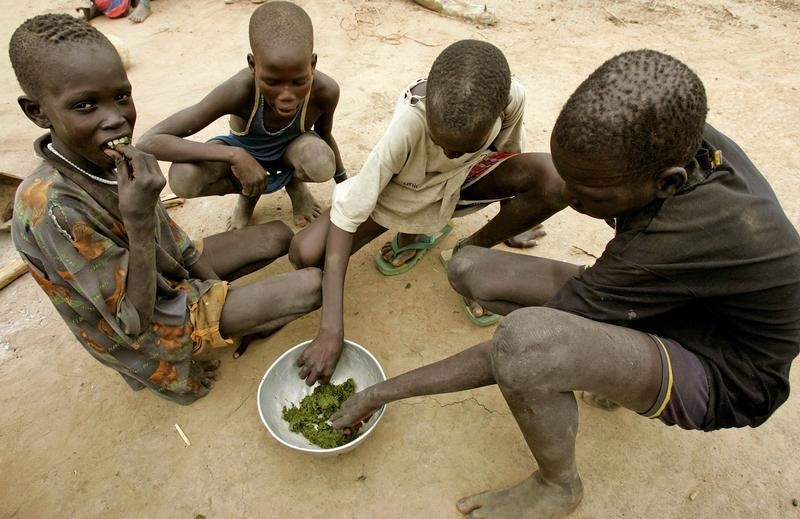
That research found that 70% to 80% of refugee and displaced households in Chad, Sudan and South Sudan were cutting or skipping meals, and that 74% had no income at all. A failed harvest would add pressure on host communities in some of the continent’s poorest border areas.
“Communities that have shared everything for three years have been pushed beyond their limits,” NRC secretary general Jan Egeland said at the time.
What the aid agencies want
The organisations called on all parties to the conflict, and those with influence over them, to protect civilians, farmland and vital civilian infrastructure. They urged authorities and armed groups to make sure farmers can safely reach their fields and markets, and to guarantee the safe movement of food, commercial goods and humanitarian aid.
They also asked regional and international actors to make protecting the October to January harvest an immediate diplomatic priority, and called on donors to keep life-saving aid flowing while investing in livelihoods, local responders and the food systems that help communities withstand future shocks.
Protecting the harvest will not end Sudan’s hunger crisis. But losing it could make 2027 far worse for millions of people.
For Sudan’s farmers, the coming months are about more than bringing crops out of the ground. They are about whether the country’s food system can survive another year of war.