JOHANNESBURG: For a motorist driving on the N1, negotiating a busy intersection in Johannesburg or travelling on a rural road at night, the safety of a vehicle is rarely something that needs to be considered until something goes wrong.
The brakes are expected to work. The wheels must remain securely attached. Airbags should deploy when needed, warning systems must provide accurate information and the vehicle’s electronic systems should function as designed.
But a series of vehicle recalls announced in South Africa this year has brought those assumptions into sharper focus.
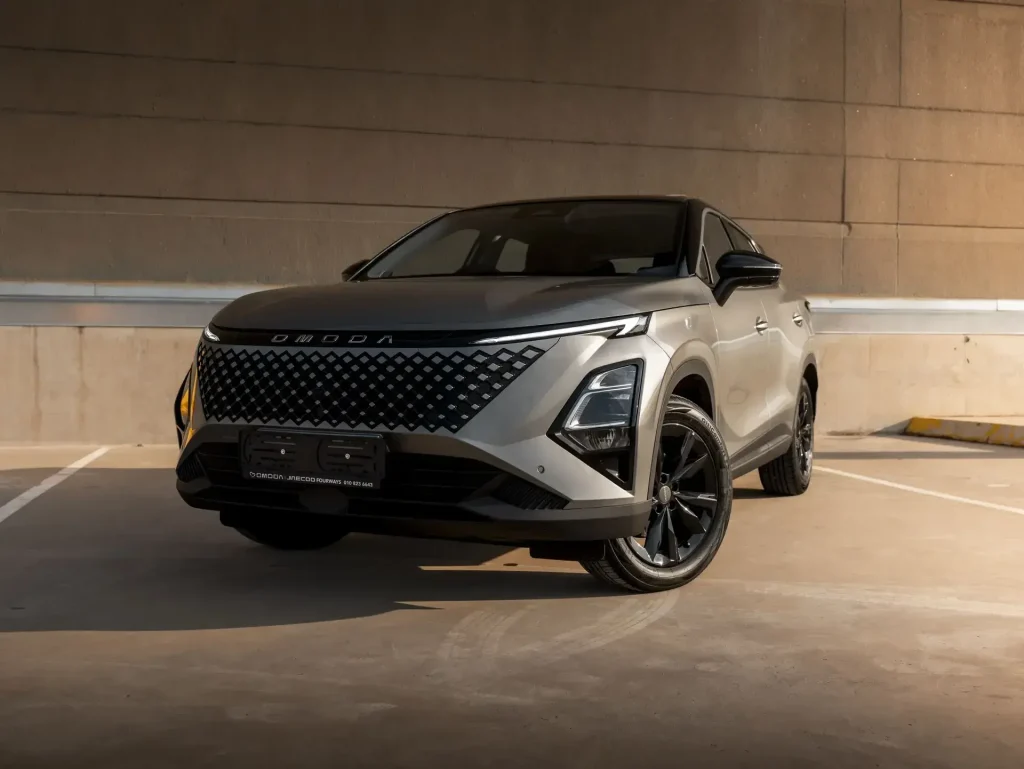
The latest involves 23 667 Chery and Omoda vehicles being recalled over defects that could cause rear suspension collapse or compromise braking performance. It is a substantial campaign, but it is far from the only one.
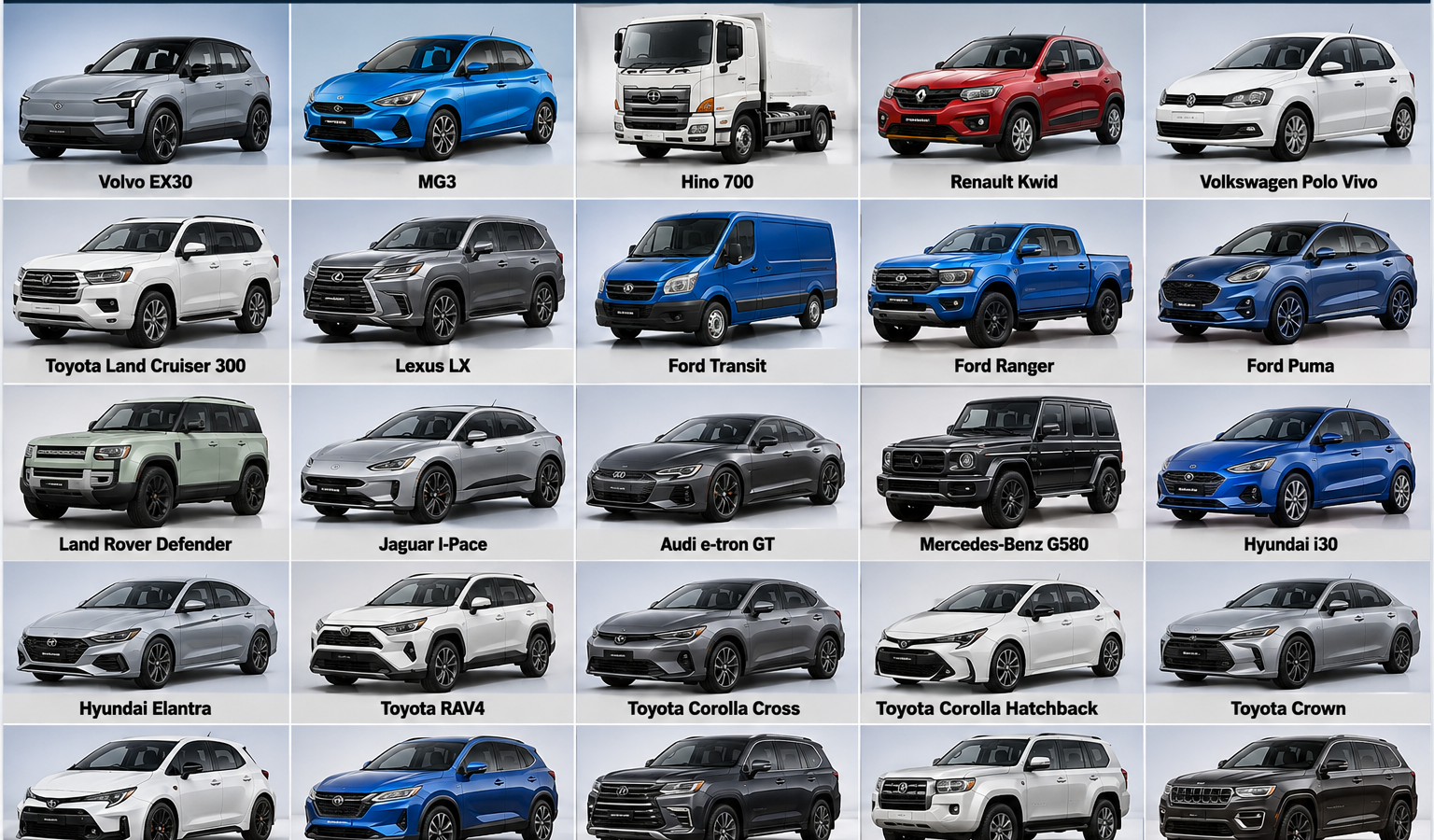
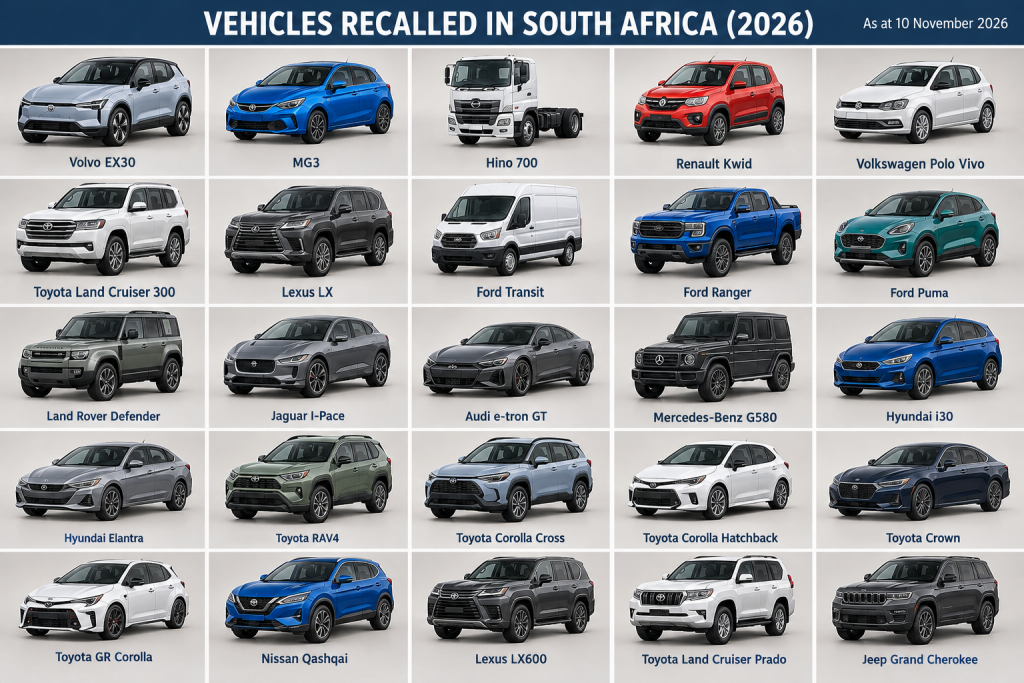
Since January, the National Consumer Commission (NCC) has announced recalls affecting a wide range of vehicles, including the Volkswagen Polo Vivo, Renault Kwid, Toyota Land Cruiser, Volvo EX30, Jaguar I-Pace, Ford Ranger, Hyundai Tucson, Nissan Qashqai and several Mercedes-Benz commercial vehicles.
The defects have varied considerably. Some involve mechanical components, others electronic systems, airbags, fuel lines, batteries and seat-belt anchorage points.
Taken together, the recalls provide a snapshot of the safety challenges facing an automotive market in which traditional manufacturers and newer entrants are competing for customers, while vehicles become increasingly dependent on sophisticated electronic systems.
The question is not whether recalls should happen. They are an established part of vehicle safety regulation and can prevent accidents by identifying defects before they cause harm.
The more important questions are whether manufacturers identify problems early enough, whether regulators receive the information they need, and whether every affected owner is reached before a defect results in an injury or death.
The Chery recall: two defects, 23 667 vehicles
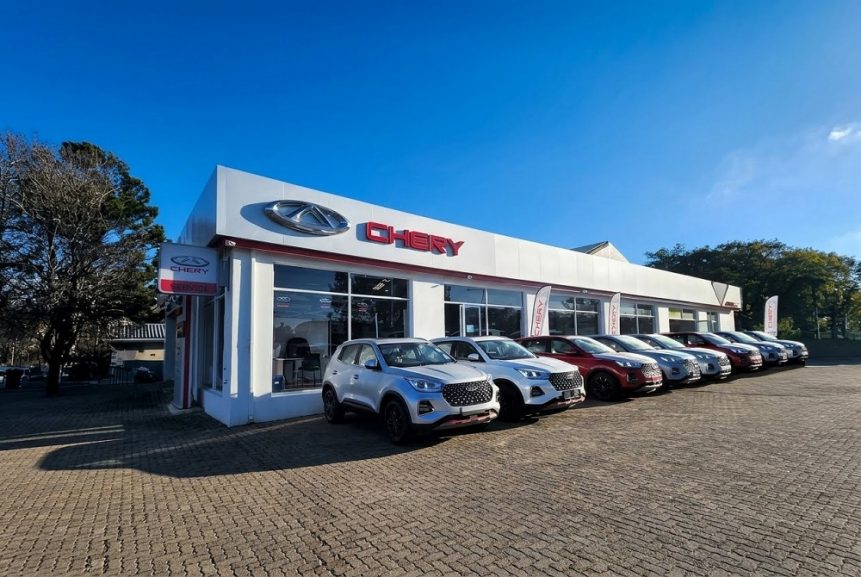
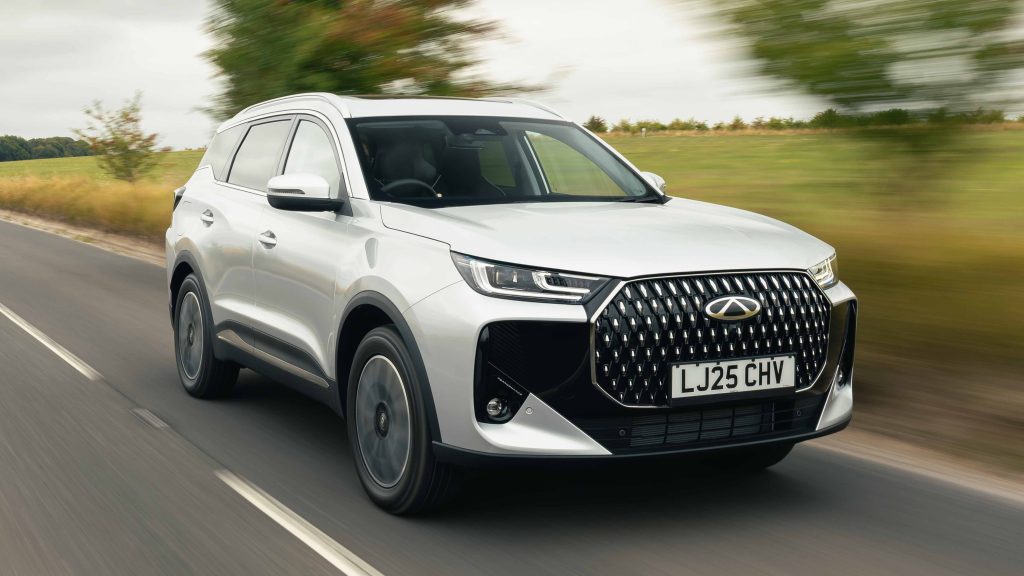
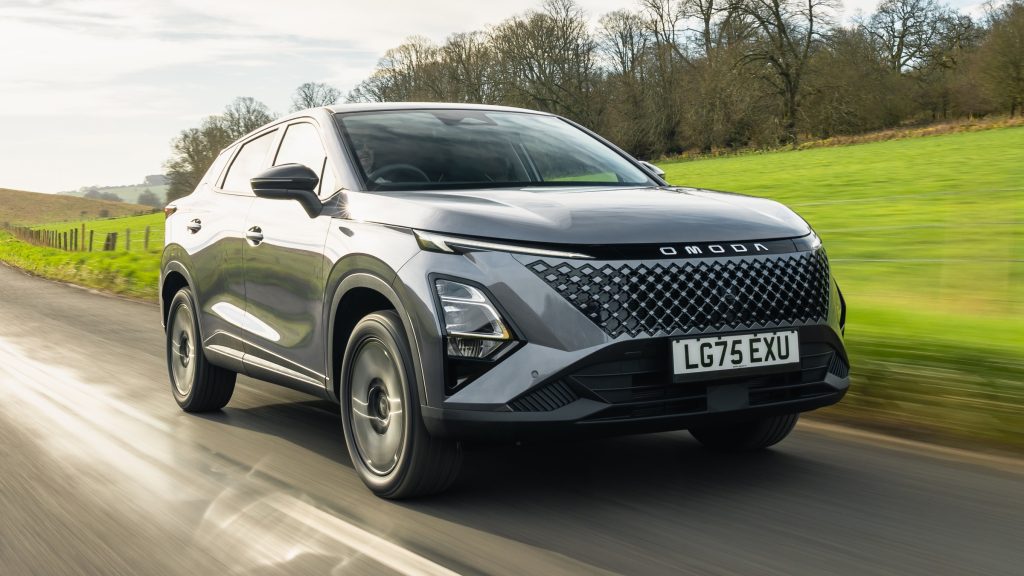
The NCC announced on November 10 that Chery International, trading as Chery South Africa, had notified it of a recall involving three models.
The largest group is the Chery Tiggo 4, with 17 508 vehicles affected. These were made available for sale nationally between October 17, 2023 and March 27, 2024.
A further 2 685 Omoda C5 vehicles, made available for sale between February 2023 and July 2026, are included in the campaign.
Both models are affected by a potential defect involving welding irregularities on the rear axle sleeve. According to the supplier, the problem could cause the rear axle to dislodge, resulting in rear suspension collapse.
The third category comprises 3 474 Chery Tiggo 8 Pro Max 2.0 vehicles manufactured from May 20, 2026 onwards.
In these vehicles, the front brake pipe may come into contact with the turbocharger assembly. Continued contact could wear through the pipe and cause brake-fluid leakage.
The NCC warned that this could reduce braking performance, increase stopping distances and potentially result in a collision, serious injury or death.
The two rear-axle categories account for 20 193 vehicles, while the brake-pipe concern affects the remaining 3 474.
Chery has described the rear-axle campaign as precautionary, saying inclusion in the recall does not mean every vehicle has a defective component. The company says affected vehicles will be inspected and the complete rear axle replaced where necessary.
All inspections and remedial work will be carried out at no cost to owners.
The other vehicle recalls motorists should know about
The Chery announcement follows a year in which the NCC has issued numerous vehicle safety notices. The following is a summary of the other major vehicle campaigns announced between January and November 10, 2026, based on the commission’s notices and published reporting.
January: Volvo, MG and Hino
The year began with a recall affecting 372 Volvo EX30 electric vehicles.
The concern involved the high-voltage battery, which could overheat under certain charging conditions and potentially cause a fire.
The NCC also announced a recall of 209 MG MG3 vehicles after a problem was identified with the seat cushion frame. The defect could affect the seat adjustment mechanism and increase the risk of injury.
Toyota South Africa notified the commission of a recall involving certain Hino 700 Series trucks. The campaign concerned vehicles fitted with components requiring inspection and remedial action.
February and March: Renault, Volkswagen and Toyota
In February, 1 393 Renault Kwid vehicles were recalled after a speed-calculation error was identified. The fault could cause a dashboard warning light to illuminate incorrectly.
March brought one of the year’s largest individual recall campaigns: 25 729 Volkswagen Polo Vivo vehicles.
The problem involved the rivet height on the handbrake lever. If the rivet did not meet the required specification, the handbrake might not engage properly or could disengage unexpectedly.
The risk was particularly concerning when vehicles were parked on an incline.
Owners were advised to take additional precautions, including leaving the vehicle in gear or in Park, as appropriate, and avoiding parking on slopes until the inspection and any necessary repairs had been completed.
Toyota also announced a recall involving 1 846 Land Cruiser LC300 vehicles and 110 Lexus LX500d vehicles over concerns involving the transmission and engine electronic control systems.
Other campaigns announced during March included certain Ford Transit and Transit/Tourneo Custom vehicles, as well as commercial vehicles and other product categories. The NCC’s notices should be consulted for the precise model and production details of each campaign.
April: brakes, batteries and seat belts
April brought a series of recalls involving several vehicle brands.
Ford announced a campaign affecting 438 Ranger XLT and Wildtrak vehicles, as well as certain Ford Puma and Toyota Hino 700 vehicles.
The Ranger concern involved the exhaust gas recirculation valve, which could fail and cause a loss of engine power. Drivers could experience weak acceleration, engine vibration or difficulty starting the vehicle.
A separate recall involved 60 Land Rover Defender vehicles. The concern was with the third-row lower seat-belt anchorage bracket, which could contain a weld stud of insufficient strength. In a crash, the defect could prevent the seat belt from functioning correctly.
Jaguar also recalled 67 I-Pace electric vehicles over a potential high-voltage battery thermal-overload problem that could cause smoke or fire.
ALSO READ: 23 667 Chery vehicles recalled as regulator investigates earlier safety notifications
As an interim measure, affected owners were advised to limit charging to 90%, park away from buildings and charge vehicles outdoors where possible.
Audi announced a recall affecting 40 e-tron GT vehicles over a bolted connection between the brake pedal input rod and brake servo operating rod. If the connection became detached, normal braking could be compromised, leaving only controlled emergency braking available.
May: Hyundai and Mercedes-Benz
In May, the NCC announced recalls involving certain Hyundai i30 and Elantra HD vehicles.
The commission also published a recall notice affecting five Mercedes-Benz G-Class G580 electric vehicles.
The G580 campaign involved a small number of vehicles, but its inclusion illustrates that recall notices are not limited to high-volume models. Even premium and low-volume vehicles can be affected by manufacturing or safety concerns.
June: Toyota, Lexus, Hyundai and Land Rover
June saw one of the year’s larger campaigns involving Toyota and Lexus vehicles.
The recall covered 4 858 Toyota vehicles and 1 667 Lexus vehicles, bringing the combined total to 6 525.
The affected Toyota models included the Crown, Land Cruiser 300, Land Cruiser Prado, RAV4 and bZ4X. Lexus models included the ES, GX, LC500, LX, NX, RX and RZ ranges.
The problem involved the Parking Assist Electronic Control Unit, which forms part of the panoramic view-monitoring system.
According to the supplier, software could cause the rear-view camera image to freeze briefly or fail to display when reverse gear was selected shortly after the vehicle was started.
Hyundai also recalled 337 Tucson NX4 N-Line vehicles over a potential problem with the Forward Collision Avoidance system. The system could trigger unintended emergency braking, creating a safety risk for occupants and other road users.
Certain Range Rover and Range Rover Sport vehicles were also recalled after concerns were identified with panoramic roof side finishers that could loosen or detach.
July: Nissan, Toyota, Lexus and Jaguar Land Rover
July brought further concerns involving fuel systems and other mechanical components.
Nissan recalled 314 Qashqai vehicles after identifying a potential problem with the fuel pipe in the engine bay. Movement within its retaining clip could cause wear and eventually a perforation, resulting in a possible fuel leak.
Toyota announced a recall involving 507 Land Cruiser 300 vehicles, while 124 Lexus LX600 vehicles were also included in a separate campaign.
The affected Lexus vehicles had been sold in South Africa, with some also exported to Botswana and Namibia.
A further recall involved selected Jaguar Land Rover models, including the F-Pace, Defender, Discovery, Range Rover, Range Rover Sport and Range Rover Velar. The concern related to an auxiliary-drive belt idler pulley that could damage an engine oil pressure and temperature sensor, potentially causing an oil leak.
August: Toyota electronic systems and other recalls
August included a Toyota campaign affecting 509 vehicles across several models.
The affected vehicles included the RAV4 PHEV, Corolla Cross, Corolla Hatchback, Crown and GR Corolla.
The issue involved the combination meter, which displays vehicle information such as warning lights, gauges and messages. Incorrect programming could cause excessive data to be written to a memory device, potentially leading to premature deterioration.
The NCC also announced a separate recall involving 518 Toyota vehicles across various models.
Other notices during this period included recalls involving Mercedes-Benz trucks, Fuso trucks, Alfa Romeo Tonale vehicles and certain Ford Ranger double-cab models.
September and October: more SUVs and commercial vehicles
September brought a recall involving 543 Suzuki Grand Vitara vehicles after a fault was identified with the low-fuel warning system.
The warning light might not illuminate as the fuel level dropped, potentially leaving drivers unaware that they were running out of fuel. The vehicle could stall and fail to restart.
A separate campaign involved 2 279 Toyota Land Cruiser Prado vehicles, as well as certain Lexus GX and UX models and Jeep Grand Cherokee WL vehicles, following concerns involving software.
The NCC also announced a recall affecting Isuzu RG19 motor vehicles and selected Mercedes-Benz and Fuso commercial vehicles.
In October, the commission published notices involving Audi Q3 vehicles, Hyundai Santa Fe MX5 HEV models and Toyota Hino 700 trucks.
It also announced a recall affecting 291 Volkswagen Amarok vehicles. The concern involved the curtain airbags, which might not deploy fully in certain frontal or side impacts because of interference with an interior component.
Sharp-edged plastic parts could also become loose or remain in the airbag deployment area, potentially increasing the risk of injury.
A further recall involved 253 Hyundai Tucson NX4 vehicles made available for sale nationally in 2025. The concern related to a side-impact airbag sensor that may have incorrect specifications.
November: Jeep, Toyota and Chery
Before the Chery announcement, the NCC had already published two other vehicle recall notices in November.
Stellantis South Africa notified the commission of a recall affecting 1 896 Jeep Wrangler and Jeep Gladiator vehicles, of which 1 881 were sold nationally. The vehicles were made available for sale between 2021 and 2025.
Toyota also announced a recall affecting 77 RAV4 plug-in hybrid vehicles built between April 2 and September 3, 2026.
The Chery campaign, involving 23 667 vehicles, is by far the largest of the three November notices.
ALSO READ: Almost 900 Audi, Hyundai and Hino vehicles recalled over safety defects
The figures across these campaigns should not be treated as a single count of unique vehicles without checking for overlapping notices, different reporting periods and the precise scope of each campaign. The NCC’s notices remain the authoritative source for individual recall populations.
A year of defects across different vehicle systems
The range of recalls is significant because it shows that vehicle safety concerns are not confined to one manufacturer, one price category or one type of technology.
Some of the most serious concerns have involved components that motorists rely on every time they drive.
Brake-related problems have affected Audi e-tron GT vehicles and now certain Chery Tiggo 8 Pro Max 2.0 models. Airbag and seat-belt concerns have featured in recalls involving Volkswagen Amarok and Land Rover Defender vehicles.
Fuel-system risks have been identified in Nissan Qashqai models, while battery-related concerns have affected Volvo EX30 and Jaguar I-Pace electric vehicles.
Other campaigns have involved software controlling rear-view cameras, collision-avoidance systems, instrument displays and vehicle powertrains.
The growing role of software in modern vehicles is particularly important. A car can have mechanically sound brakes, tyres and suspension while still presenting a safety risk if electronic systems fail to display information correctly or activate unexpectedly.
The Toyota and Hyundai recalls demonstrate how a software or sensor issue can have consequences for drivers who rely on technology to assist with reversing, monitoring the road or avoiding collisions.
The question of accountability
The Chery recall has an additional dimension that makes it particularly important.
In its November 10 announcement, the NCC confirmed that it had opened a separate investigation in October into allegations that certain Chery vehicles had been recalled without the commission being informed.
Acting Commissioner Hardin Ratshisusu said suppliers had an obligation to notify the regulator promptly.
“Whilst we urge consumers to heed the call and respond to this recall, we also remind suppliers of their obligation to notify any product recall promptly,” he said.
He confirmed that the separate investigation remained ongoing.
No finding of wrongdoing has been announced, and the allegations should not be treated as proven.
However, the investigation raises a wider consumer-protection issue. A manufacturer may communicate directly with customers, but the regulator also needs to know about a recall so that it can monitor the process, assess the risk and ensure affected consumers are properly informed.
Section 60 of the Consumer Protection Act provides for the monitoring of product safety and recalls. The NCC’s recall guidelines also set out notification obligations for suppliers.
A recall is therefore not simply a commercial matter between a manufacturer and its dealerships. It is a public safety process.
If a regulator is not informed promptly, it may not have a complete picture of the risks or the steps being taken to address them.
The outcome of the NCC’s investigation will be important in determining whether Chery complied with the applicable notification requirements and whether further action is warranted.
What a recall means for vehicle owners
A recall does not automatically mean that every vehicle listed is defective. It means that a potential safety problem has been identified in a particular group of vehicles and that those vehicles must be checked and, where necessary, repaired.
A vehicle may appear to be functioning normally and still fall within an affected production batch.
Owners should therefore not wait for a warning light, unusual noise or mechanical failure before checking whether their vehicle is subject to a recall.
The vehicle identification number, or VIN, is the most reliable way to establish whether an individual vehicle is affected. It is usually found on the vehicle’s registration documentation and in designated locations on the vehicle itself.
Motorists should contact the relevant manufacturer’s authorised dealership and ask for a VIN check.
For the latest Chery campaign, owners can use the Chery South Africa Owners Area or the Omoda Active Care platform.
Where a vehicle is confirmed as affected, owners should arrange an inspection and follow the manufacturer’s safety instructions.
The NCC says remedial work under the Chery recall will be carried out at no cost. Consumers who are uncertain whether an affected vehicle is safe to drive should contact an authorised dealership or the manufacturer’s contact centre to arrange towing.
The same principle applies to other recall campaigns: owners should use the official manufacturer channels and the NCC’s notices to establish the exact vehicles and production periods covered.
The recall is only the beginning
The effectiveness of a recall cannot be judged by the number of vehicles listed in a media statement.
A manufacturer may identify thousands of affected vehicles, but the safety objective is achieved only when owners are reached, vehicles are inspected and necessary repairs are completed.
That can be difficult in a market where vehicles change hands frequently. A car sold through a second-hand dealer may have moved several times since its original purchase. The current owner may not be on the manufacturer’s original customer database.
This makes public communication, accessible VIN checks and cooperation between dealerships and regulators essential.
It also places a responsibility on vehicle owners to take recall notices seriously, even when their cars appear to be in good condition.
For manufacturers, the challenge is to demonstrate that safety concerns are being addressed transparently and that affected customers are not left to navigate the process alone.
For the NCC, the growing number of campaigns presents a test of its ability to monitor compliance and ensure that recall notices translate into action.
South Africa’s automotive market is changing, with more brands, more technology and a wider range of vehicles competing for consumers. But the basic expectation remains unchanged: a vehicle sold to the public must be safe to use.
The Chery recall has brought that expectation into sharp focus. The wider record of recalls this year shows that it is an industry-wide responsibility, not one that belongs to a single manufacturer.