PORT LOUIS, Mauritius: More than six decades ago, Ghana’s founding President, Kwame Nkrumah and one of my Pan-African heroes gave a clear warning that African political independence without economic independence would remain incomplete.
His generation sacrificed and dedicated their lives to dismantle colonial rule and restore Africa’s political sovereignty. Today, my generation faces an equally consequential struggle of lifting Africa out of poverty and ensuring that it takes its rightful place in the community of nations.
The launch of AfCRA is a milestone and great leap towards greater African influence over the financial institutions, economic narratives and global systems that shape its development.
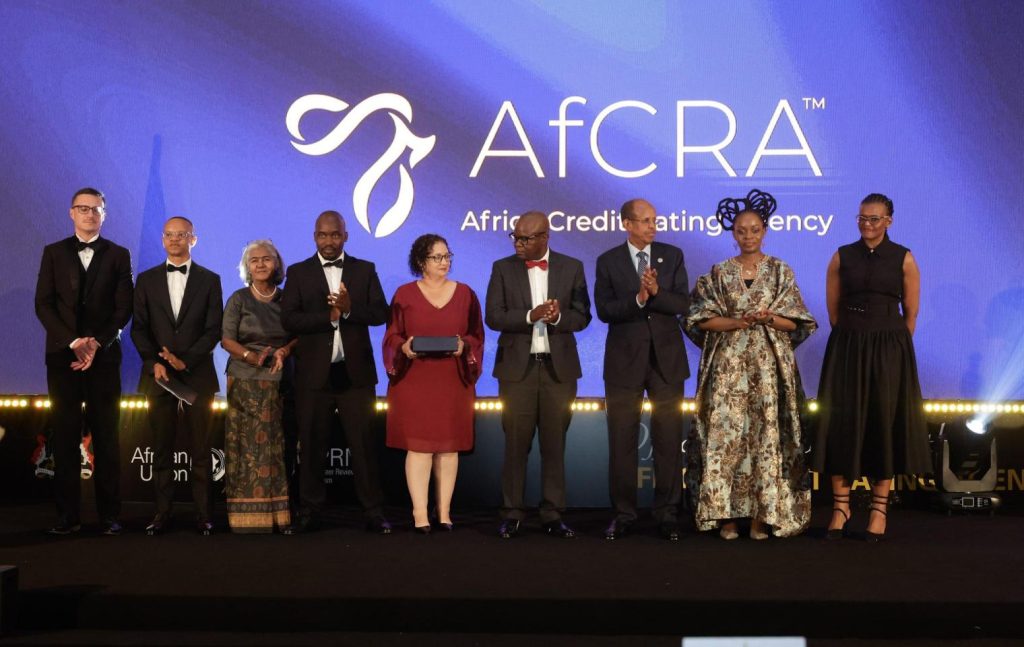
On 7 October 2026, in Port Louis, Mauritius, Africa took an important step towards addressing this unfinished business with the historic launch of the AfCRA. This private sector-driven institution marks a defining milestone in Africa’s unfinished struggle for economic liberation.
Complementing the African Continental Free Trade Area (AfCFTA), AfCRA strengthens the continent’s pursuit of financial sovereignty, economic self-determination and a future increasingly shaped by Africans themselves.
The significance of this development should not be underestimated; it is groundbreaking. For decades, African economies have operated on the periphery with London, Paris, Brussels, Lisbon, Berlin, Rome and Madrid shaping how Africa negotiated the international financial architecture. AfCRA presents a bold step in decolonising sovereign creditworthiness and will redefine access to development finance in an era where aid for Africa has dwindled.
AfCRA represents an opportunity to change the unfair and unequal playing field for accessing credit. The APRM which incubated AfCRA has made it clear that the institution will not reject international financial markets but rather work in a complementary manner by introducing an independent African institution capable of contributing credible, contextually informed and honest assessments of economic risk.
For Africa’s young population, my generation, this is not simply a technical debate about credit ratings. It is fundamentally about jobs, education, healthcare, infrastructure, entrepreneurship and the affordability of our collective future.
The cost of Africa’s risk premium
Africa’s development challenge has never been exclusively about the absence of resources. It has also been about the cost of mobilising and deploying those resources.
At the AfCRA launch, United Nations Economic Commission for Africa Executive Secretary Claver Gatete highlighted estimates suggesting that persistent African risk premiums cost the continent approximately US$75 billion annually in excess interest payments. This is money that Africa could channel into confronting health crises such as Ebola.
ALSO READ: Orange Money Group and Fintech JUMO Partner to Expand Microcredit Services Across Africa
According to OECD and African Union Commission analysis cited by Mauritius’s Minister of Financial Services and Economic Planning, Jyoti Jeetun at the launch, African governments spend, on average, approximately seven times more on debt servicing than on infrastructure.
This imbalance raises a fundamental question: How can Africa build the foundations of a prosperous twenty-first-century economy when servicing yesterday’s debt increasingly competes with investing in tomorrow’s generation?
The continent’s economic fundamentals also tell a more complex story than conventional narratives of fragility and risk suggest. Figures presented at the launch indicated that Africa recorded economic growth of 4.5% in 2025, compared with global growth of 3.4%. Ten of the world’s 22 fastest-growing economies were African. Yet growth potential backed by abundant natural resources and a youthful population does not automatically translate into affordable financing.
The United Nations Development Programme (UNDP) estimates, as cited at the launch, that some African governments face borrowing costs up to four times higher than comparable economies elsewhere.
Therefore, improved rating methodologies could potentially reduce borrowing costs by 50 to 100 basis points, generating estimated savings of up to US$5 billion annually. These figures demonstrate why the debate about credit ratings must move beyond financial markets and into mainstream African development policy.
Credibility must come before favourable ratings
Post-colonial Africa’s development narrative has largely been interpreted through institutions, analytical frameworks and financial structures established beyond its borders. This does not necessarily mean that international credit rating agencies have no legitimate role.
Moody’s, S&P Global Ratings and Fitch provide important assessments relied upon by global investors. However, the three agencies dominate approximately 95% of the global credit rating business, according to figures presented by Mauritius’s Foreign Affairs Minister, Dhananjay Ramful. Only 32 African countries have sovereign ratings from at least one of these agencies.
Such concentration raises an important question about analytical diversity, market competition and the representation of African economic realities. Africa’s economies are neither identical nor static. They contain different institutional histories, reform trajectories, demographic characteristics, development opportunities and vulnerabilities.
Assessments of risk that inadequately capture these distinctions have previously influenced investor perceptions and financing decisions in ways that have negatively affected the cost of borrowing for African nations. AfCRA offers an opportunity to broaden the analytical landscape.

This is not to say that AfCRA is intended to replace established international rating agencies or guarantee favourable assessments for African governments. Its comparative advantage must come from credible analysis, strong institutional independence, reliable data and a deeper understanding of African markets. An independent African rating agency must also have the courage to deliver unfavourable assessments when economic fundamentals justify them.
A Pan-African outlook and financial sovereignty do not mean escaping accountability. The operationalisation of AfCRA must pass the litmus test of providing safeguards against corruption and unwarranted influence by African governments despite the institution being born out of the African Union’s APRM.
ALSO READ: World bank raises Africa’s growth forecast but warns jobs are lagging
Now, why does this matter for Africa’s youth? Africa is home to the world’s youngest population. The African Union’s Agenda 2063 envisages a prosperous, integrated and globally influential continent, but achieving this ambition requires financing on an unprecedented scale.
Why this matters for young Africans
Young Africans are not merely future beneficiaries of economic transformation. They are already entrepreneurs, innovators, workers, taxpayers and increasingly influential participants in governance.
For a young entrepreneur in Accra, a technology innovator in Nairobi, an agricultural producer in Zimbabwe or a manufacturing start-up in Johannesburg, the cost of capital can determine whether an enterprise expands, employs additional workers or closes its doors.
Sovereign borrowing costs can influence wider financing conditions, including those faced by businesses. If AfCRA succeeds in improving the quality of risk assessments and strengthening investor confidence its benefits will certainly extend beyond national treasuries.
The institution could eventually contribute to the development of domestic capital markets through ratings of companies and local municipalities. This matters particularly for Africa’s emerging businesses, which require patient and affordable capital to participate meaningfully in industrialisation, regional value chains and the African Continental Free Trade Area.
My peers, Africa’s youth, must be reminded that our generational mandate of striving for African economic transformation extends beyond demanding employment opportunities. It includes advocating for the institutions that make productive investment possible such as AfCRA.
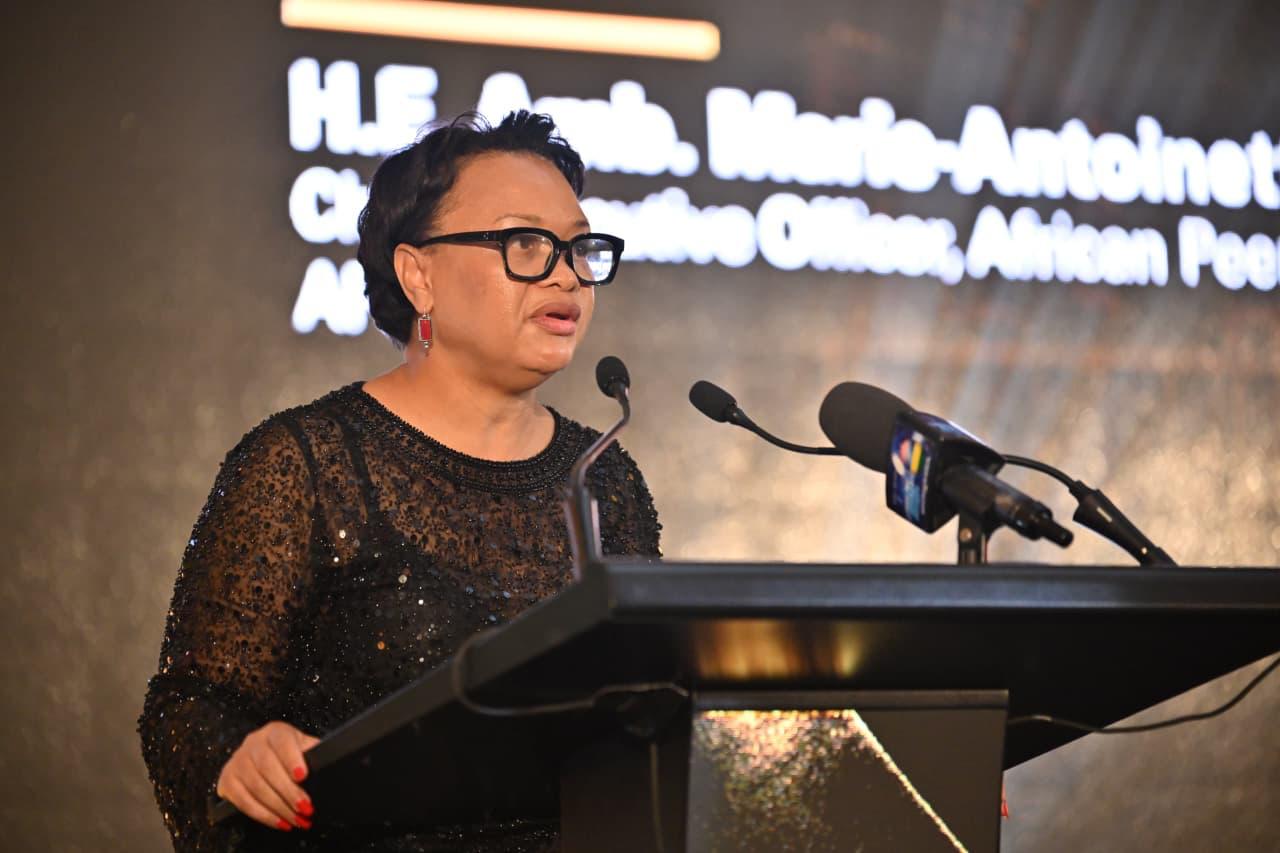
The African Peer Review Mechanism, my employer, deserves particular recognition for its sustained work in advancing the establishment and operationalisation of the agency, including the leadership of its Chief Executive Officer, Ambassador Marie-Antoinette Rose-Quatre, and the wider institutional team. The agency’s launch demonstrates that African institutions can move from identifying structural problems to developing practical continental responses.
The launch is but a good start. African governments must continue improving fiscal discipline, debt transparency, statistical capacity, governance and the investment environment. Equally, AfCRA must resist political interference and avoid becoming an institution whose assessments are shaped by the governments.
Lennon Monyae is Civil Society Liaison Officer at the African Union’s African Peer Review Mechanism (APRM). The opinions expressed are his and don’t represent those of the publication or APRM