GENEVA, Switzerland: Nearly 4 million people have been forced from their homes across Burkina Faso, Mali and Niger, the United Nations refugee agency warned on Friday, as attacks on civilians, climate shocks and a widening funding gap deepen the Central Sahel’s displacement crisis.
UNHCR said the total includes more than 818,000 refugees and asylum seekers. Displacement is now roughly double the level recorded in October 2020, when the region had more than 1.7 million internally displaced people and 365,000 refugees.
Yet the agency’s Sahel response had received only 27% of the US$329.6 million it required as of September 2026, forcing it to choose which essential services and activities it could maintain.
The agency called for urgent investment in protection, basic services and livelihoods for displaced families and the communities hosting them, alongside political efforts to address the insecurity driving people from their homes.
Refugee arrivals strain communities in Mali
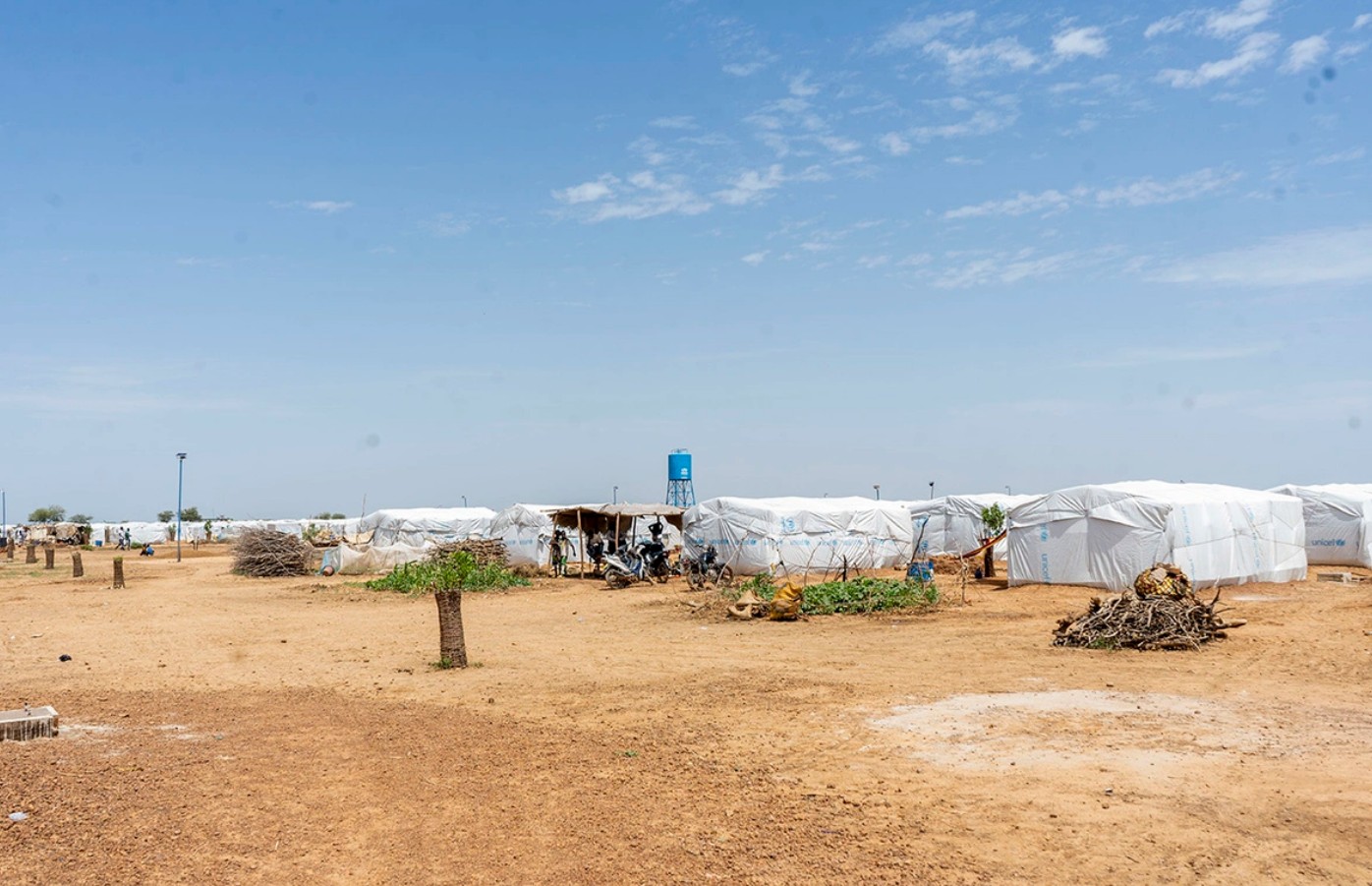
In Mali, most refugees come from neighbouring Burkina Faso. Some 86,000 Burkinabè refugees had sought safety in Koro, in the Bandiagara region, by July 2026, following successive waves of displacement since 2025.
Among them were more than 14,000 children and 6,000 women identified as being at particular risk, according to UNHCR.
The refugee population is approaching the size of the local host community. That is placing additional pressure on scarce land and water, overstretched health services and limited opportunities to earn a living.
ALSO READ: Aid cuts leave 117,000 Sudanese refugees facing worsening conditions in Chad
Repeated droughts, erratic rainfall and flooding are adding to those pressures, disrupting agriculture, damaging homes and infrastructure, and making water harder to access. Families dependent on farming and livestock are finding it increasingly difficult to support themselves.
Displacement spreads to coastal West Africa
The crisis is reaching beyond the three Central Sahel countries. UNHCR said almost 500,000 Burkinabè refugees and asylum seekers had sought safety in neighbouring countries in 2026, compared with more than 300,000 at the end of 2025.
Many have fled to Benin, Côte d’Ivoire, Ghana and Togo. More than 334,000 Malians are also refugees abroad, while over 106,000 Nigeriens are recorded as refugees and asylum seekers in neighbouring countries.
For some families, crossing a border does not end their search for safety. When protection and opportunities remain out of reach, refugees may move further afield, often alongside migrants, along dangerous routes towards North Africa and Europe.
UNHCR is working with governments and partners to establish multi-purpose service hubs along key routes. These provide information, counselling, referrals and essential assistance to refugees and migrants.
Farming projects offer a route to self-reliance
Despite the scale of the crisis, local initiatives are helping some displaced families rebuild their livelihoods.
In Koro, agricultural cooperatives involving Burkinabè refugees and host-community members expanded cultivated land from 21 hectares in 2025 to 45 hectares in 2026. UNHCR said the projects had improved food production and household incomes.
ALSO READ: Amnesty demands AU action as fighting returns to Tigray
Similar support in Kaya, Burkina Faso, is helping internally displaced people and host communities produce more food, reduce post-harvest losses and generate income.
The agency said these efforts remain small compared with the scale of displacement, but demonstrate what can be achieved when families have the means to support themselves while longer-term solutions are pursued.
Expanding them will require sustained investment in national systems and livelihood opportunities, including support for host communities. The approach forms part of UNHCR’s “50 by 35” vision to advance self-reliance and lasting solutions for refugees in prolonged displacement by 2035.
Funding shortages threaten essential services
The funding gap is affecting registration and documentation, shelter, access to basic services and livelihood support just as needs continue to rise.
UNHCR warned that the consequences extend beyond immediate humanitarian needs. Without assistance and opportunities to earn an income, displaced people struggle to rebuild their lives, while host communities have fewer resources to support growing populations.
The agency urged governments, development partners, international financial institutions and the private sector to invest in protection, education, other essential services and livelihoods.
It said sustained political engagement must accompany that support to address the insecurity behind the displacement.