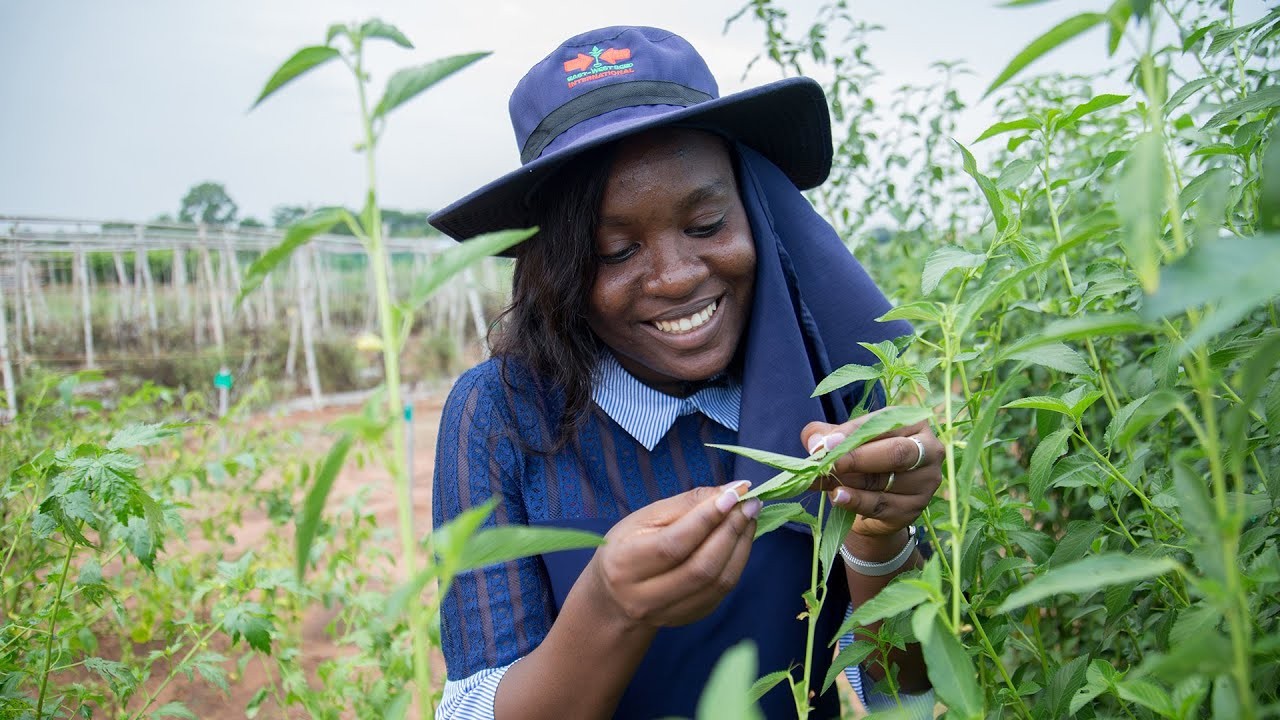
COTONOU: In 2017, Pamela Afokpe began her research in a rented field, watering plants by hand. She was working on crops familiar to generations of West African families but largely overlooked by the commercial seed industry: indigenous leafy vegetables.
On Tuesday, the plant scientist is due to receive the 2026 Norman Borlaug Award for Field Research and Application in Des Moines, Iowa, recognising her work to turn those vegetables into more productive, commercially viable crops for smallholder farmers.
For Afokpe, now East-West Seed’s research and development operations manager in West Africa, the recognition affirms the value of applying modern science to crops deeply rooted in African food traditions.
“African indigenous vegetables belong at the center of the global food security map,” she says in her acceptance remarks. “By bringing rigorous science to the crops our grandmothers grew, we are proving that smallholder farmers and market women can drive viable, commercial value chains when given access to quality seed genetics.”
Finding potential in overlooked crops
Gboma (Solanum macrocarpon), amaranth and jute mallow (Corchorus olitorius) are staples in kitchens and markets across West Africa.
Gboma, an African eggplant valued for its leaves, is widely sold in Benin and Togo. Yet it and other indigenous vegetables have received comparatively little investment from research institutions and seed companies.
The prevailing assumption was that farmers would continue planting seed saved from their own harvests, leaving little demand for commercial varieties.
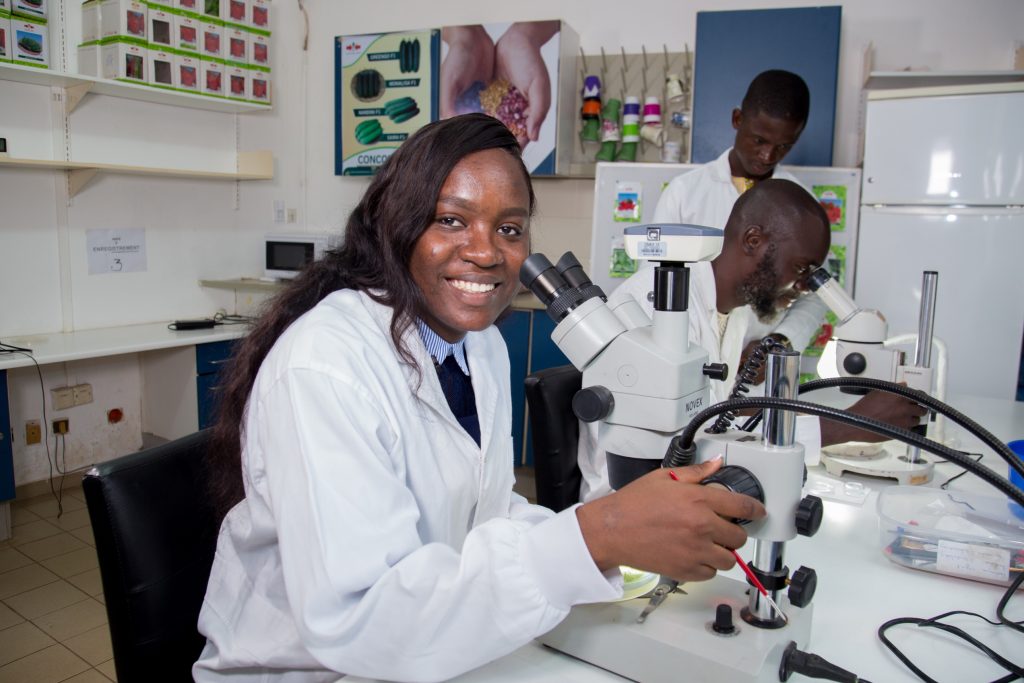
Afokpe questioned that reasoning. Through her work at East-West Seed’s research hub on the campus of the International Institute of Tropical Agriculture (IITA) in Benin, she found that farmers often saved seed because better alternatives were unavailable.
She built a regional research platform from the ground up, assembling more than 2,000 crop accessions, or samples of plant varieties, from across West Africa.
Alongside that work, she secured a competitive sandwich PhD scholarship with Wageningen University & Research in the Netherlands, dividing her research between the university and Benin’s fields.
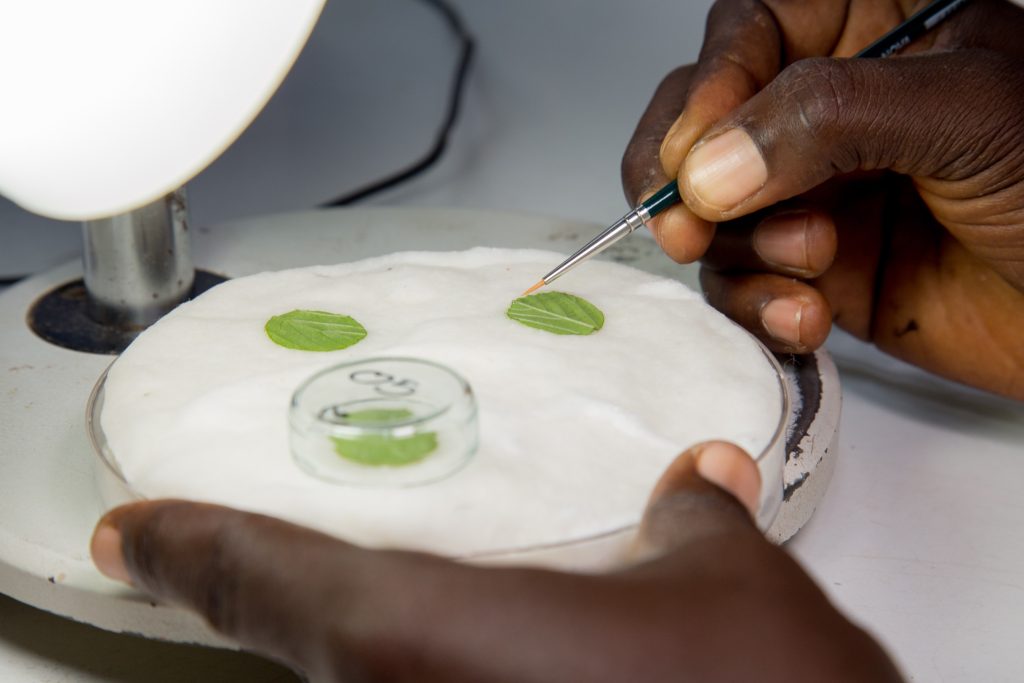
Her peer-reviewed studies of genetic diversity and pest resistance in jute mallow connected advanced plant science with the practical task of developing better varieties.
Sika finds a market
One of Afokpe’s most significant breakthroughs is Sika, a gboma variety with intermediate tolerance to bacterial wilt and a longer shelf life.
The disease, caused by Ralstonia bacteria, can devastate production, with losses historically reaching an entire crop.
ALSO READ: In Mékro, Sustainable Farming Is Sowing Hope and Transforming Lives
But developing a better variety was only part of the challenge. Farmers needed effective ways to grow it, while traders needed evidence that customers and their businesses would benefit.
Afokpe promoted careful nursery management as an alternative to scattering seed directly across fields, helping reduce farmers’ input costs by 40%.
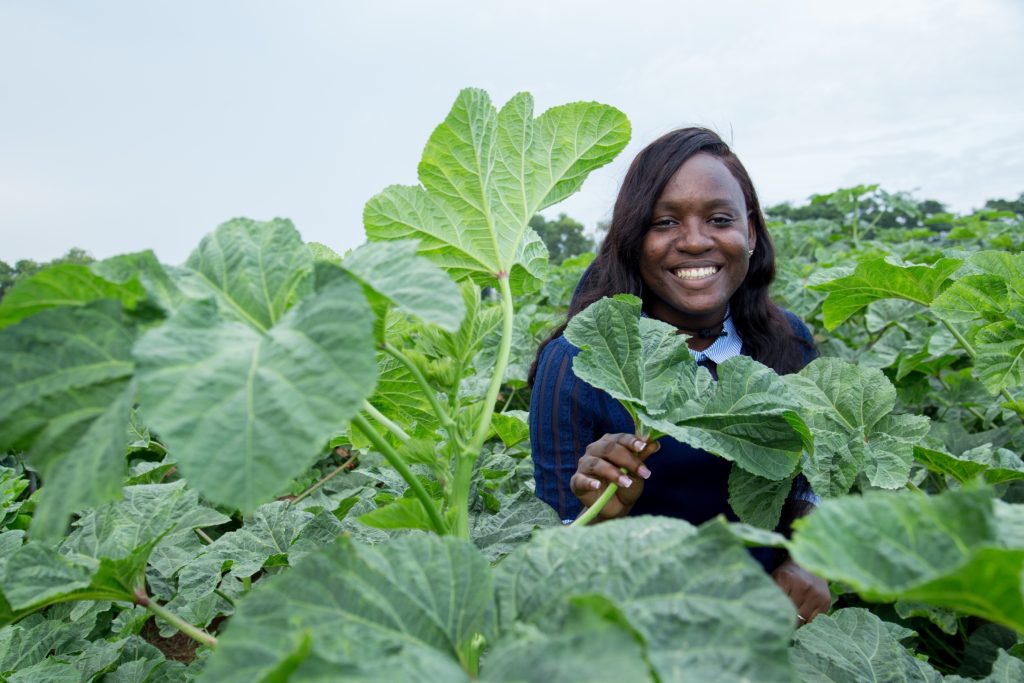
She also worked directly with women vegetable traders, holding open-air demonstrations to compare how well the produce kept after harvest.
Sika’s longer shelf life meant less spoilage and more opportunities to sell. Demand grew to the point that some traders began reserving harvests before farmers had planted their crops.
In its first three years, Sika was credited with generating the equivalent of more than 3,000 tonnes of produce and reaching tens of thousands of smallholder farmers and women retailers across West and Central Africa.
The work earned Afokpe East-West Seed’s global Platinum Helix R&D Award in 2025.
Balancing research, fieldwork and motherhood
Afokpe’s progress has required persistence beyond the research itself. She balanced demanding fieldwork and doctoral studies with raising a family, while confronting assumptions about women’s place in agricultural science.
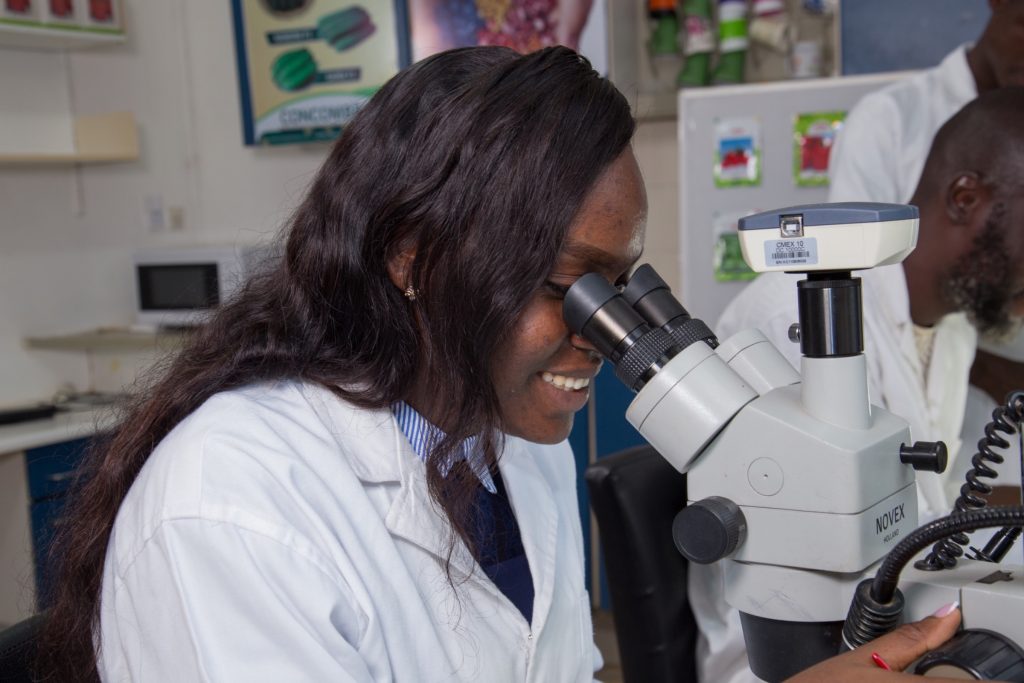
“There is a strong belief that women cannot do this kind of job,” she told East-West Seed in a profile interview. “It is always a continuous fight to show the world that you actually belong here.”
Motherhood, she said, has also been a source of motivation.
“Being a mother has really also helped me to keep going.”
The clearest measure of success came when she visited farmers growing the varieties she had helped develop.
“I started seeing the impact of my work when I visited farmers who actually planted the varieties we had bred,” she said. “I really felt that it was not only about commercializing varieties.”
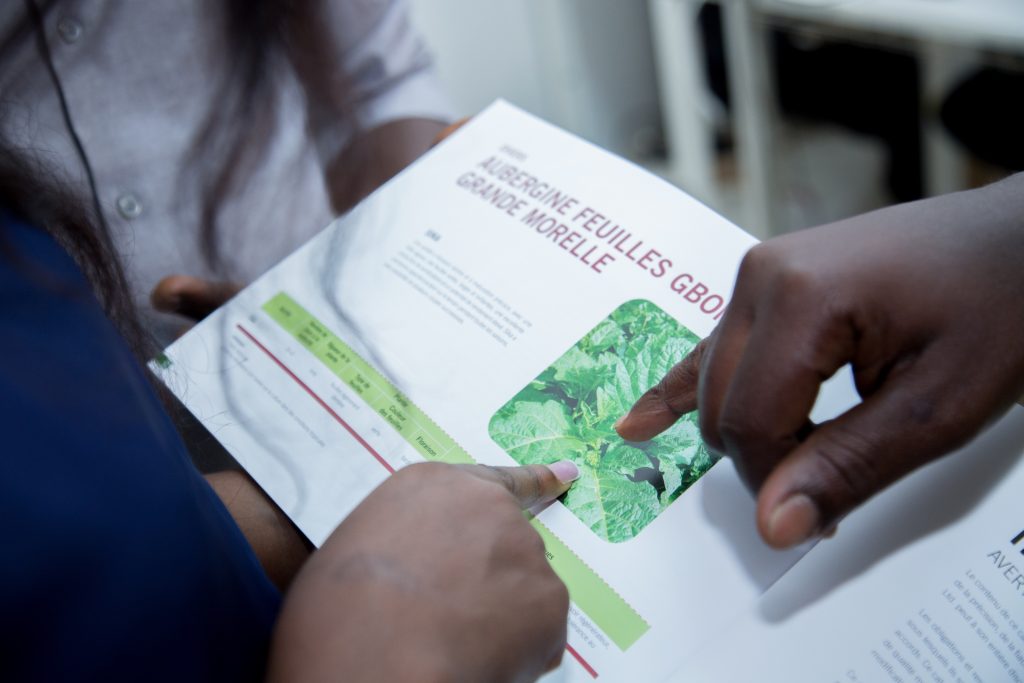
A One Planet Fellow recognised for her leadership on climate challenges in agriculture, Afokpe has also become an advocate for women working across agricultural value chains.
Professor Eric Schranz, chair of the Biosystematics Group at Wageningen University & Research, described her as “exactly the type of scientist Dr. Borlaug championed: combining rigorous genomic science with tangible, last-mile impact.”
ALSO READ: ‘Starvation is around the corner’: Sudan’s farmers race to save a harvest that could decide 2027
“Her work has established a fully functioning research platform that is actively transforming indigenous vegetable systems across West Africa,” he said.
Recognition with a personal connection
The award ceremony holds particular meaning for Afokpe. She will receive the honour on the same stage where her mentor, the late Simon N. Groot, founder of East-West Seed, received the World Food Prize in 2019.
Groot’s approach centred on making high-quality seed available in small, affordable packets that smallholder farmers could buy.
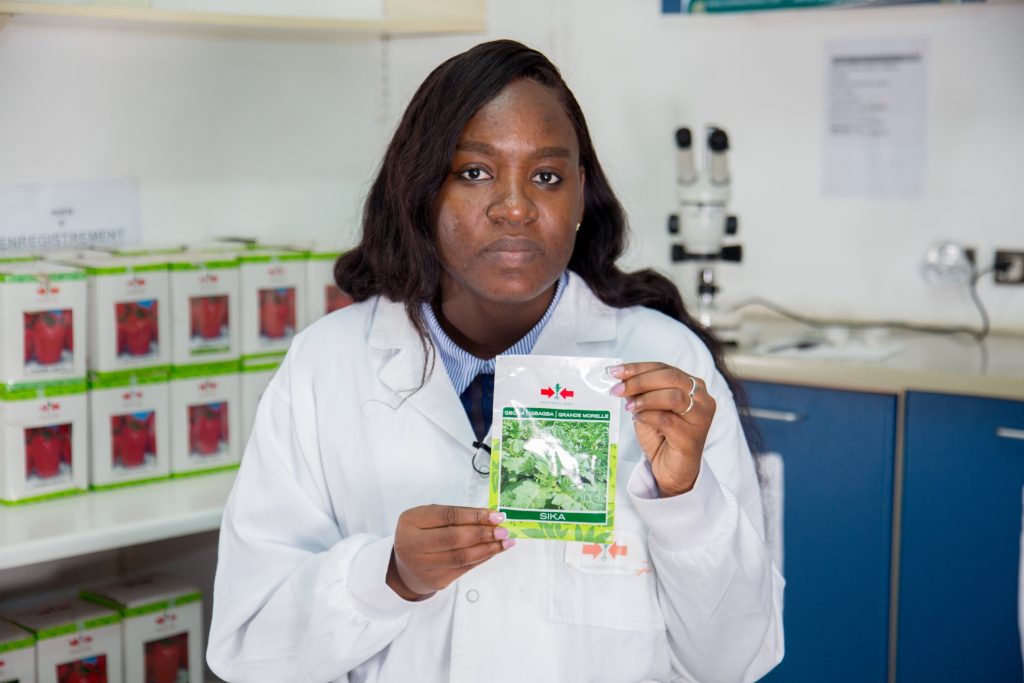
“Simon really inspired me from the very beginning,” Afokpe said.
Established in 2012 and endowed by the Rockefeller Foundation, the Borlaug Field Award carries a US$10,000 prize. It recognises scientists under 40 whose work delivers measurable benefits in the field.
The award is named after Norman Borlaug, the Nobel Peace Prize-winning scientist whose high-yielding wheat varieties helped drive the Green Revolution.
This year’s presentation takes place during the annual Borlaug Dialogue in Des Moines, as the World Food Prize Foundation marks the prize’s 40th anniversary.
Traditional crops offer opportunities for the future
Afokpe’s research forms part of a wider effort to give traditional crops a stronger role in Africa’s food systems.
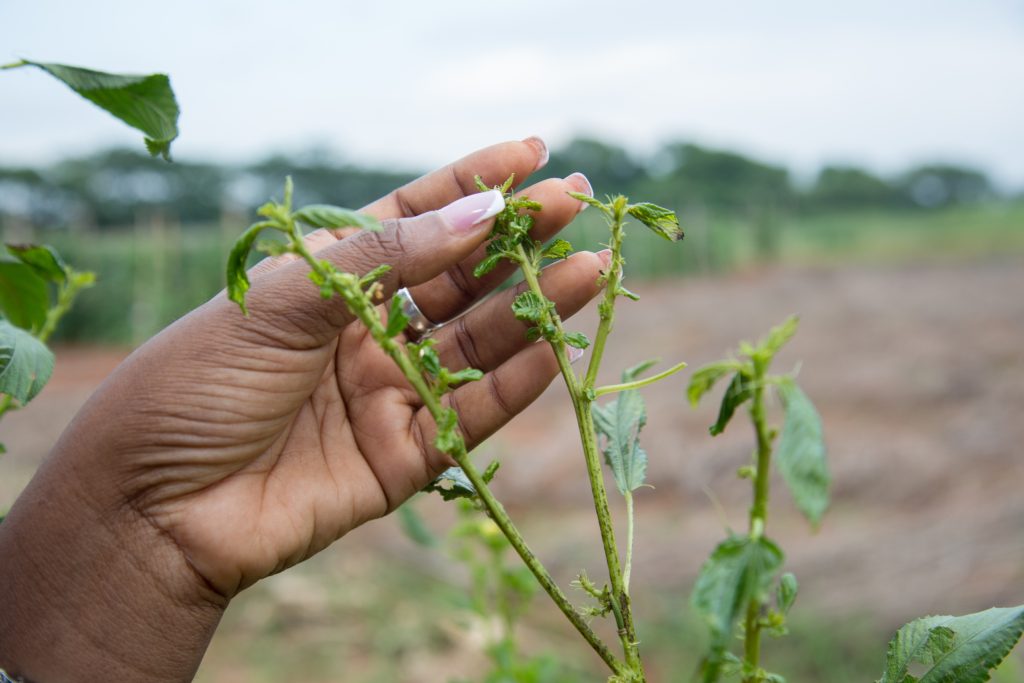
The Vision for Adapted Crops and Soils (VACS), a partnership involving the United States government, the UN Food and Agriculture Organization and the African Union, promotes these “opportunity crops” for their potential contribution to nutrition, soil health and climate resilience.
Many are nutrient-rich and adapted to local growing conditions, yet have lacked the sustained investment in breeding and seed systems directed towards maize, rice and wheat.
Afokpe’s work demonstrates how that gap can be addressed by connecting research with the needs of growers and traders.
As East-West Seed expands its presence in West Africa, her next challenge is to extend the reach of indigenous vegetable research. Her advice to younger scientists is straightforward: “Always give your very best in everything you do.”
From a rented field to farmers’ plots and market stalls, her work has built a case for crops that were already valued at the dinner table to receive greater attention in agricultural science.