ISIRO: When Dr Prince Afandia Alafu returned to the Ebola treatment centre where he had fought for his life two months earlier, the changes were immediately apparent.
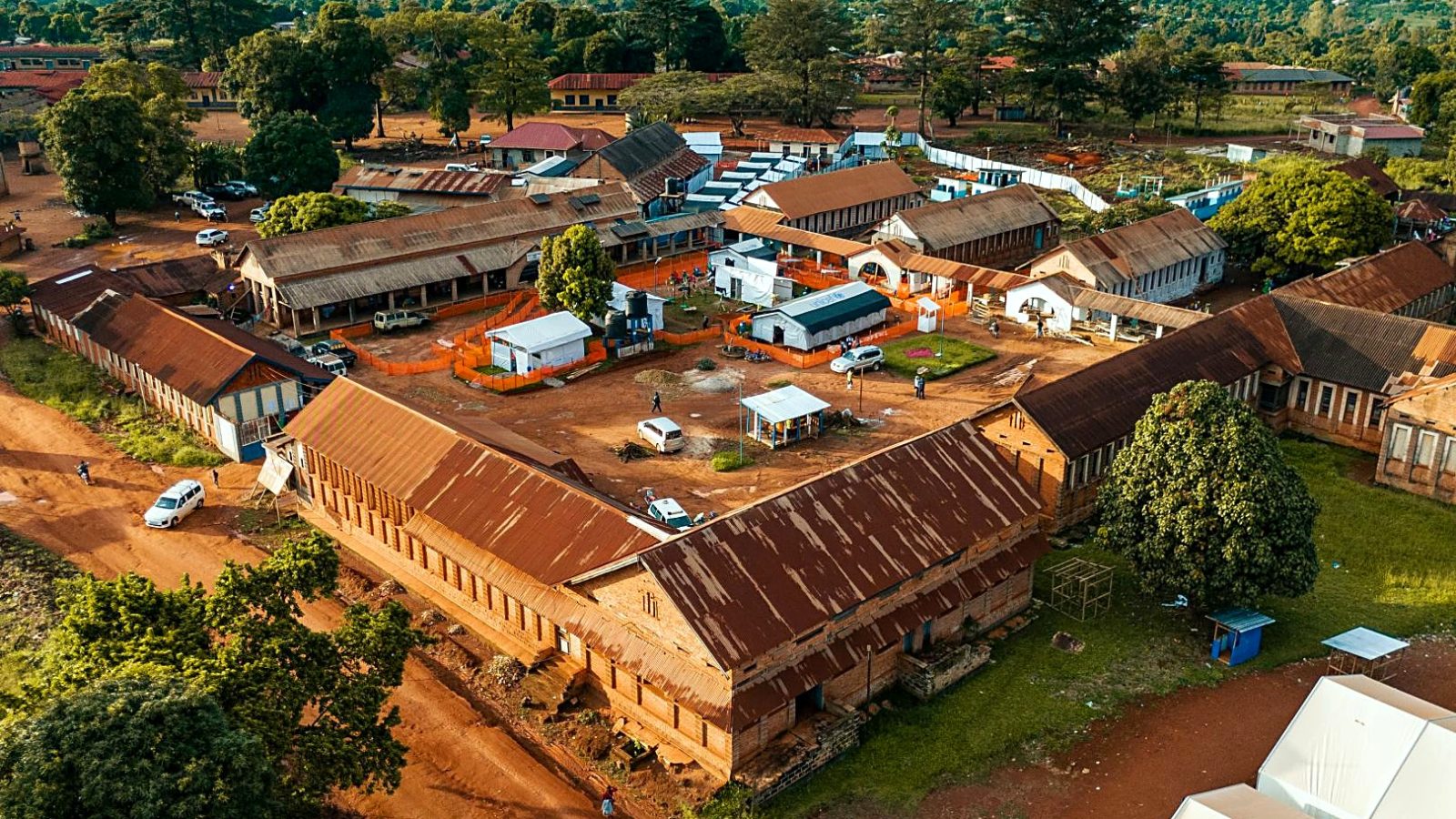
The cramped facility he remembered now had more beds, running water, electricity and regularly maintained rooms. For the 33-year-old general practitioner, who was admitted on 24 August, it was an encouraging sign of progress in a province struggling to contain Ebola while keeping other essential healthcare services running.
“We were separated only by ropes,” he recalled of the conditions during his admission.
“There has really been a big improvement. Now there is electricity and water. The rooms are maintained regularly, and the conditions of care have changed,” he said in an account released by the World Health Organization’s Regional Office for Africa.
His experience reflects the challenge facing Isiro General Reference Hospital: caring for people with Ebola while rebuilding the confidence of patients who stayed away because they feared infection.
From treating patients to fighting for his life
Before his diagnosis, Alafu developed persistent fever and headaches, which he initially suspected were caused by malaria or typhoid.
Testing confirmed Bundibugyo virus disease, a form of Ebola responsible for the current outbreak.
Accustomed to caring for others, he became a patient in a treatment centre still operating under difficult conditions. He recovered after several days of care.
“With the progress made in the response and the improvement of care conditions, I have hope that more patients will overcome Ebola, reunite with their families, and resume their normal lives,” he said.
Fear drove patients away
Before the outbreak reached Isiro, the hospital had 130 beds and provided services including surgery, paediatrics, internal medicine, and obstetrics and gynaecology. More than 90% of its beds were occupied.
The arrival of Ebola forced a rapid reorganisation.
“We had to move the pediatric ward. The pediatric pavilion became the first nucleus of the ETC within the hospital. With the increase in cases, we had to mobilize a second pavilion,” said hospital director Dr David Kamalu.
As concern about infection spread, patients seeking treatment for other conditions began staying away. Kamalu said bed occupancy fell to 30% in August.
The decline threatened access to care for pregnant women, children and people with illnesses unrelated to Ebola.
Safer care helps restore confidence
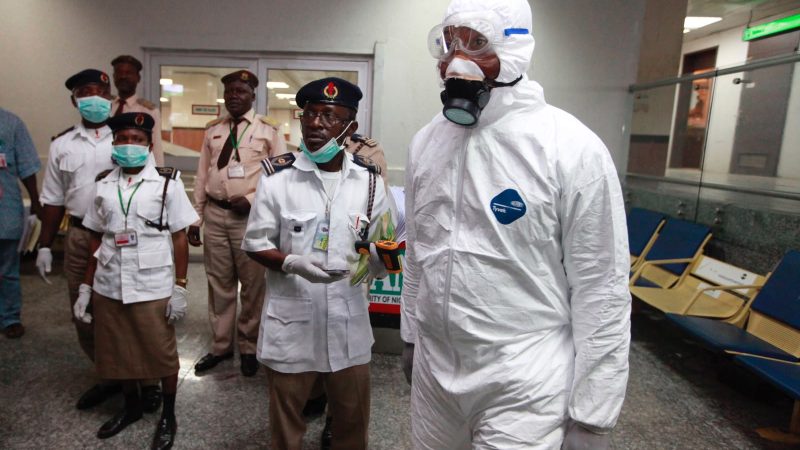
Under the leadership of the DRC’s Ministry of Health, with support from WHO and partners, the Ebola treatment centre was expanded from 40 to 50 beds in collaboration with Médecins Sans Frontières.
The improvements also aimed to organise patient movement more safely and reduce opportunities for infection.
“This extension allows us to strengthen reception capacity and improve care for Ebola patients. It helps secure care circuits and reduce transmission risks,” said Dr Catherine Smallwood, WHO’s incident manager.
“By having an adapted treatment centre, we also help the hospital gradually resume its usual activities.”
Kamalu said patients were beginning to return for routine treatment.
“Today, we have about 55 patients hospitalized. Now that the centre is secure and circuits are better organized, patients are starting to come back for their usual care,” he said.
WHO has also supplied more than a tonne of medicines, medical equipment and other materials, including oxygen therapy supplies, protective equipment, beds and mattresses, to support essential services.
Haut-Uélé faces a heavy burden
By 19 October, seven of Haut-Uélé’s 13 health zones had been affected. The province had recorded 421 confirmed cases and 180 deaths, with Isiro among the hardest-hit health zones, according to WHO.
ALSO READ: Kenya on Ebola alert after first imported case ends in death
National figures show the scale of the wider emergency. The European Centre for Disease Prevention and Control’s 22 October update reported 9,704 confirmed cases and 4,687 associated deaths in the DRC, using data through 20 October.
Eight provinces had been affected. Kenya had reported nine confirmed cases, including one death, while Nigeria had confirmed a case in a woman with a travel history to Uganda.
The DRC figures represent a reported case-fatality ratio of about 48%. That measure describes recorded deaths relative to confirmed cases; it does not determine an individual patient’s chances of survival.
Vaccine protection is still being studied
There is currently no approved vaccine or specific therapeutic for Bundibugyo virus disease, according to the NICD. This makes early identification, appropriate clinical care and infection prevention particularly important.
ERVEBO, developed to protect against Ebola disease caused by the Zaire virus, is being investigated for possible protection against Bundibugyo.
WHO’s emergency guidance addresses its potential use during Bundibugyo outbreaks, particularly within research settings. Its effectiveness against this virus in humans has not yet been established.
Vaccination research therefore forms part of a broader response that includes treatment, surveillance, infection control and community engagement.
Regional vigilance remains essential
The NICD says South African health authorities continue to monitor the outbreak with the national Department of Health, WHO, Africa CDC and regional partners.
WHO’s published assessment places the risk as very high in the DRC, high in countries sharing its land borders, and low for the rest of the African region and globally.
In Isiro, the immediate task is both clinical and practical: improve Ebola care without allowing fear to cut communities off from other treatment.
For Alafu, the centre’s transformation offers hope that more patients can recover. For the hospital, the gradual return of people seeking routine care is a sign that safer conditions are beginning to restore confidence.